
Glawackus is a figure of Connecticut folklore.
Where it is told
Field Guide
The Glawackus
A Connecticut beast named by a newspaper in Glastonbury in 1939 returned in an Essex joke in 1966.
How to know it
- Size
- No measure is given, but the tracks were large.
- Build
- Accounts differed, with the animal described as a cat in one telling and something doglike in another.
- Colour
- None is given for the beast; the dog blamed in one account was thin and brown.
- Sound
- A scream from the woods.
- Tracks
- Large tracks in snow.
- Where
- Glastonbury in Hartford County, and near Essex in Middlesex County.
- When
- The winter of 1939, then September 1966.
- Habits
- Pets and farm animals disappeared or turned up injured during the Glastonbury scare.
- Mistaken for
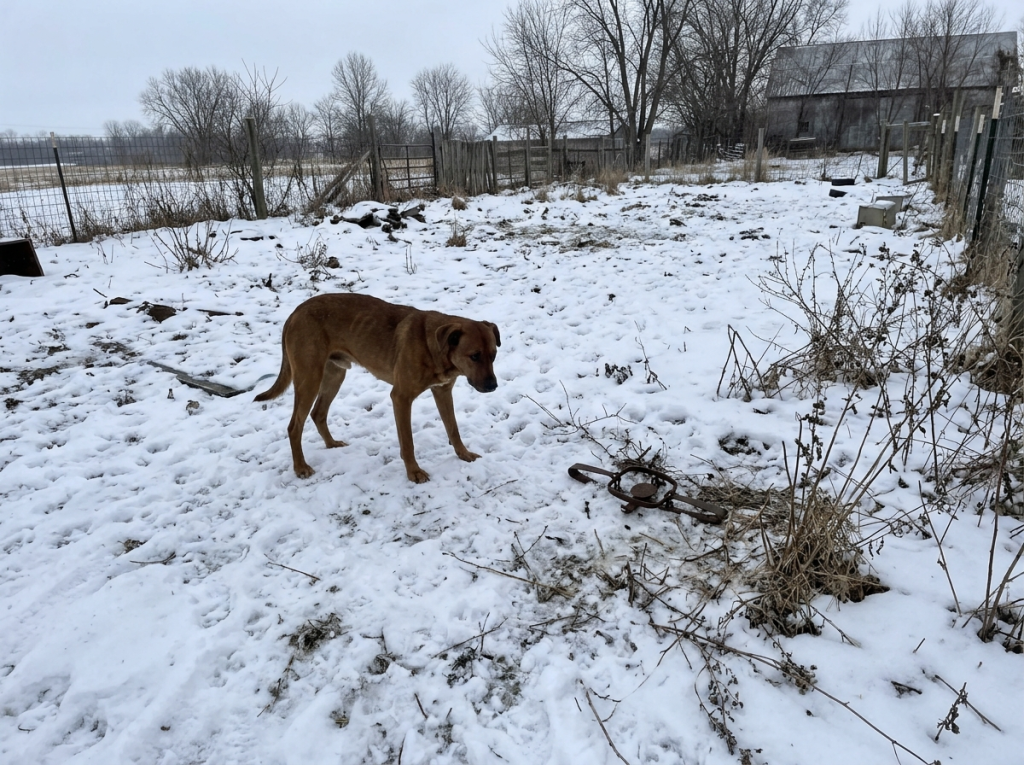
- One account blamed a thin brown dog caught in a trap.
- Name
- Glawackus, or Glowackus as the Deep River paper spelled it.
1 Snow behind the barn, Glastonbury
When I picture the winter of 1939 in Glastonbury, I picture a boy looking at tracks behind his family’s barn. He has not seen the thing that made them. He stands in the cold beside his father, who studies the prints without speaking.
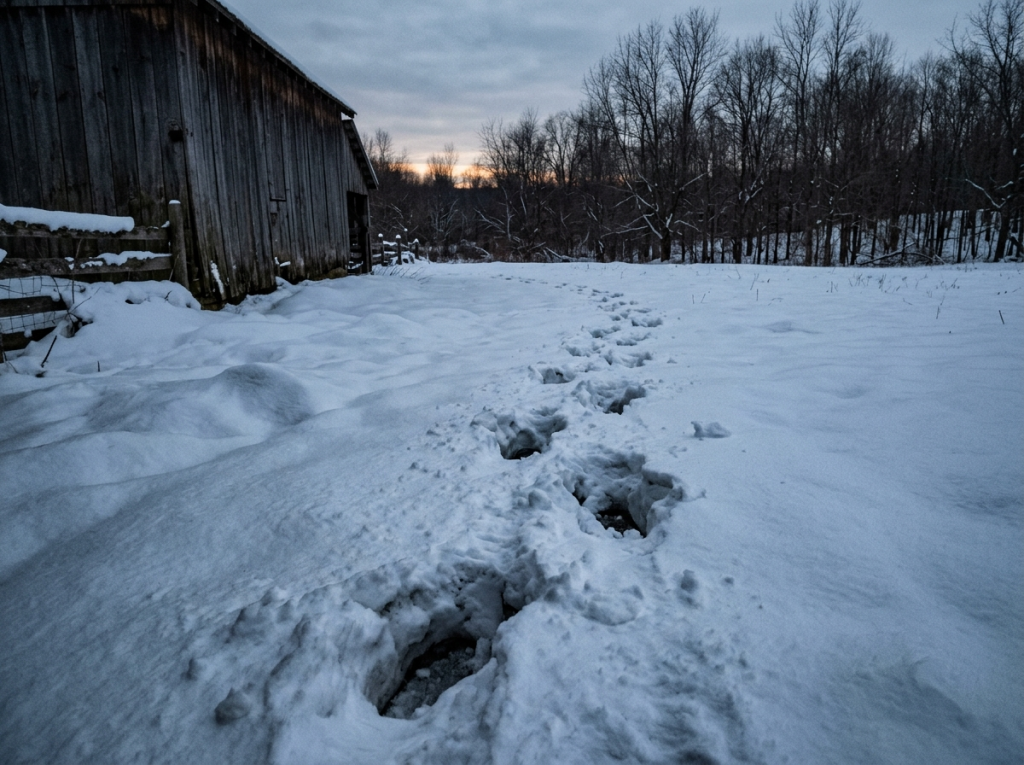
Around town, pets and farm animals have been disappearing or turning up injured. People have found large tracks in the snow and heard a scream from the woods. The boy has heard the talk, and now he is glad to follow his father back inside.
2 What they call it
Those who glimpsed an animal disagreed about what they had seen. In one telling it was a cat; in the next it was something doglike. The Hartford Courant gave the thing a name that stuck: the Glawackus.
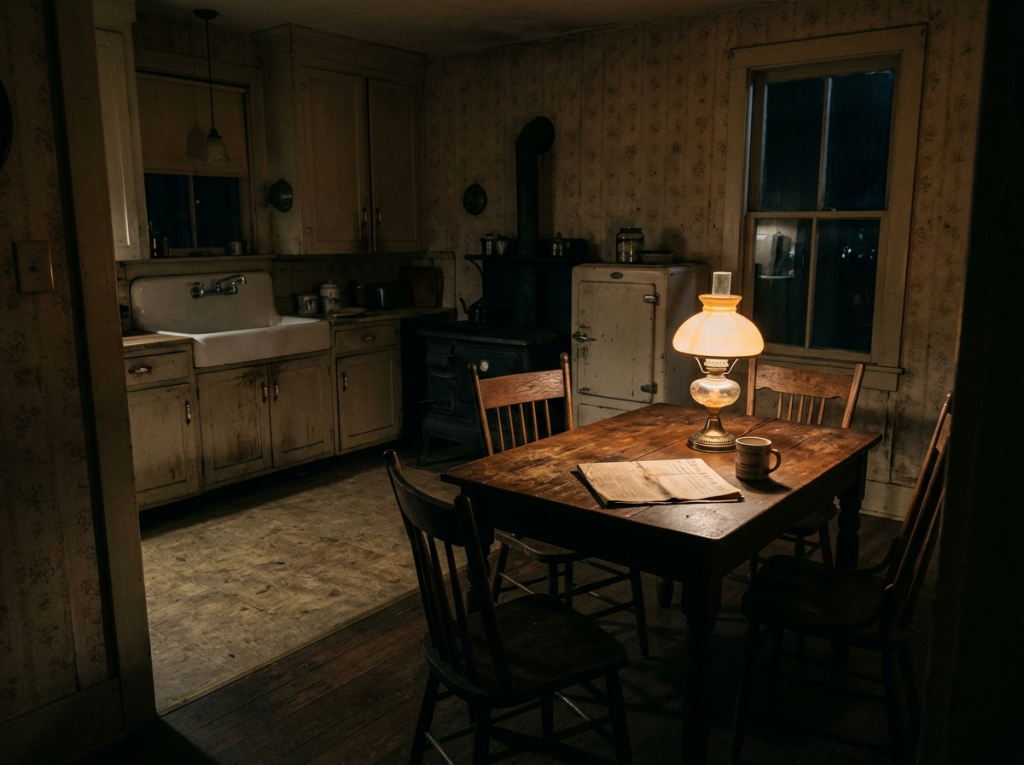
Hunters went out after it, and strangers came to Glastonbury hoping for a look. I picture the boy at the kitchen table, studying the name in the paper while the lamp burns beside him.
3 One account’s answer
One account blamed a thin brown dog caught in a trap. By spring the commotion had ebbed, but the name kept going.
4 Essex, September 1966
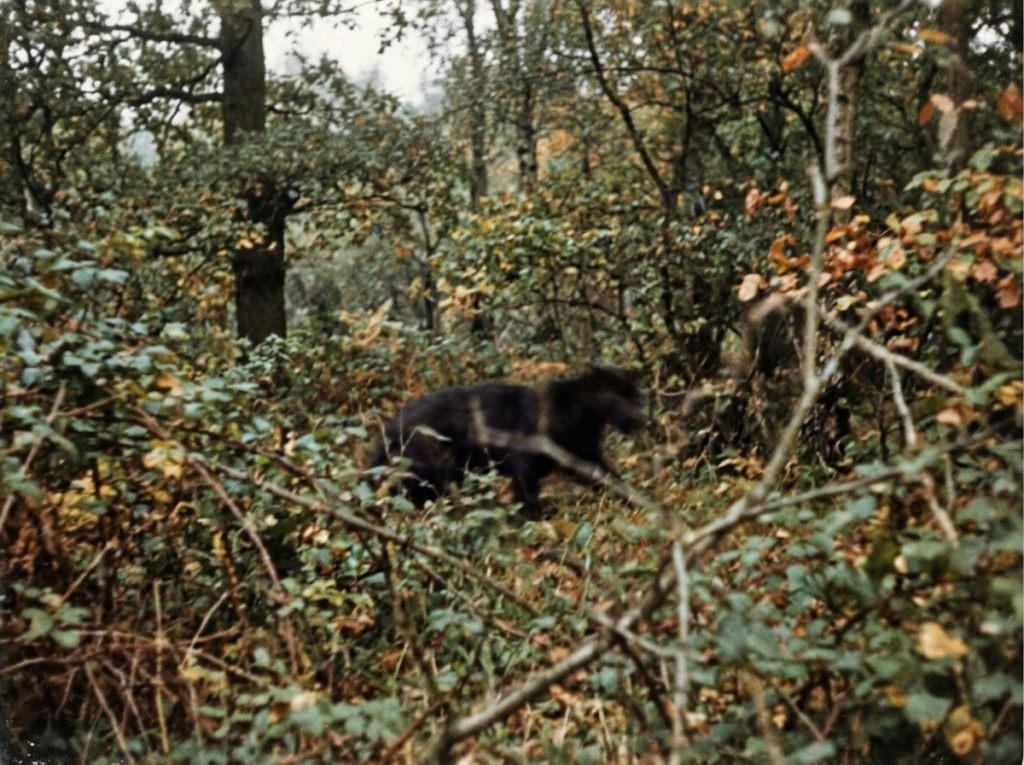
In September 1966 a weekly paper in Deep River printed a blurry photograph of a beast said to be prowling near Essex, in Middlesex County. The paper borrowed the name from Glastonbury, though it spelled it Glowackus. Even the town’s first selectman appeared among the witnesses.
5 Who was behind it
The police traced the new monster to Alfred Knapp, who told ghost stories at a local camp. He had enlisted the first selectman in the joke.
Sources
Field Guide is drawn from the legends as they are recorded. Its first-hand account is imagined. Its pictures are imagined scenes.