
Talbot County Werewolf is a figure of Georgia folklore.
Where it is told
Field Guide
The Girl Who Came Home From School
In Talbot County, Georgia, a story begins with a daughter returning from school abroad and something said to have come back with her.
How to know it
- Name
- The Talbot County Werewolf, a tale tied to Emily Burt.
- Where
- Talbot County, Georgia, and its countryside.
- When
- At night.
- Habits
- Ranges over the countryside.
- Shape
- Another shape than the one her family knew.
- Arrival
- Said to have come back with Emily after she attended school abroad.
- Ending
- Differs from teller to teller, and some look for it in the words on her gravestone.
1 A Porch in Talbot County
My grandmother told me the story on her porch in Talbot County, after supper, while she snapped beans into a pan on her knee. She never made it frightening. She told it like a story about a family whose name she knew.
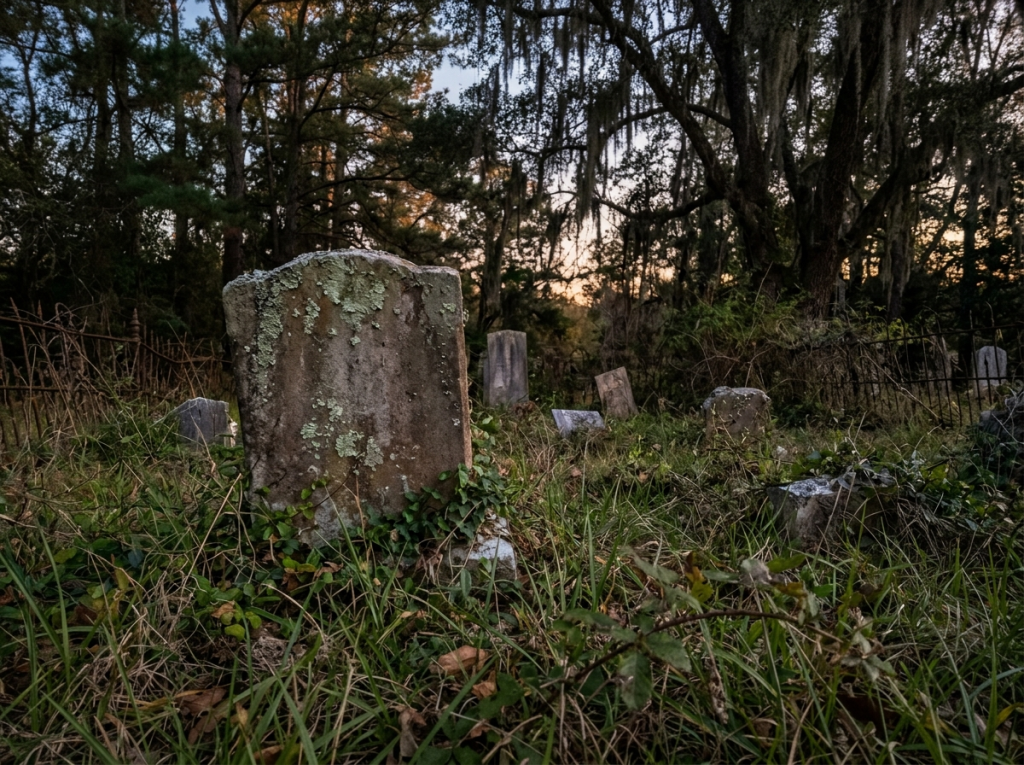
“Emily Burt came home from school abroad,” she said, dropping a handful of beans into the pan. “People said something came back with her.”
I asked her what it was, but she only shook her head.
2 What They Call It
My grandmother called the story the Talbot County Werewolf. I knew the word werewolf, and I waited for her to describe one. Instead, she picked up another bean and broke off its end.
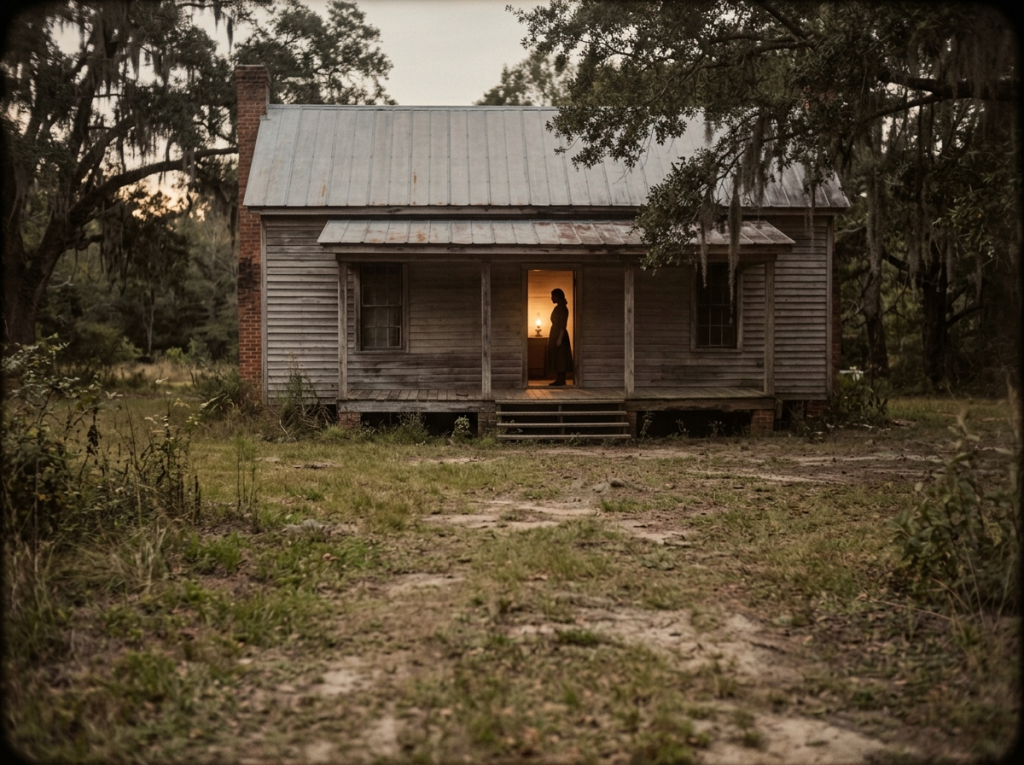
She told me that the family knew Emily as the daughter who had gone away to school. What people said about her afterward was another matter.
3 Another Shape
“At night, they said she took another shape,” my grandmother told me. “The person her family knew would range over the countryside.”
I asked what shape she took. My grandmother stopped snapping beans.
“No one told me that part,” she said, “and I’m not going to make it up for you.”
4 The Story Travels
I asked my grandmother who had told her the story. She said she had heard it from people in the county, though they did not all tell it the same way. She tipped the snapped beans into the pan and set it beside her chair.
I had wanted her to settle the parts she did not know. Instead, she left them open for the next person who heard the tale.
5 What She Had Heard
The porch was getting dark when I asked my grandmother whether the people who told her the story agreed on what happened to Emily.
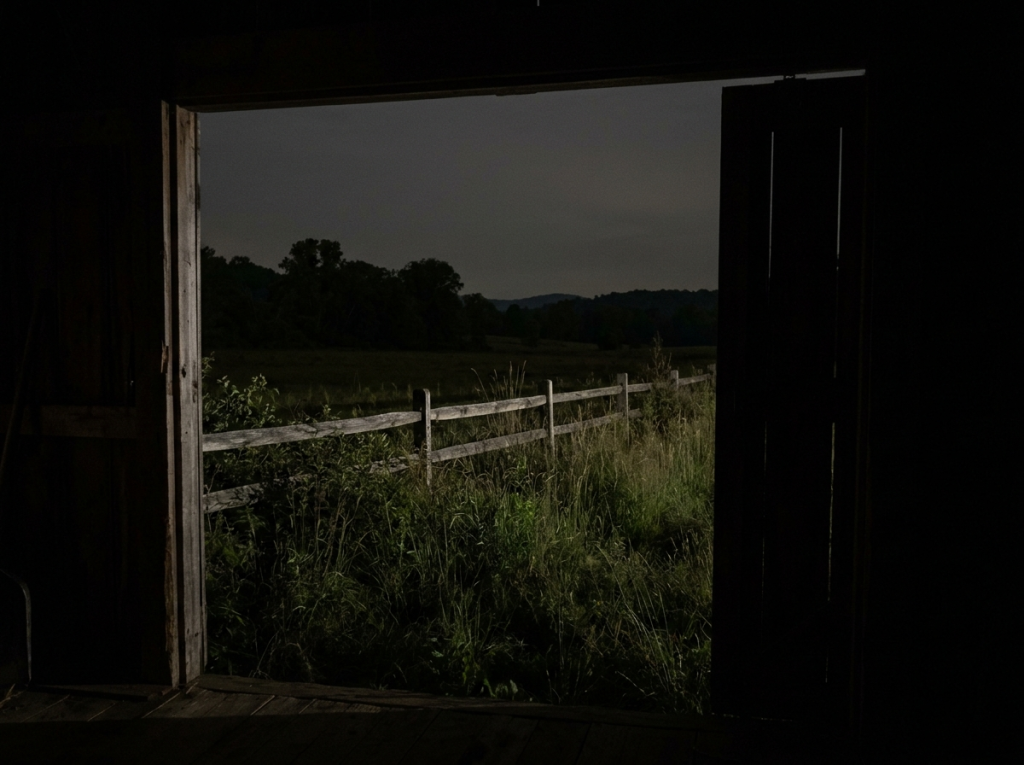
“They had different endings,” she said. “Some looked for an answer in the words on her gravestone.”
She drew the pan back onto her knee and began snapping the last of the beans. I asked her if the stone could tell us which ending was right. She said she did not know.
6 At the Grave
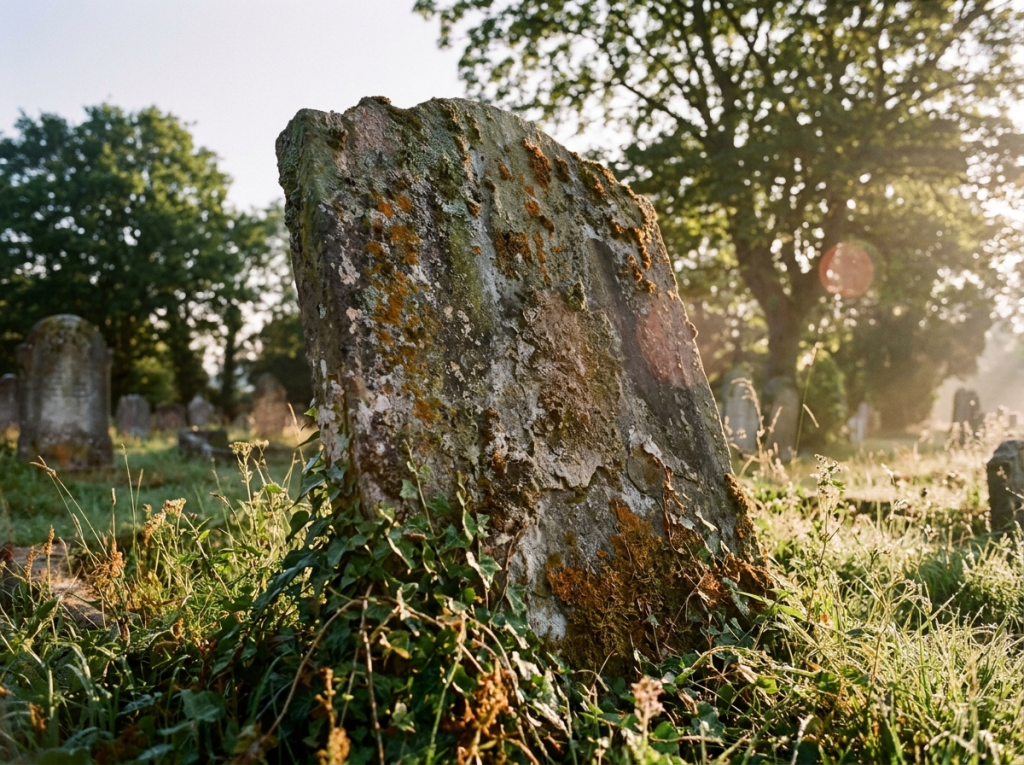
Years later, I went to the grave and read Emily Burt’s name on the stone. I stood there a while, remembering my grandmother with the pan on her knee. The stone bore Emily’s name; what had ranged through the countryside belonged to the tale.
Sources
Field Guide is drawn from the legends as they are recorded. Its first-hand account is imagined. Its pictures are imagined scenes.