
Sharlie is a figure of Idaho folklore.
Where it is told
Field Guide
Sharlie of Payette Lake
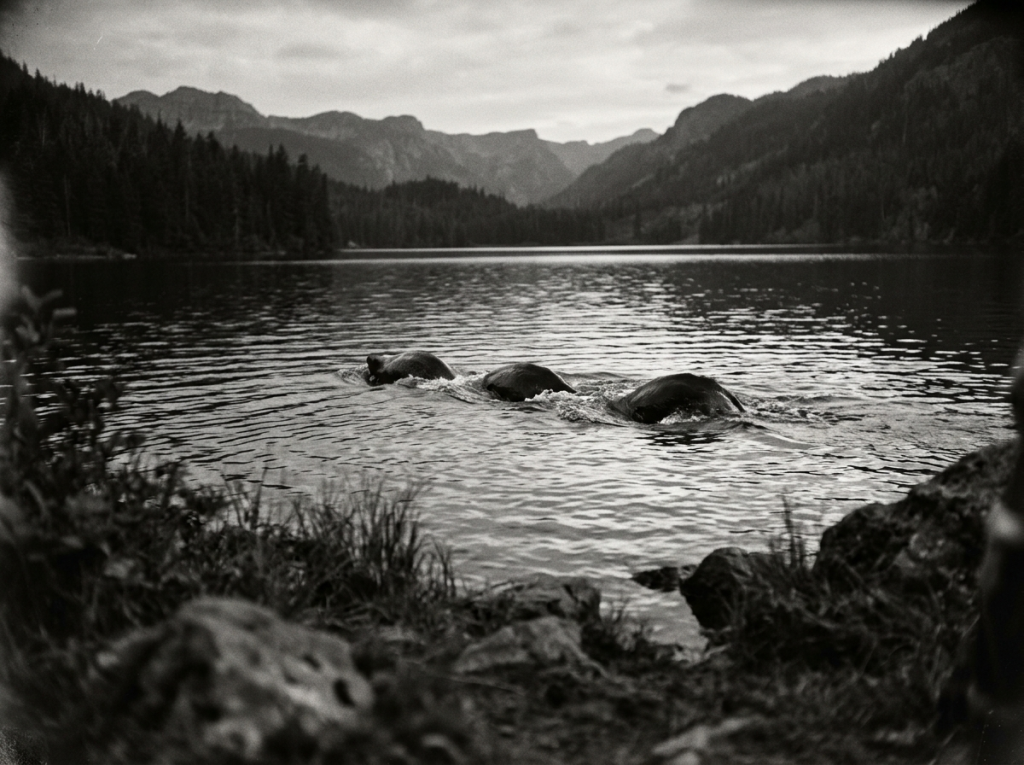
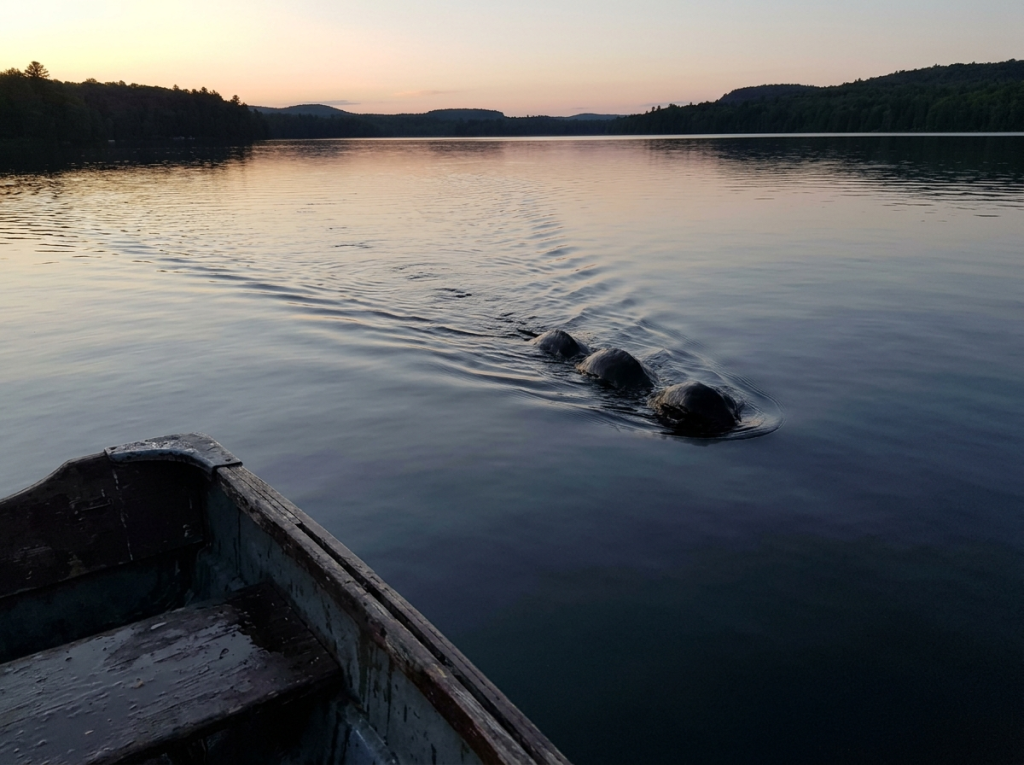
In the summer of 1944, people saw three humps roll through Payette Lake off McCall. The name Sharlie came later.
How to know it
- Size
- Its reported length varied with the teller.
- Build
- Three humps were seen rolling through the water.
- Colour
- Dark.
- Texture
- Shining.
- Where
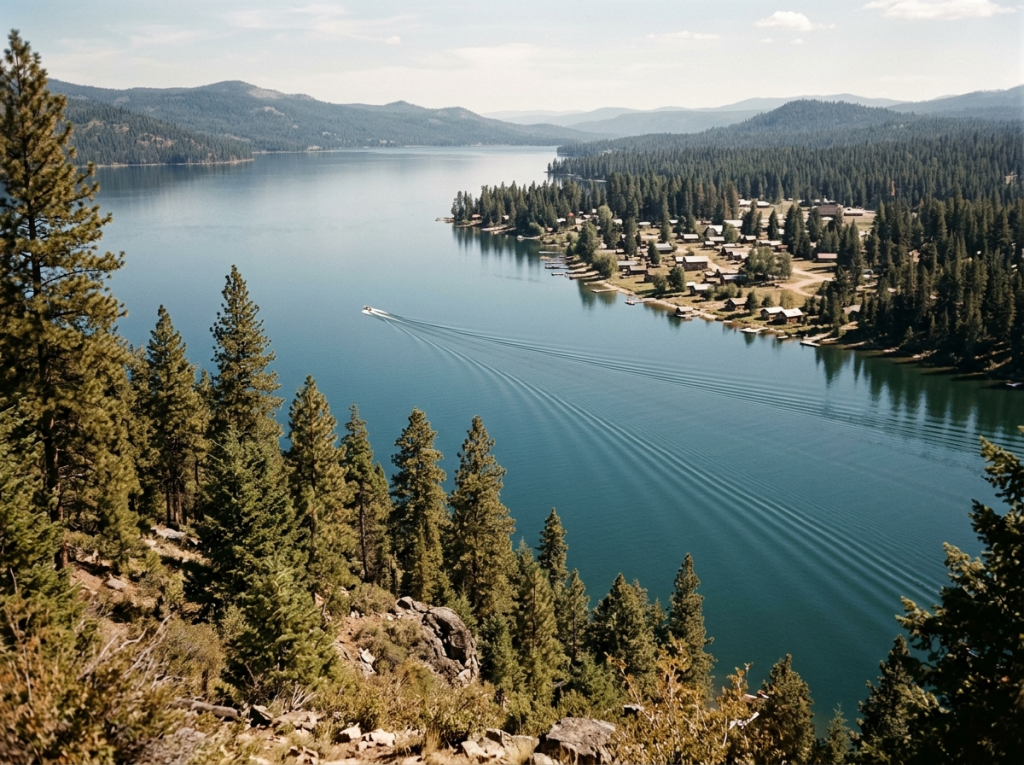
- Payette Lake, off McCall in Valley County, Idaho.
- When
- The sighting was in the summer of 1944.
- Name
- It was called Slimy Slim for years before a local paper held the contest that gave it the name Sharlie.
1 What Payette Lake Says
I imagine myself as a boy at the shore that summer, one of a few children down by the water off McCall. Somebody points, and I turn to see three humps rolling through the lake, one behind the other.
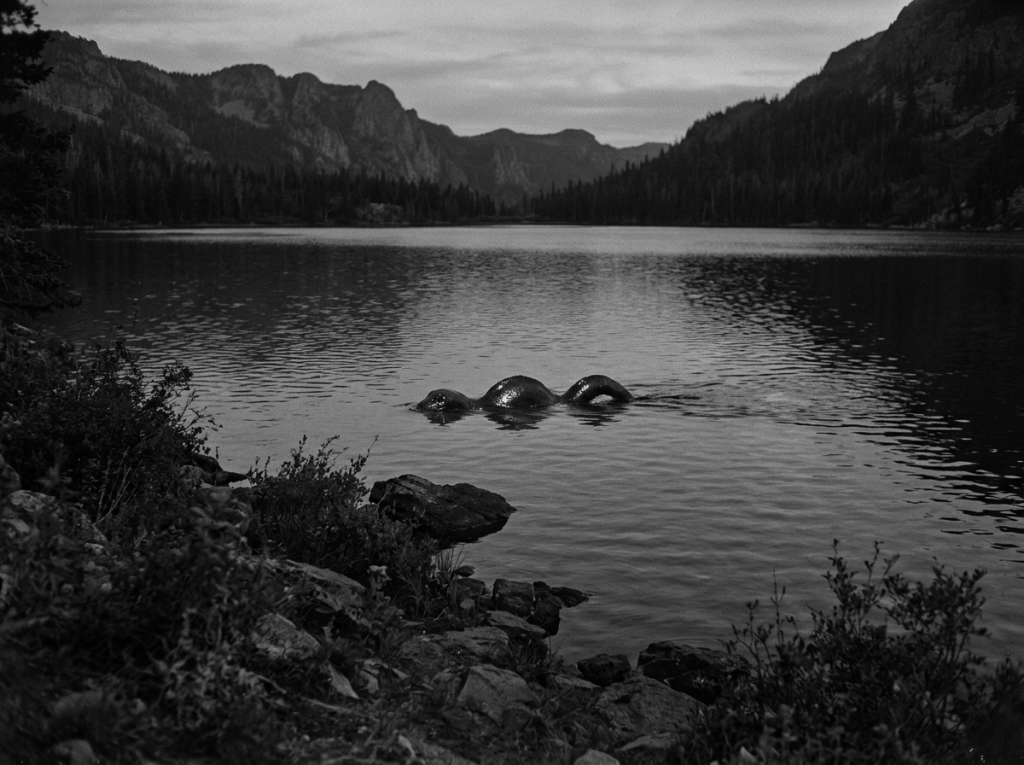
They look dark and shining. I cannot make out a head or a tail. By the time the humps have passed, my shoes are wet to the ankle, though I cannot remember wading in.
2 A Summer Evening Off McCall
In my imagined scene, we children stay at the water for a while, hoping for another glimpse. Then my cousin calls me away, and we start toward home with a man who has been watching from the shore.
3 Where and When It Turns Up
As we walk, my cousin holds his arms wide to show how long he thinks the creature was. The man stretches his arms wider. My cousin tries to match him and ends up walking sideways.
4 What It Does
I imagine my cousin stopping to measure the creature again against a fallen branch. He decides it must have been longer than the branch, though the man keeps his arms spread wider still.
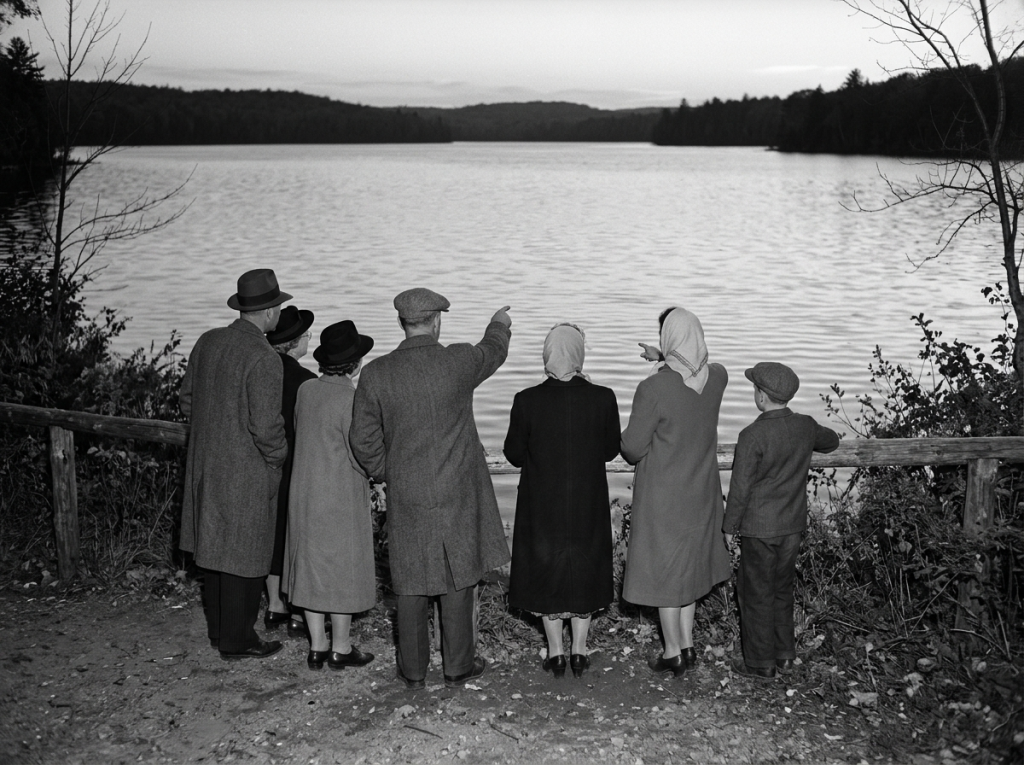
The accounts in the record also varied in their estimates of the creature’s length.
5 Telling It From Other Things
For years, people called the creature Slimy Slim. Then the local paper held a naming contest, and Sharlie stuck.
6 How the Story Holds Together
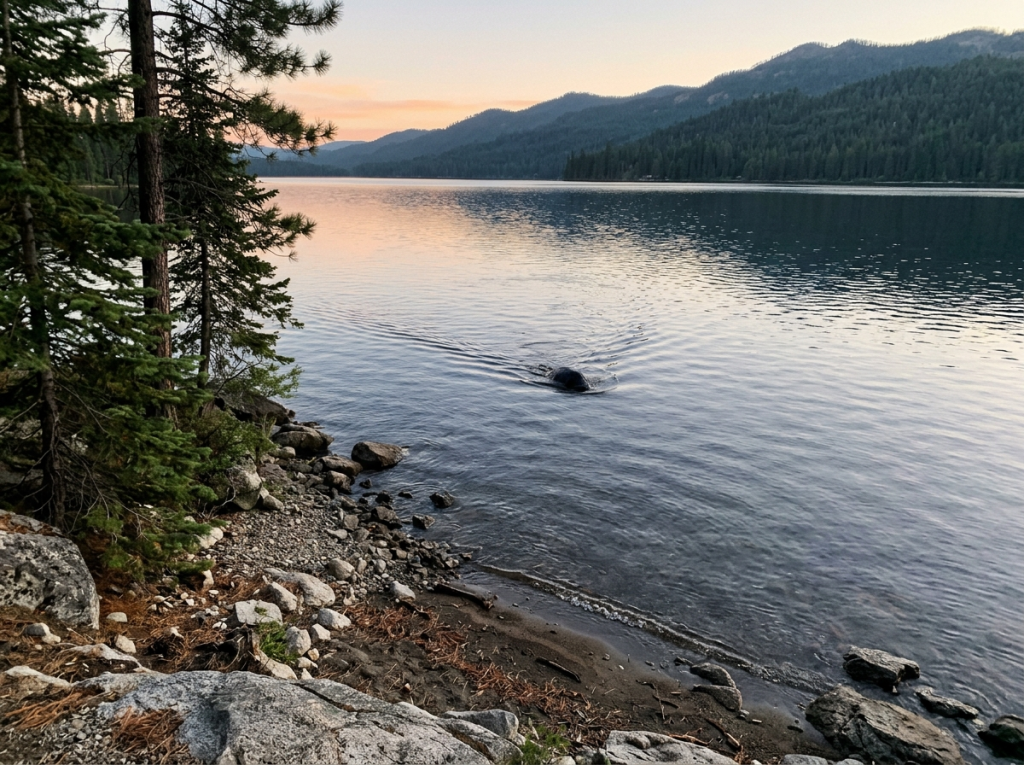
The next time a long wake crossed the water, McCall had a name for what might have made it. I imagine someone on shore pointing it out to a child, who watches the line spread across the lake.
Sources
Field Guide is drawn from the legends as they are recorded. Its first-hand account is imagined. Its pictures are imagined scenes.