
Littlefoot is a figure of Alabama folklore.
Where it is told
Field Guide
Littlefoot of Lookout Mountain
A small hairy figure, a loose family of monkeys and a missing bag of snacks, all along the rim of Little River Canyon.
How to know it
- Size
- Three to four feet tall, which is why the name stuck.
- Build
- Hairy, and a small cousin of Bigfoot in the way most people picture it.
- Tracks
- Small footprints pressed into the mud, found by hikers after their snacks went missing.
- Movement
- It follows people through the trees, and it was filmed dragging a cooler.
- Where
- Little River Canyon on Lookout Mountain, near Fort Payne in DeKalb County, with Pine Tree Hole the best-known spot.
- When
- Since a small petting zoo near the canyon closed; one blurry photograph is dated 1972.
- Habits
- It takes food, trails rafters and throws pinecones.
- Origin
- Some say a family of monkeys slipped out of a transport cage when the zoo shut down and vanished into the woods.
- Mistaken for
- Escaped monkeys, a child's prank or a small Bigfoot, depending on who is telling it.
1 Pine Tree Hole (Little River Canyon)
I was nineteen the summer a friend's older brother took four of us down the river in rafts that had seen better years. We put in a good way upstream and by the middle of the afternoon we had reached the stretch near Pine Tree Hole, where the water slows and the canyon walls lean in. I remember it was a quiet part, with no other boats and no one fishing.

My friend Dale was the first to say it. He said something was keeping pace with us in the trees. I laughed at him, because a river bank is a busy place, with squirrels and birds and wind. But I stopped laughing a few minutes later, because I had the same feeling. It was not a sound so much as the feeling of being walked along with, the way a dog will follow a wagon at a distance.
We did not see anything. I want to say that plainly, since I have heard it told with a good deal more in it. Nobody saw a face or a hand. We paddled harder than we needed to, and nobody talked much. When we pulled out at the takeout, the brother counted the bags, and the one with the crackers and the sandwiches had been gotten into somehow. He blamed Dale. Dale blamed the brother.
Years later I read the story people tell about the little creature up on the mountain, the one that came out of the old petting zoo. I thought of that afternoon and the trees going by on the bank. I do not say what it was. I only say we all felt it, and I have never floated that stretch alone.
2 What They Call It
Down at Fort Payne they call it Littlefoot, and the name does most of the work. Little River Canyon on Lookout Mountain is said to have its own pint-sized Bigfoot, and people around there have been telling it for a good while.
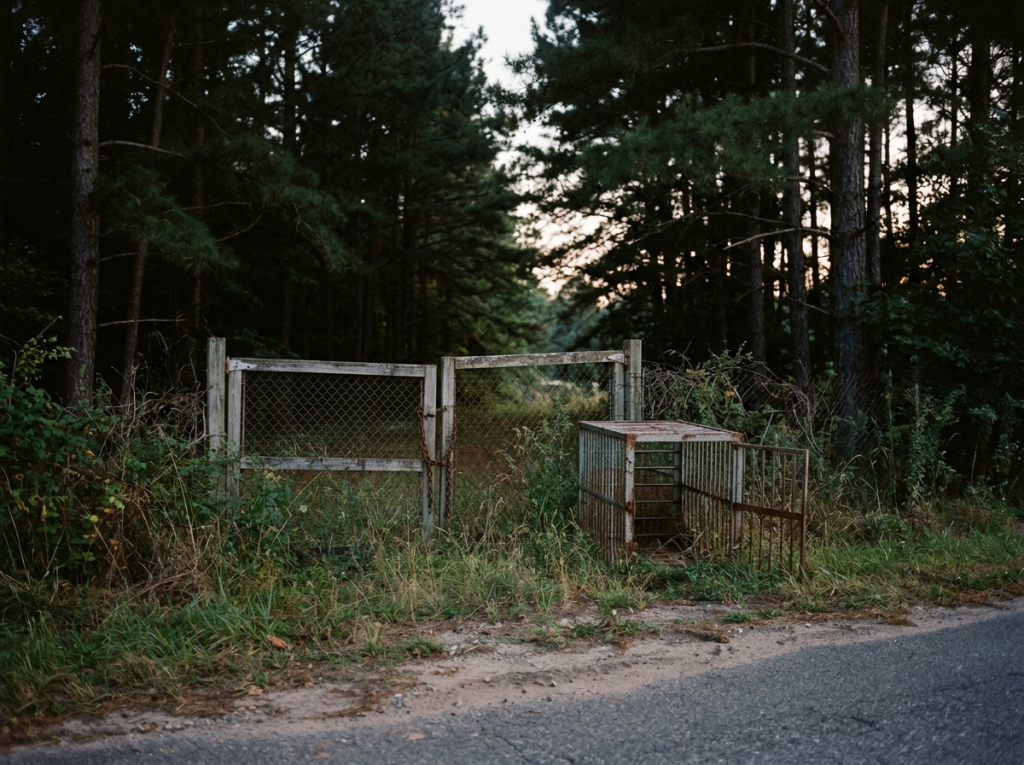
It starts with a small petting zoo near the canyon that closed its doors. Somewhere in the shutting down, a family of monkeys slipped out of a transport cage and went into the woods. Nobody says they were ever caught. So when somebody reports something small and hairy on the rim or along the river, the monkeys get the blame, and that settles it for most people over supper.
Not everybody takes that part. Some say Littlefoot is a prank, some a child in a costume, and some say it is simply a little Bigfoot that was always up there. The tourism writers who pass the story along tell it with a wink and warn hikers to watch their snacks, and that is about as stern as the warning gets.
Ask someone who has felt something walking along behind them in the trees near Pine Tree Hole, though, and the wink goes out of it. They will tell you the same story, but they will not smile while they do it, and they will keep one eye on the bank.
3 How Witnesses Describe It
The most exact figure anyone gives is three to four feet tall. That comes from a retired Huntsville engineer, who filmed a hairy figure of about that height dragging a cooler across the ground. Something no bigger than a schoolchild, covered in hair, hauling off somebody's picnic. That is the whole film, as it gets told.
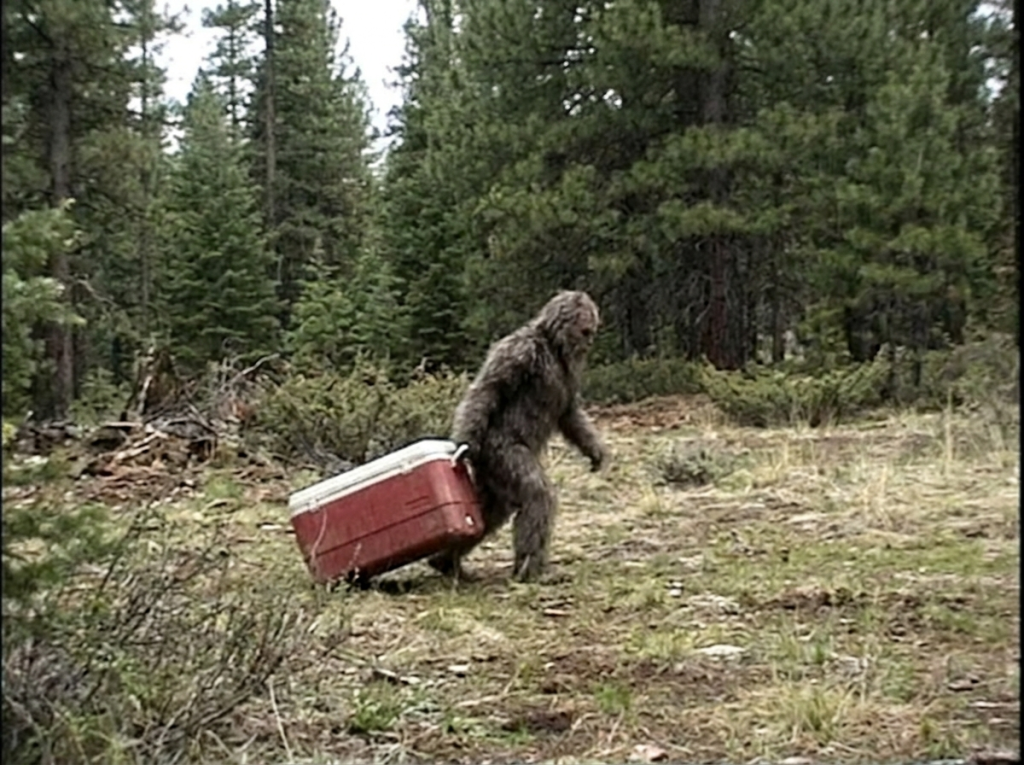
The rest is what gets left behind. A hiker comes back to the place where the pack was set down, and the snacks are gone. In the mud beside it are small footprints. The story says they were small and says nothing more, no toes counted, no length given in inches.
Then there is the photograph from 1972, which is blurry. Every retelling mentions it, and every retelling admits it is blurry. Hand a picture like that around a porch and everybody tilts it toward the light. One person sees a head. Another sees a stump. Somebody's uncle is sure there are arms.
The tellings leave out the rest. Nobody mentions eyes, or a smell, or a sound. Whoever met this creature saw it from far off, or in a hurry, or through the trees, and came home with a height, a coat of hair and some tracks.
4 Where and When It Turns Up
All of it happens on one mountain. Little River Canyon runs along Lookout Mountain in DeKalb County, and Fort Payne is the town people name when they tell it. Inside the canyon the story keeps circling back to Pine Tree Hole, where the rafters felt themselves followed. Nobody tells of Littlefoot in some far county or on some other ridge. It stays home.
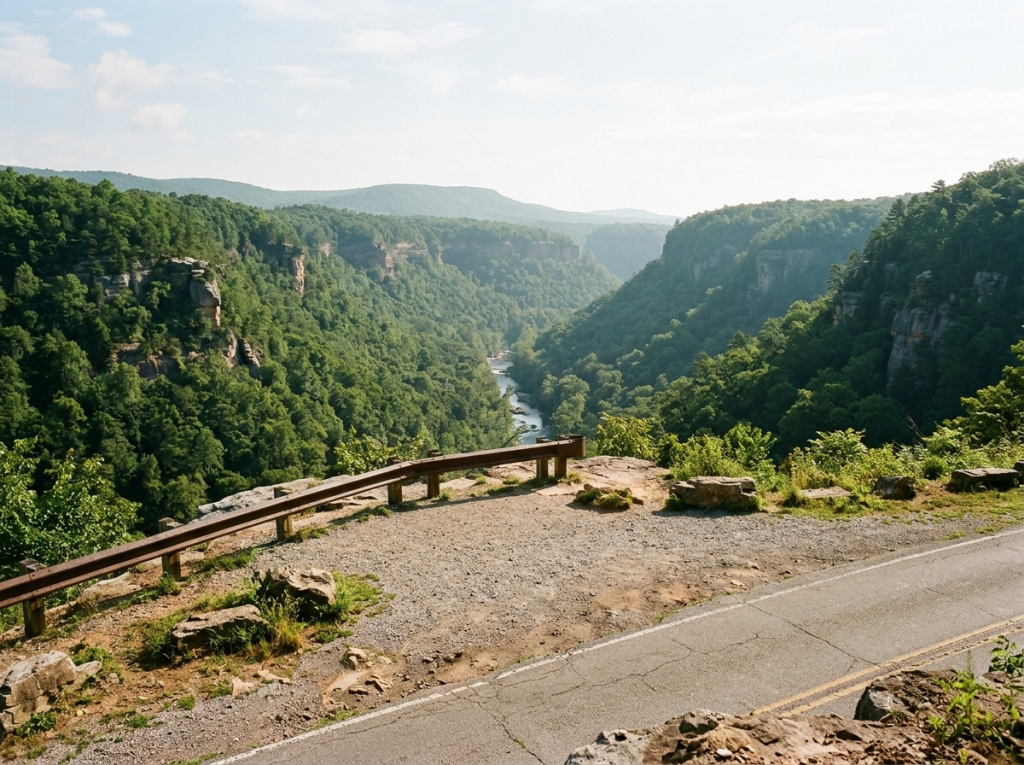
Stand at a gravel overlook on the rim, with the river a long way down and the pines running off in both directions, and ask anyone from town about it. They will point at the trees and start in on the monkeys and the petting zoo. Ask them what year the zoo closed and you get a shrug. The closing is where the story begins, and the story never says when that was.
The one year people do give is 1972, because that is when the blurry photograph is dated. The engineer's film comes with no date that I have ever heard repeated. So the creature has one date that is fuzzy and one that is missing.
Rafters, a Cub Scout troop and hikers with snacks are the people who ran into it. They were on the water, in a camp or on a trail. Nobody has it turning up behind a locked door or in the middle of a town.
5 What It Does
Littlefoot takes things and follows people. The rafters near Pine Tree Hole were followed through the trees. A Cub Scout troop was pelted with pinecones. Think of it from inside the clearing, the cones thumping onto the tents from somewhere overhead, a scoutmaster looking up and boys looking up and nothing in the branches to look at.
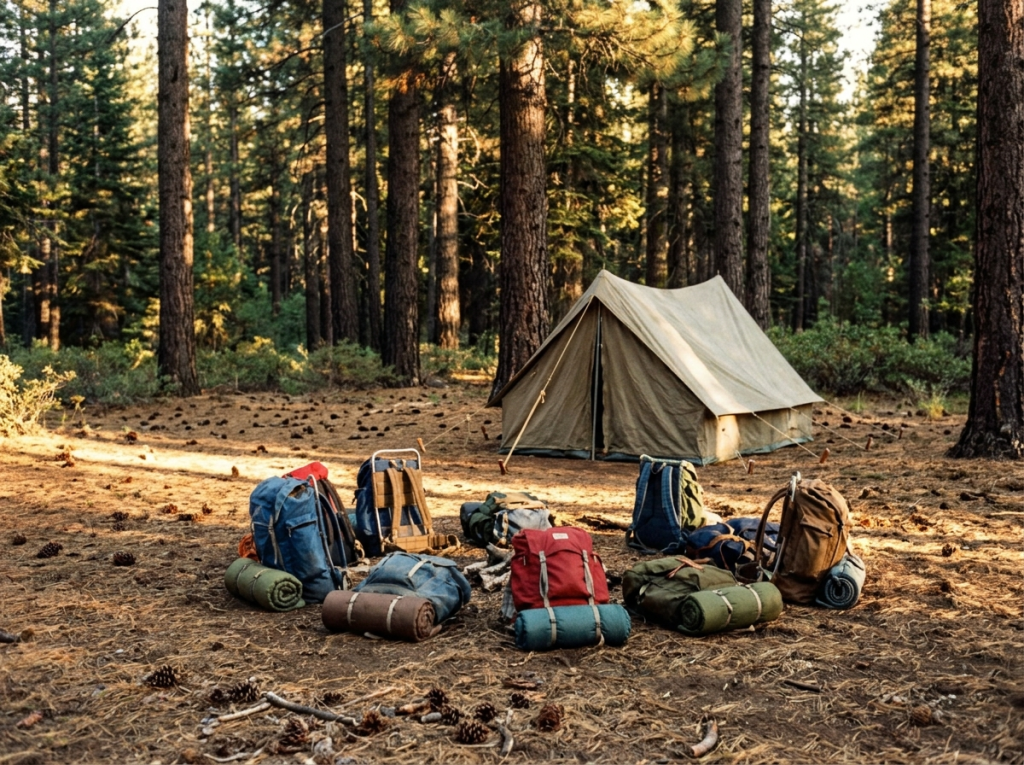
The hikers lost their snacks. The engineer's figure made off with a cooler, a big one for something that size. A hiker on the rim stares down at an empty spot where the pack sat and says what hikers say, that it was right here a minute ago. Then somebody finds the small prints in the mud.
The following is the oldest part of the telling. The rafters said they felt it keeping pace along the bank, and they said they never saw it. It stays in the trees. Nobody tells of it stepping out onto a trail or a beach where a person could get a good look.
The pinecones are the part that gets told with a laugh, and the laugh does not last. A cone is a small thing. It is also what you throw when you want somebody to know you are there and do not want to be seen.
6 Telling It Apart
On a porch in Fort Payne the arguments go about like this. Somebody says deer. Somebody else says a deer stands taller than three or four feet, and a deer does not drag off a cooler. Somebody says a stray dog, and a stray will certainly take a lunch, but nobody has ever had a dog throw pinecones at them. Somebody says a boy playing a prank, which is one of the ways the story gets explained. Somebody says a raccoon, and gets laughed at.

Then somebody says the monkeys, and that gets nodded at, because the monkeys are the old answer for the hair and the missing food. The monkeys do not explain the pinecones. They do not explain the feeling of being followed along a river bank, either, but that is not something anyone can hold up to the light.
The blurry picture of 1972 and the engineer's cooler are what there is to go on, and both show a small figure up to some small mischief. The prints in the mud are what the hikers brought home. The tourism writers say to watch your snacks, and the hikers who came back to an empty spot would say the same.
Sources
Field Guide is drawn from the legends as they are recorded. Its first-hand account is imagined. Its pictures are imagined scenes.