
Monster Pig is a figure of Alabama folklore.
Where it is told
Field Guide
The Monster Pig of Alabama
Two giant hogs, ten years apart, and a good deal of argument about whose pig each one was.
How to know it
- Size
- The Delta hog was reported at 1,051 pounds and over nine feet long; the Samson hog was weighed at 820 pounds.
- Build
- Huge and wild-looking, according to the man who shot the Samson one.
- Where
- A commercial hunting preserve called Lost Creek Plantation, near Delta in Clay County.
- Where
- A front yard in Samson, Geneva County.
- When
- May 2007, in the Delta telling.
- When
- July 11, 2017, in the Samson telling.
- Habits
- A boar belonging to a Samson neighbour dug under a fence and went missing the day before the big hog was shot, half a mile off.
- Sign
- The Samson hog carried no ear tags and no other mark of being domestic.
- Mistaken for
- Georgia's Hogzilla, which the newspapers said the Delta hog beat, and a pet-sized pig named Fred.
1 The Scale at Samson (Samson, Geneva County)
Picture a peanut company yard in July. Diesel, dust, the sweet dirt smell of a place that handles nuts all season, and heat coming up off the concrete by midday. The date is the eleventh, the year 2017. Somebody has brought in a hog.
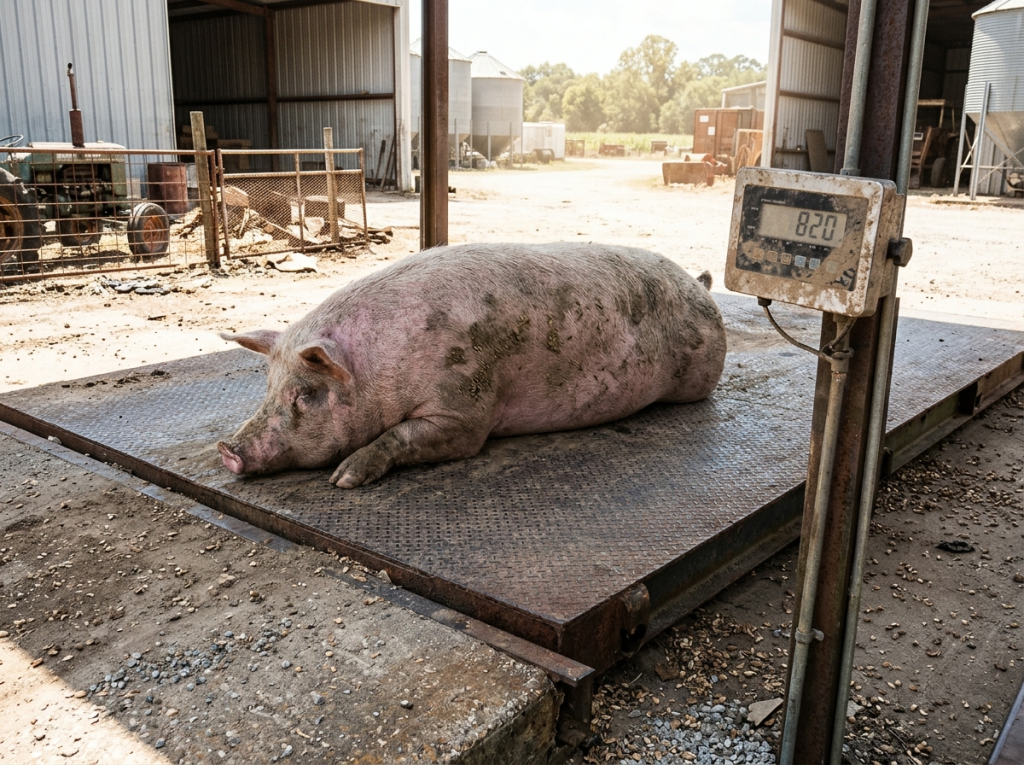
A man in Samson had shot it in his front yard. It was huge and wild-looking, and it was weighed at a local peanut company. The scale read 820 pounds.
The man said it had no ear tags and no other sign of being domestic. That is the whole of what he told people about where it came from.
Within days the story had gone out across the country as a monster hog. Then a neighbour who raises hogs said that one of her husband's boars had dug under a fence and gone missing the day before. It was about half a mile from the yard where the big one was shot. She wondered whether the giant was theirs. She could not prove it, and she said that too.
Nobody has settled it since. There is a hog, a hole under a fence, and 820 pounds on a scale.
2 What They Call It
Alabama people call it the Monster Pig, and the name has stuck to two different animals. In Clay County the newspapers billed the hog as bigger than Georgia's Hogzilla. That made it a record, something to be beaten. In Geneva County it went out as a monster hog, a plainer name for a plainer story.
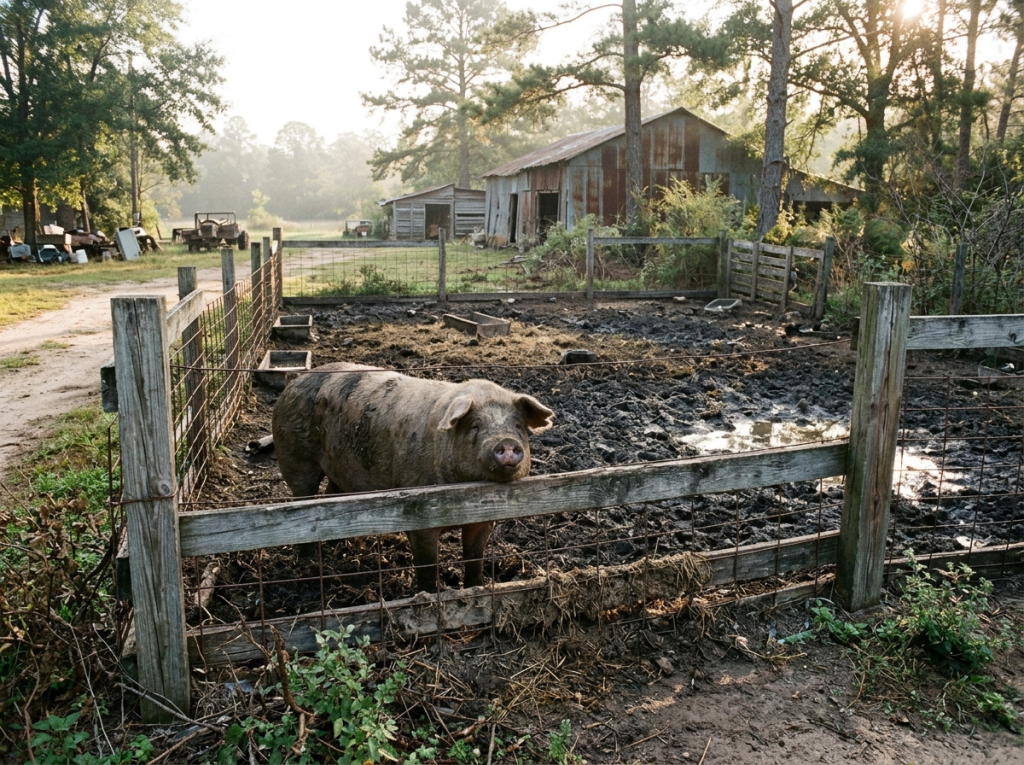
Both tellings lean on the word wild. The Delta hog was shot on a preserve where people pay to hunt, so wild there can mean whatever the owners want it to mean. The Samson man called his hog wild-looking, and he said it had no tags. To everyone else it was a pig, an enormous one, and after that they argued about the rest.
The argument also produced a name. A farm couple said the Delta beast was Fred. They had raised him, they said, and sold him to the preserve a few days before the hunt. This came within weeks of the shooting. A monster with a Christian name and a feed bill is a fine thing to find in a county's folklore.
3 How Witnesses Describe It
Stand at the Lineville co-op in May of 2007 and listen to the scale. I like to imagine the clank of the weights and the sound of a truck idling outside. Hog hair is on the boards, and somebody is writing a number on a ticket. That scale only read in steps of ten pounds, so a hog could be rounded up or down by as much as five.
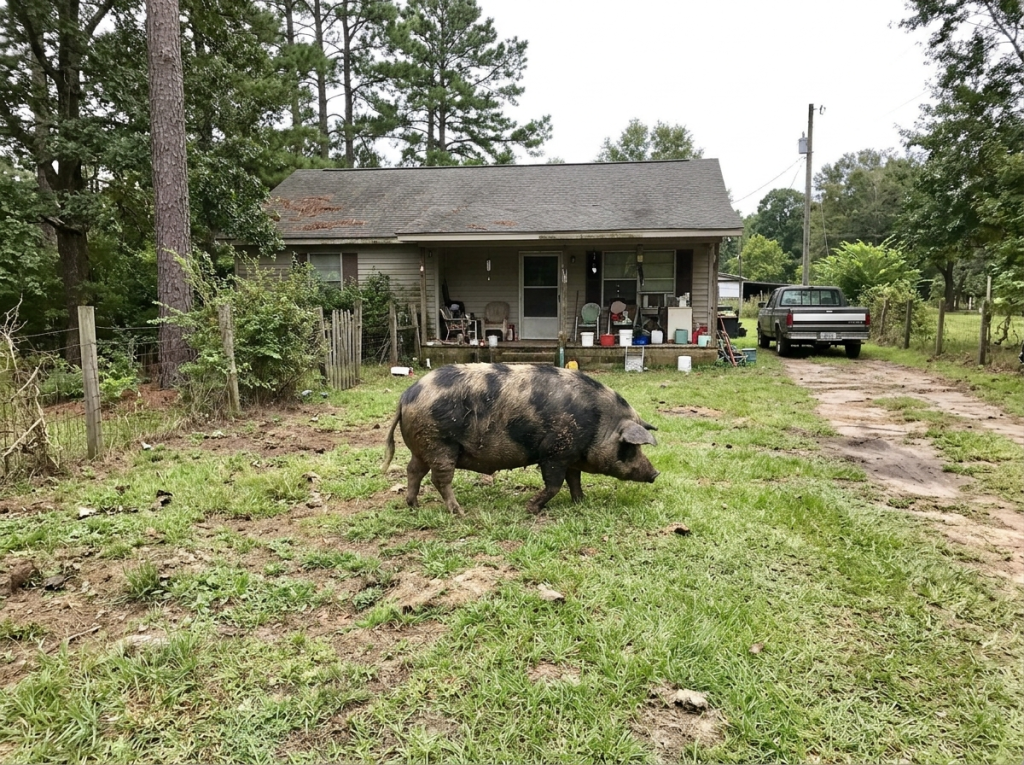
Size is most of what anyone says about the Delta hog. It was reported at 1,051 pounds and over nine feet long. The photographs people remember were later found to be posed and enhanced.
For the Samson hog we have the shooter's own words. Huge and wild-looking, he called it, and he had a good look at it in his own yard. What he picked out was a lack of marks. It had no ear tags and nothing else to show it had belonged to anyone.
There is little else. Nobody has told of a squeal in the dark or a pair of eyes at the fence. The pig was shot, hauled off, weighed and argued over.
4 Where and When It Turns Up
Delta is in Clay County, in east Alabama, on the Lost Creek Plantation hunting preserve. It is a commercial hunting preserve, private land just outside the north Alabama counties. In May 2007 an 11-year-old hunter from Pickensville shot the big hog there. The Lineville co-op scale belongs to that telling.
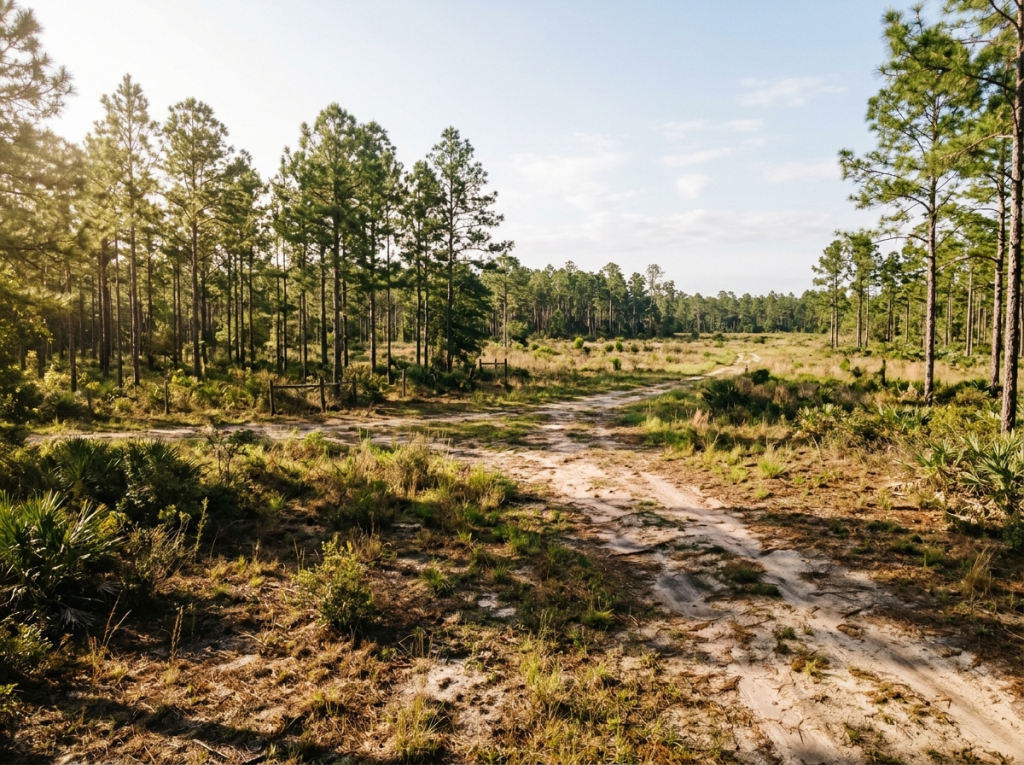
Samson is in Geneva County. The hog was shot in a front yard there on July 11, 2017, and the peanut company's scale gave the weight.
That makes one story in May and one in July, ten years between them. Both are warm months, with people outdoors. Neither story happens at night. A preserve and a front yard are places where people walk up and look.
5 Telling It From the Ordinary
No one in either story took the Monster Pig for a deer or a dog or a cow. They took it for a pig, and then they asked whose.
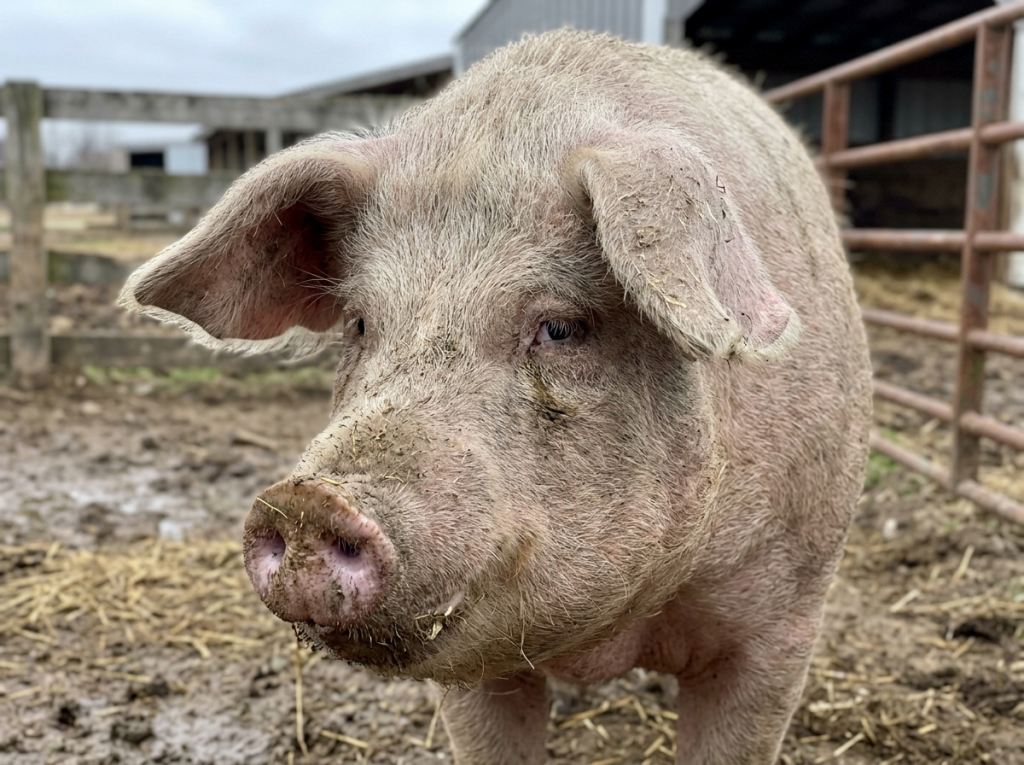
At Delta the farm couple said it was a domestic pig they had raised and sold, and the newspapers called it a giant of the woods. At Samson the shooter said the animal had no sign of being domestic. His neighbour answered with a boar that had gone missing the day before, over a fence it had dug under.
So there are three things the old accounts give you to check on a big hog. Look at the ears for tags. Find out who has a boar missing, and how far off. Ask who sold what to whom last week. Then ask how the weight was taken, since a scale that reads in tens gives you a number that is close and no closer.
6 How the Two Stories Fit
The two stories look a good deal alike. Each has a very large hog and a shooting, and each got into the newspapers. In each a second party came forward with a claim that the pig belonged to someone.
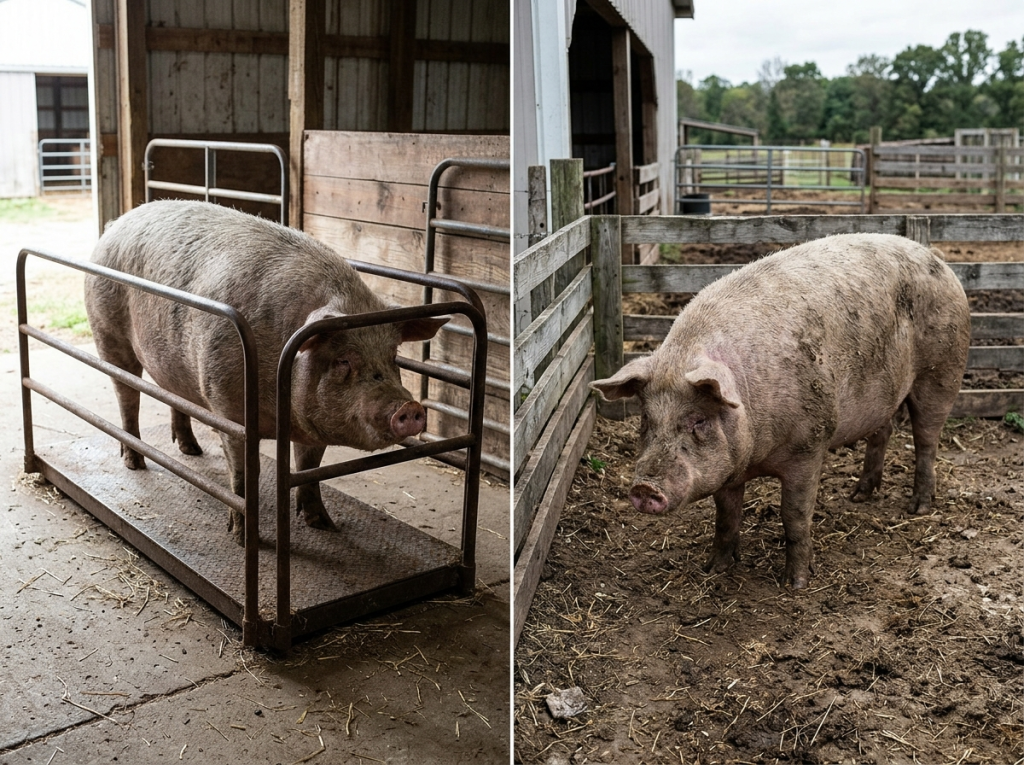
The farm couple at Delta had a name and a sale to point to. The woman at Samson had a boar, a fence and a date, and she said she could not prove it. I think more of her for that. One side brought a pig called Fred and the other brought a hole under a fence.
Delta came first, with a scale that read in tens and photographs that had been posed. Samson followed with a scale that read 820 and a shooter who said the ears were bare. Whether either animal was somebody's livestock or something out of the woods, the tellings do not say. A boar went missing half a mile from one yard. A pig called Fred was sold days before the other hunt.
Sources
Field Guide is drawn from the legends as they are recorded. Its first-hand account is imagined. Its pictures are imagined scenes.