
Nahullo is a figure of Alabama folklore.
Where it is told
Field Guide
The Nahullo, Tall Hunters of the Old Choctaw Country
Choctaw tradition tells of giants found across parts of Mississippi, Alabama and Tennessee, and leaves their disappearance unexplained.
How to know it
- Name
- Nahullo, which Claiborne wrote as Na-hon-lo.
- Size
- Giants, described as tall.
- Colour
- Light-skinned.
- Build
- Nothing is said beyond their height.
- Habits
- Hunters, said to be cannibals.
- Where
- Northern Mississippi, northern Alabama and western Tennessee.
- When
- Already there when the Choctaw came from the west.
- Dealings
- The Choctaw feared them and fought them.
- Fate
- Tradition does not say how they disappeared.
1 A Porch in Tuscumbia, Colbert County
When I was a boy in Tuscumbia, an old woman on our street told me a story from her porch. Giants, she said, had once lived where we were sitting. She held her hand flat, high over her head, to show me how tall they were.
“That’s nonsense,” I told her.
“The Choctaw knew better,” she said, and went back to shelling her peas.
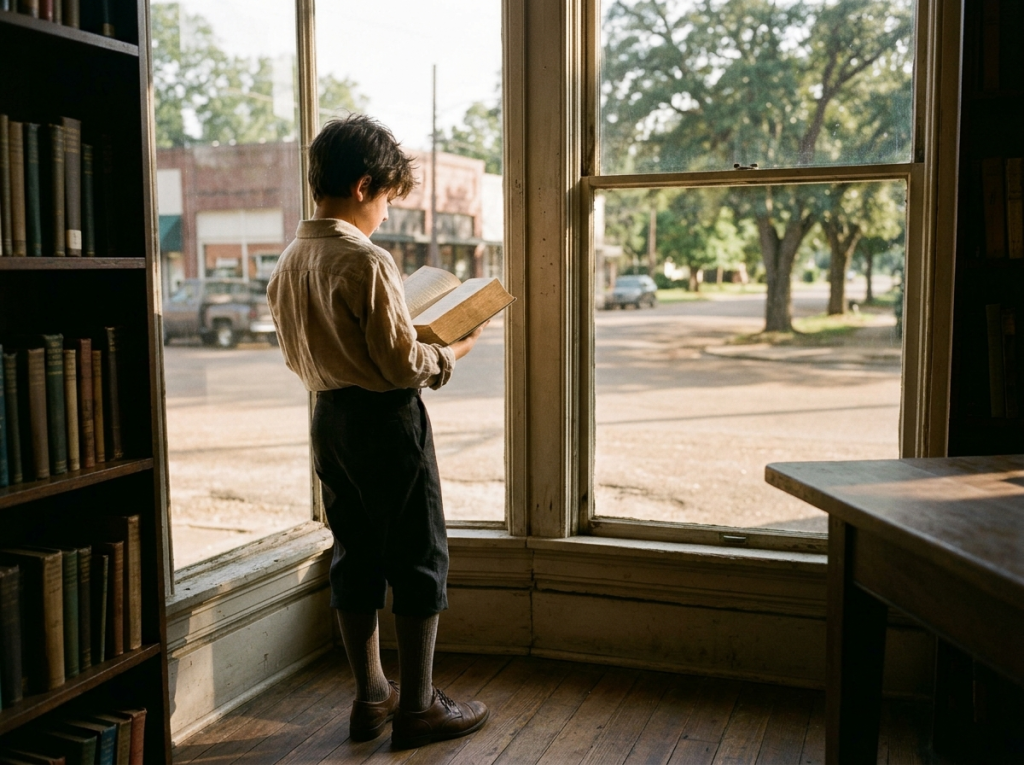
Years later I found Cushman’s 1899 history of the Choctaw, Chickasaw and Natchez. I read the passage standing at a library window. In the tradition he recorded, the Choctaw came from the west and found a race of giants called the Nahullo. I thought of the woman’s hand held flat in the air and read on.
2 What They Are Called
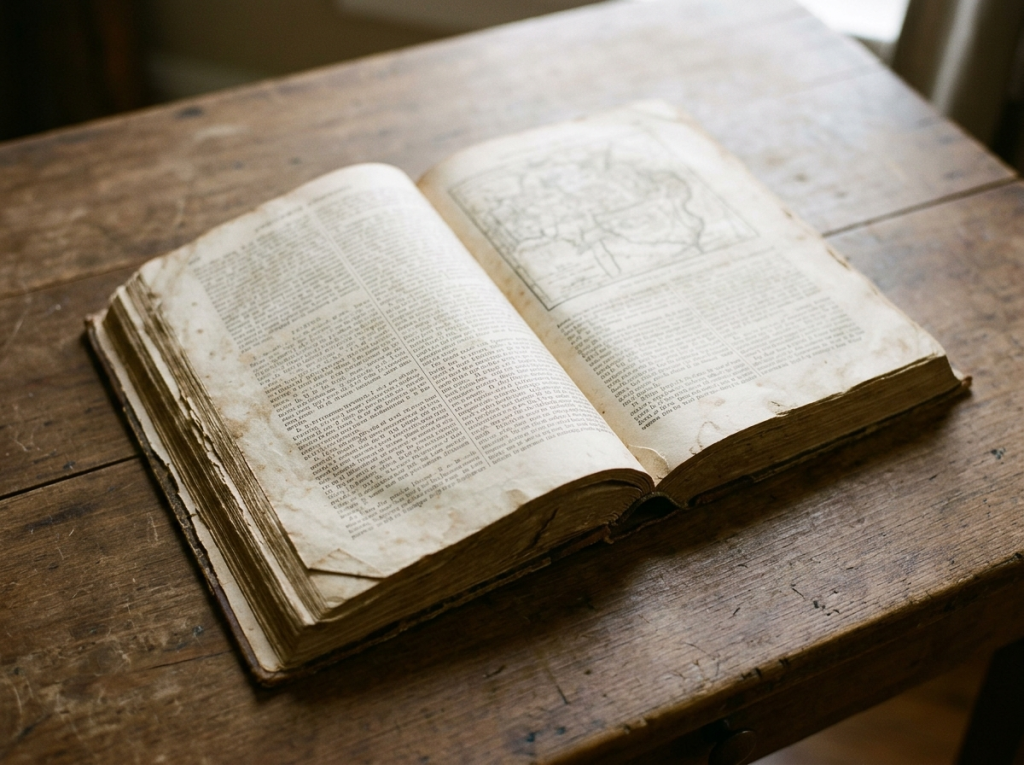
Cushman calls them Nahullo. Claiborne, another early writer, used the spelling Na-hon-lo. I copied both names before turning back to the passage.
3 What the Tradition Says
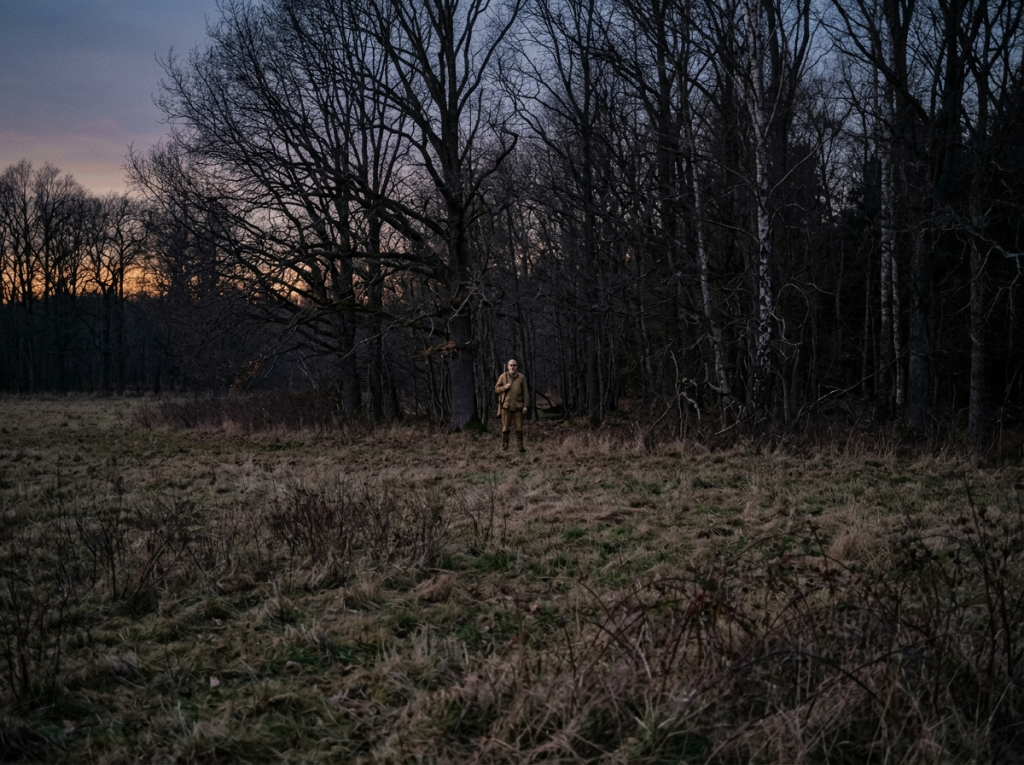
Cushman describes the Nahullo as tall, light-skinned hunters. He also says they were said to be cannibals, a detail the woman on the porch had left out. I tried to picture them from those few words.
4 Where They Lived
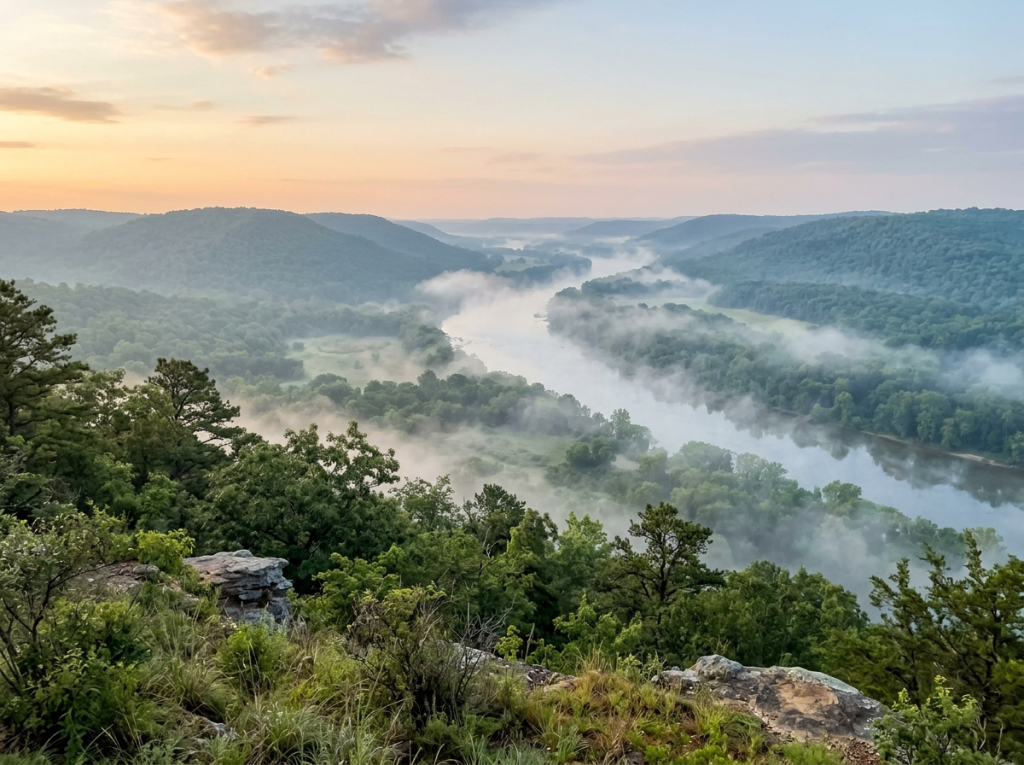
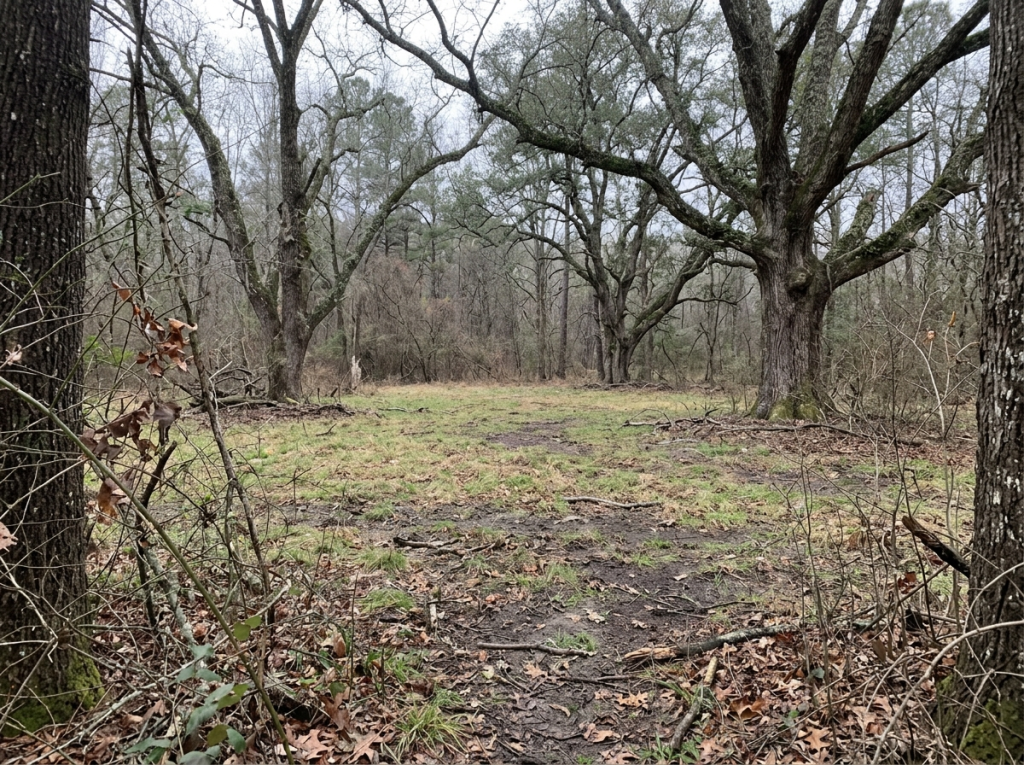
The tradition places them across what is now northern Mississippi, northern Alabama and western Tennessee. Reading that, I could see why the woman had imagined them near her porch, though Cushman’s account gave no such place.
5 What Is Not Said
The Choctaw feared the Nahullo and fought them. I looked through the passage for what came after, but Cushman notes that tradition does not say how they disappeared.
6 The Walk Home
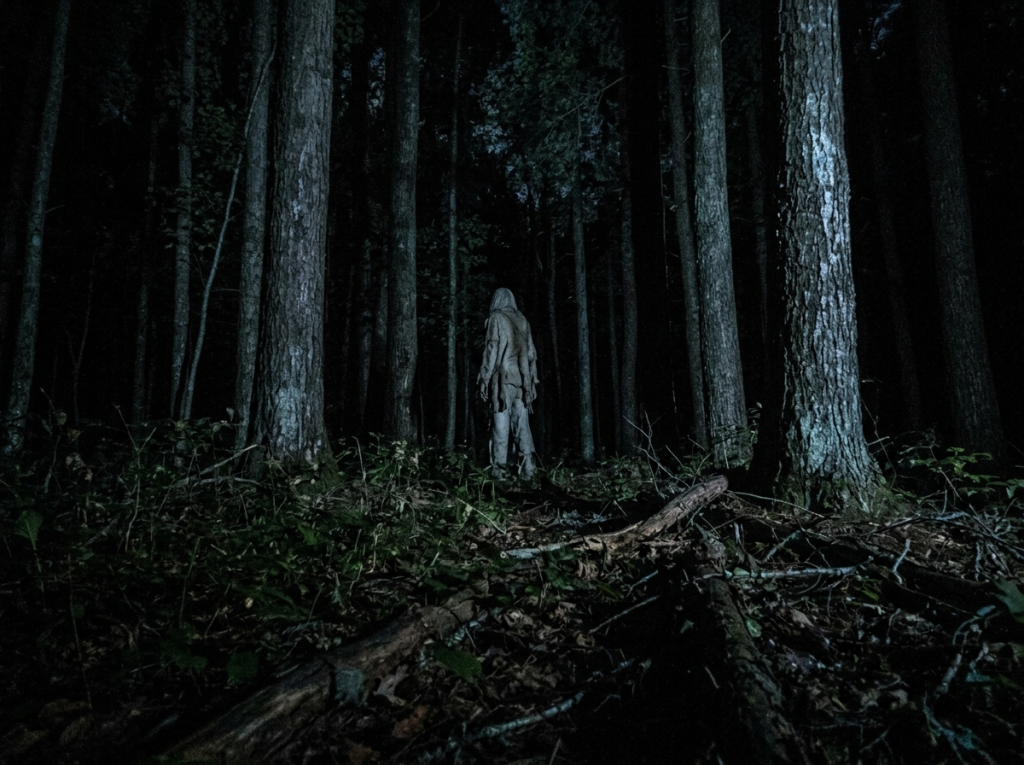
I walked home along the Colbert County roads with the book’s short account still in my mind. When I passed the woman’s porch, I remembered how she had held her hand above her head, measuring a height I could not see.
Sources
Field Guide is drawn from the legends as they are recorded. Its first-hand account is imagined. Its pictures are imagined scenes.