
Norman Staples is a figure of Alabama folklore.
Where it is told
Field Guide
The Captain Who Came Back Aboard
After Captain Norman Staples was buried at Bladon Springs, the crew of his old steamboat saw a familiar figure walking its decks.
How to know it
- Size
- His height is not described.
- Build
- His build is not described.
- Colour
- His clothing and complexion are not described.
- Sound
- No voice or footfall is described.
- Movement
- A familiar figure walks the decks.
- Where
- Aboard the James T. Staples on the Tombigbee. Captain Staples was buried at Bladon Springs in Choctaw County, Alabama.
- When
- After dark, before a boiler explosion wrecked the boat.
- Mistaken for
- The crew took the figure for Captain Norman Staples, the boat's former owner.
1 Night Watch
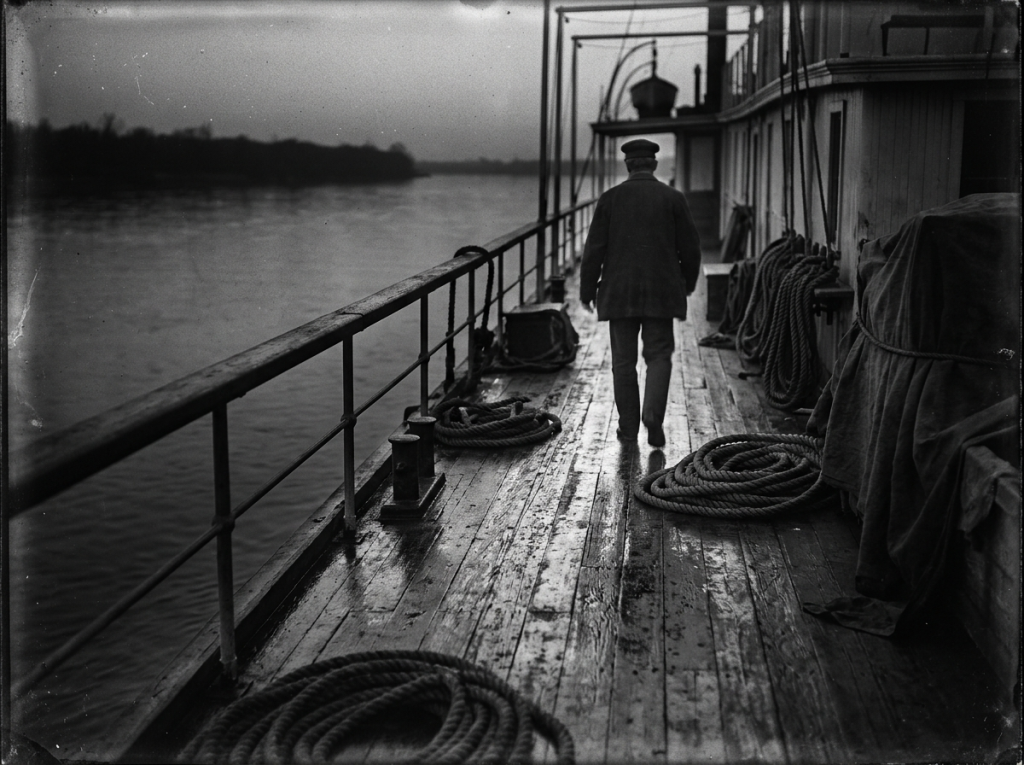
I like to tell this story at a table after dark, when the room has gone quiet enough for everyone to listen. I begin with Norman Staples, the former owner of the steamboat James T. Staples.
2 The Captain's Grave
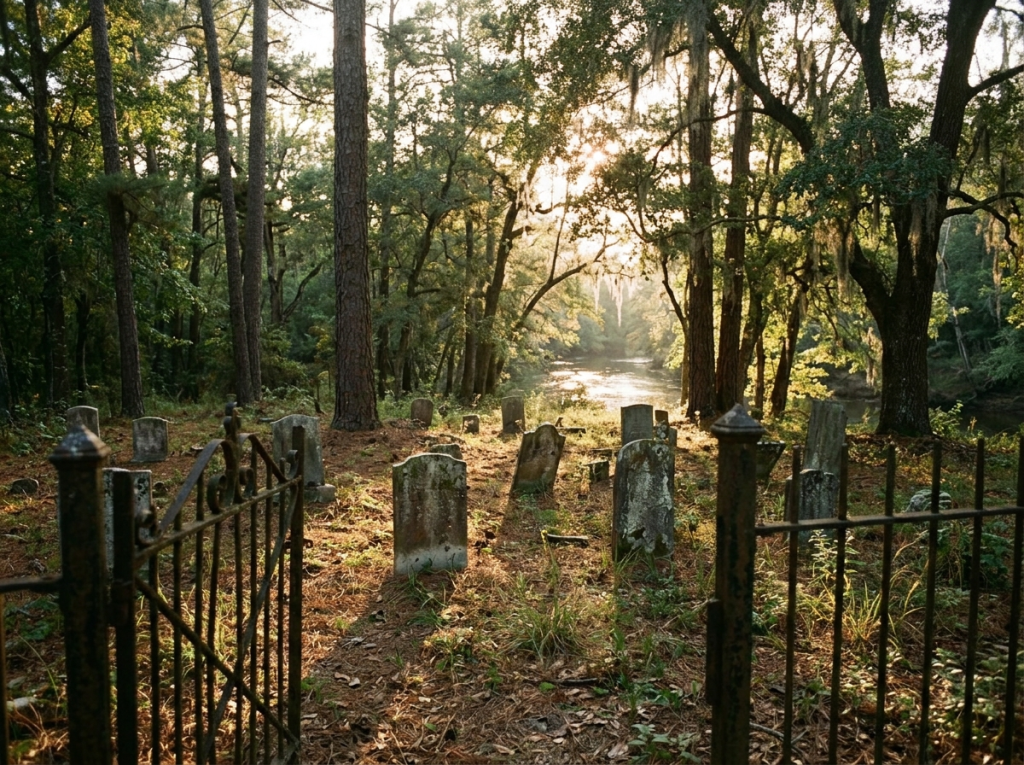
Before the crew saw the figure, Staples had died and been buried at Bladon Springs in Choctaw County, Alabama.
3 What the Crew Saw
In the Tombigbee story, the crew saw a familiar figure walking the decks after dark. They took him for Captain Staples, though he was already buried.

At my table, a listener leaned forward. “They thought it was him, even though he was dead,” she said.
“That's how the story goes,” I said.
4 Along the River
Later, a boiler explosion wrecked the James T. Staples.

5 What the Telling Leaves Out
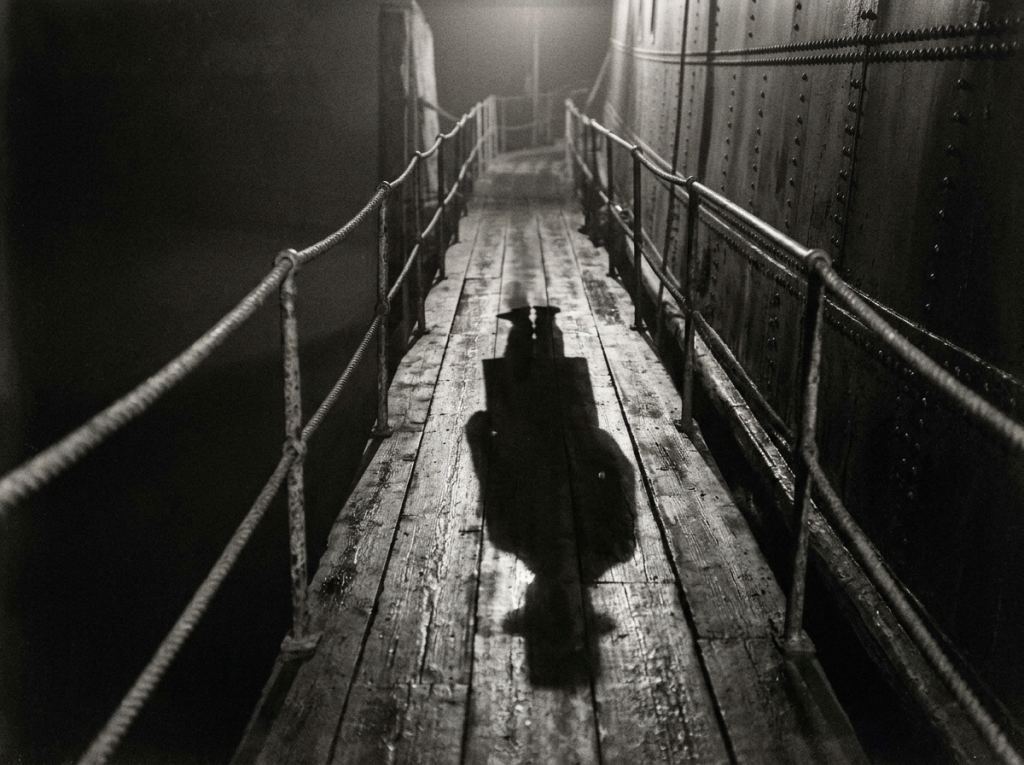
Another listener asked how the crew recognized the figure. I had no details to offer. The record does not describe his face or clothes, or say whether his steps made a sound.
6 The Boat and the Grave
In the telling, Captain Staples had come back to the boat before it was lost. When I finished, I left a little silence at the table, then let the listeners turn to their own talk.

Sources
Field Guide is drawn from the legends as they are recorded. Its first-hand account is imagined. Its pictures are imagined scenes.