
Watertown Wyrm is a figure of Connecticut folklore.
Where it is told
Field Guide
The Watertown Wyrm
A shed skin gave a Connecticut serpent story its measure.
1 At the Watertown fence line
I met my neighbor by the fence one afternoon, and he asked what I knew about the Watertown Wyrm. I had heard the name before, but the story was short enough that I wanted to get it right.
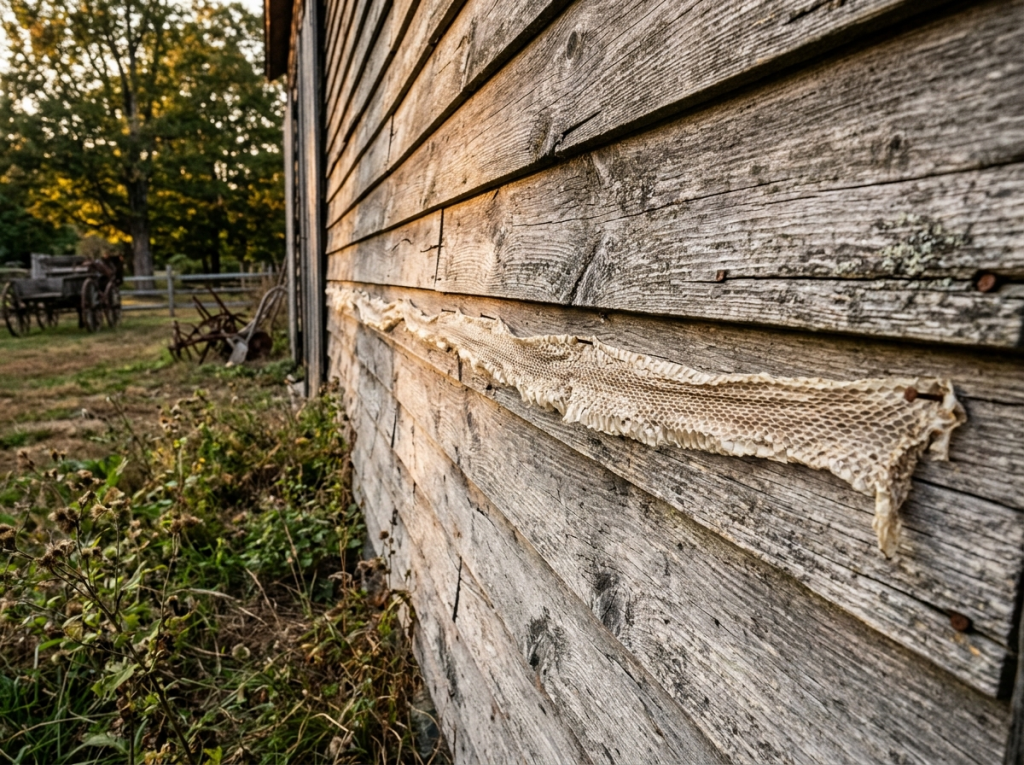
Near the end of the nineteenth century, people in Watertown, Connecticut, told stories of a large serpent that slipped away. They remembered it long afterward.
2 What they called it
“People called the serpent the Watertown Wyrm,” I told my neighbor.

“Wyrm,” he said, trying the word aloud. He leaned on the fence and waited for me to go on.
3 The shed skin
“The detail that stayed with the story was a shed skin,” I said. “It was said to have measured twelve feet.”
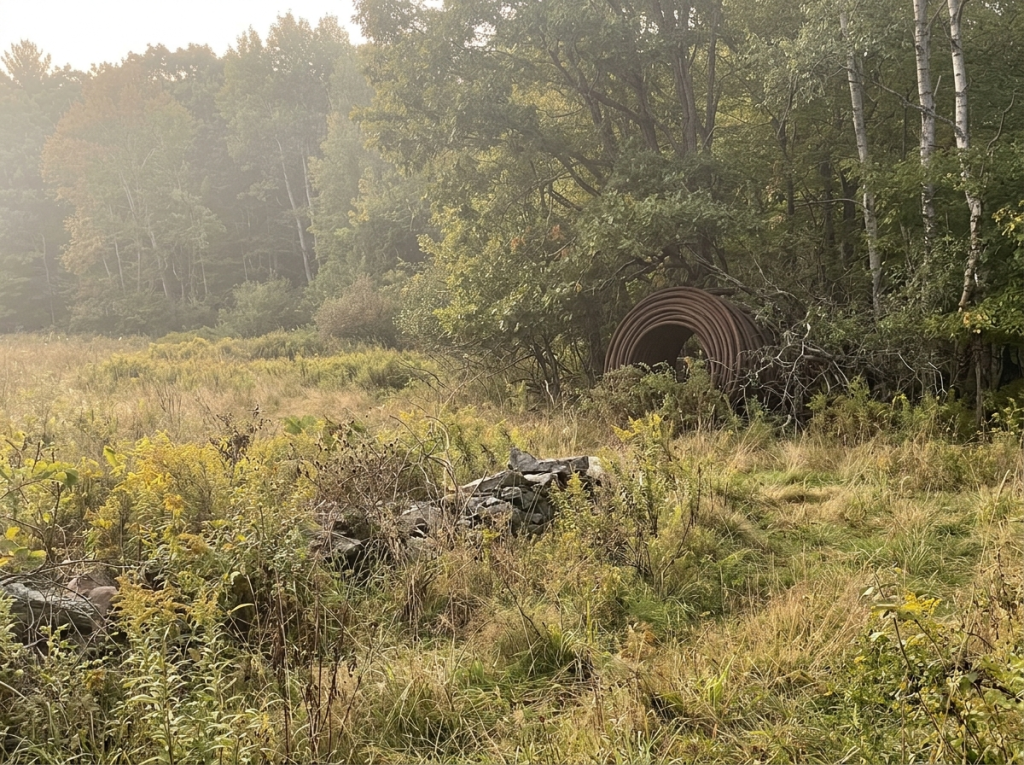
My neighbor spread his hands apart, then farther apart still, as though trying to picture the length. The record does not say who measured the skin or where it ended up.
4 A glimpse from a distance
My neighbor knew Watertown, in Litchfield County. He looked across the grass and asked how much anyone could have seen of the serpent.

“That is hard to know,” I said. “Distance can soften a glimpse, and a story can grow in the telling.”
5 What the skin suggested
“The skin gives us something more to go on,” my neighbor said.
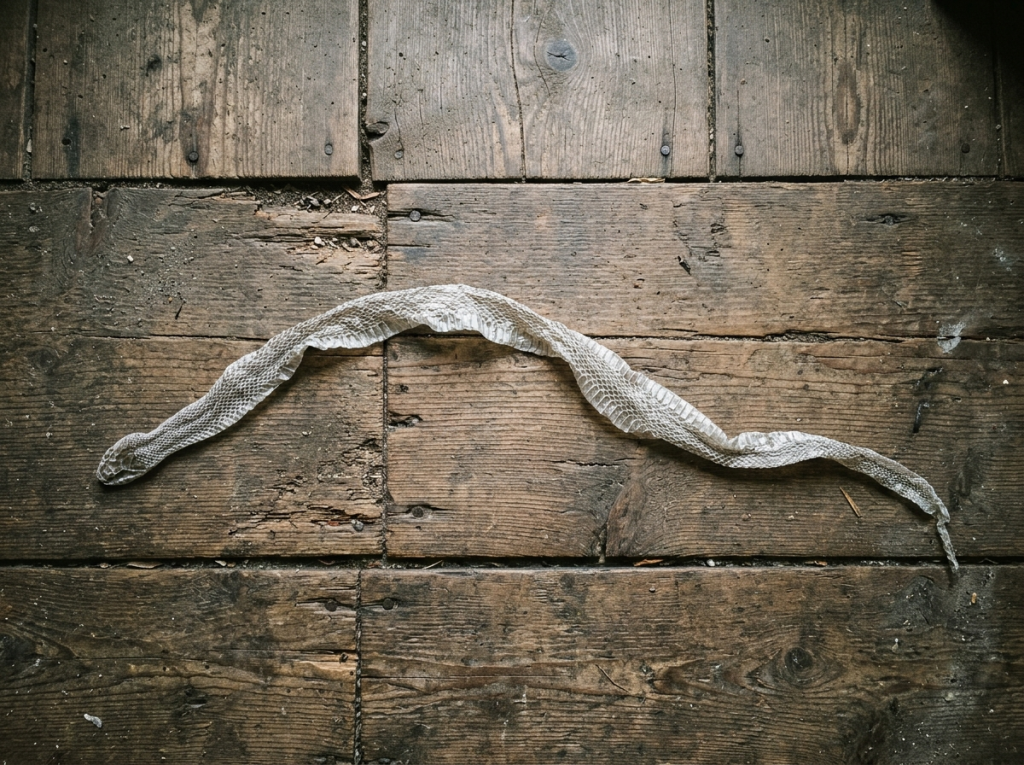
“It gives us a measure,” I said, “though we cannot be sure it belonged to the serpent people saw.”
6 The part unseen
My neighbor looked down the length of the fence. “If it was the same animal,” he said, “the skin suggests people saw only part of it.”
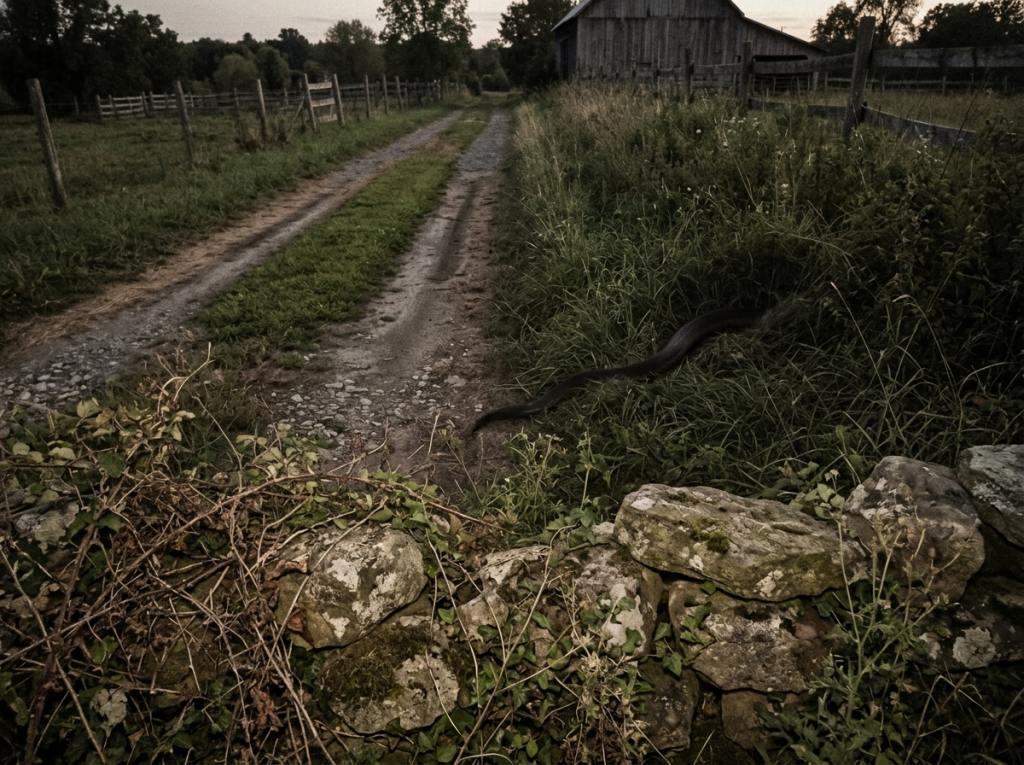
We stood by the fence a little longer, looking out across the grass.
Sources
Field Guide is drawn from the legends as they are recorded. Its first-hand account is imagined. Its pictures are imagined scenes.