
Screaming Beast of Blackburn is a figure of Alabama folklore.
Where it is told
Field Guide
The Screaming Beast of Blackburn
In February 1912 something reddish brown and dog-shaped sent a woman's scream a mile across the farms north of Florence, and the neighbourhood has not been easy about it since.
How to know it
- Size
- Big, about the size of a large dog, and no telling makes it bigger than that.
- Build
- Dog-like, a flesh-and-blood animal and not a shape in the mist.
- Colour
- Reddish brown.
- Mark
- A white streak at the throat.
- Sound
- A scream like a terrified woman.
- Carries
- A mile or more, by the neighbours' reckoning.
- Where
- Farms and back roads around Blackburn, in rural Lauderdale County near Florence, and at no single public place.
- When
- February 1912, with the story set down in the Montgomery Advertiser on February 25.
- Habits
- It frightened the whole neighbourhood, and the screaming is what people remember.
- Mistaken for
- The Bell Witch of Tennessee, which some residents thought had crossed the state line.
1 On a Blackburn Back Road
(as told by a farm boy of the Blackburn community, grown old)
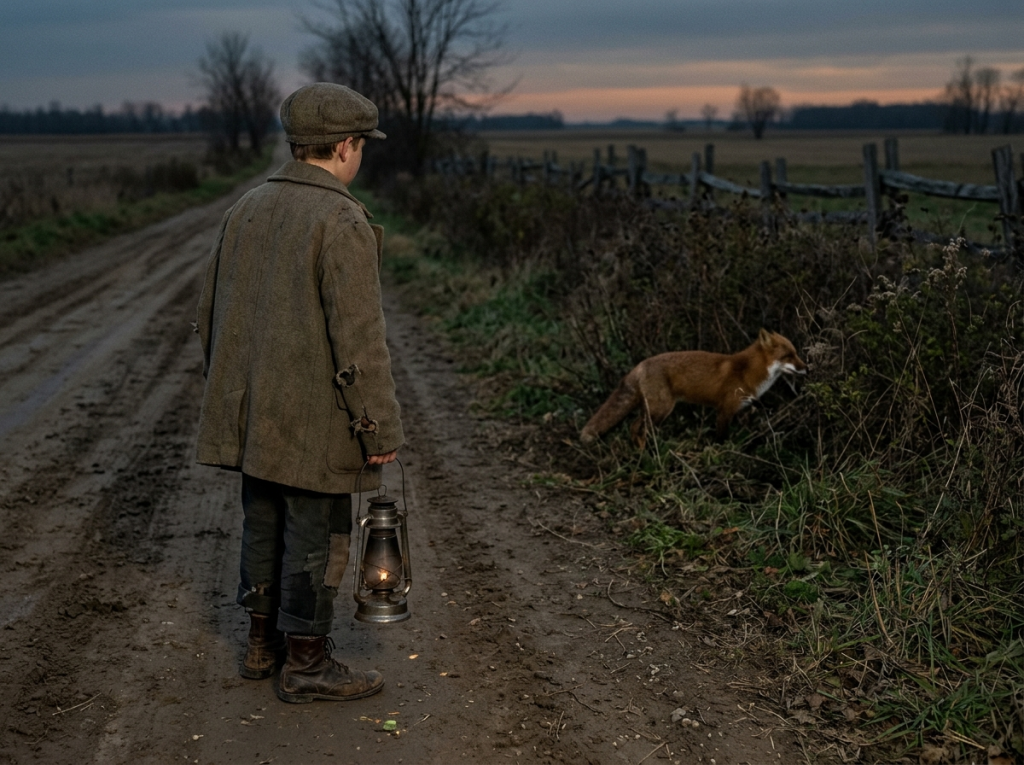
I was eleven that winter, and my daddy had me carrying a lantern out to the mule lot every evening, because the mule had taken to standing in the far corner with her ears laid flat. Nobody in our house said why. We all knew why. For about a week the whole community had been hearing it.
The first night I heard it I was at the back step with the lantern. It came from somewhere past the pasture and climbed until it was a woman's scream. I mean a woman who has seen the worst thing of her life and has just found out she can still holler. My mother came to the door with her hands still wet from the dishpan. She did not say a word. She looked off toward the road, and then she looked at me, and I went in.
It was a long way off, too. That is what I remember best. The Tuckers lived the better part of a mile down the road, and they heard it plain as we did. Next day at the store every man there claimed it had come from his own back pasture, and every one of them was a little bit right.
I did see it once. I'd like to say I went looking, but I was sent to the Tuckers' with a pan of cornbread, and I was walking the back road with the sun down behind the trees. Something crossed the road ahead of me, not fast. It was about the size of a big dog and reddish brown, and under its chin there was a streak of white that caught what light was left. It stopped and looked my way. I have spent a good many years trying to remember anything else about it, and there is nothing else. A big reddish dog with a white throat, standing in a road in Lauderdale County.
Then it was gone into the brush, and I took the cornbread to the Tuckers' at a speed my mother would not have approved of. Old Mrs. Tucker said it was the Bell Witch come over from Tennessee. I told her it had a body, and she said that was just how the Bell Witch would want you to think.
2 What They Call It
Picture a man in Montgomery on the twenty-fifth of February, 1912, turning the pages of the Advertiser over his coffee. Somewhere among the news of the day sits a paragraph from up the valley. Something is frightening the neighbourhood around Blackburn, out from Florence in Lauderdale County. A strange animal, the paragraph says. He reads it, and likely he reads it twice, and then he turns the page.
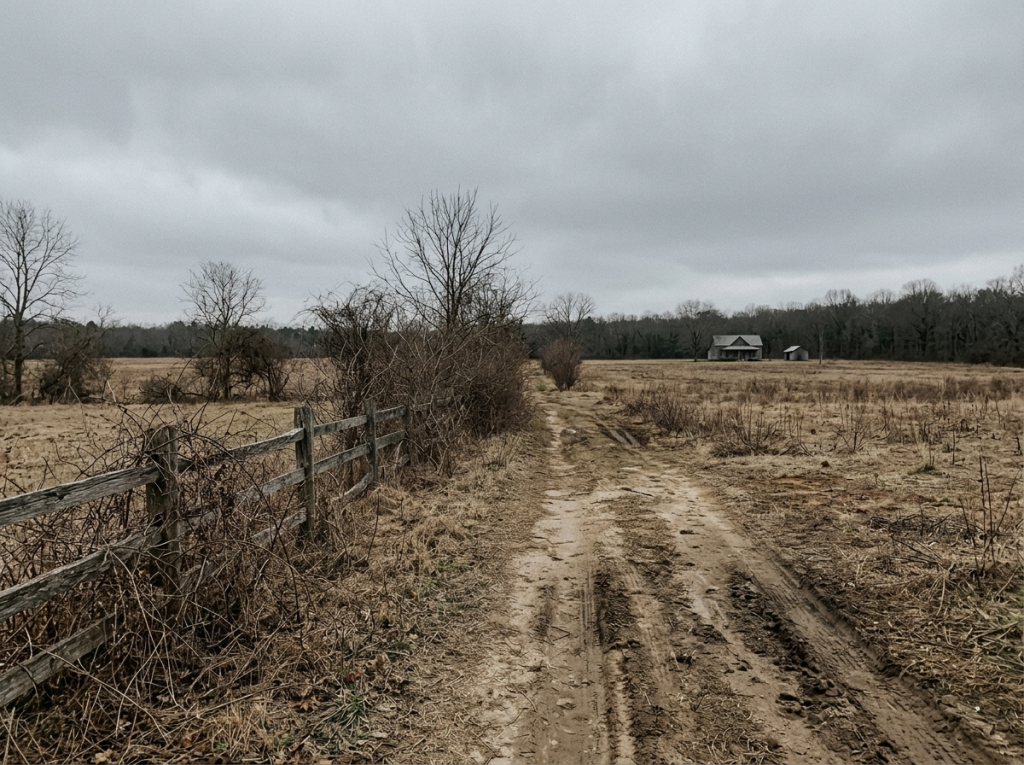
Nobody sat down and named the thing. The dispatch called it a strange animal, and the people who lived with it would have called it worse. Somewhere between the farms and the newspaper it picked up the word beast, and the screaming stuck to it, because the screaming was the part nobody could argue with. A man can doubt a glimpse in the dusk. He cannot doubt what he heard across three farms.
Blackburn is farm country, a short drive from Florence, where the roads were laid to reach the fields and not the other way about. Folks there knew each other's mules by name. A thing that frightened one yard frightened the next by supper, and by the weekend it was the only talk at the store.
The name that survives is the one in the record: the Screaming Beast of Blackburn. It has no first name and no title, and no one has bothered to give it a grander one. It had a shape, a colour, a mark and a sound, and that was plenty to keep a community awake through the tail end of a winter.
3 How Witnesses Describe It
The people who described it began with the size. A big dog, they said, and none of them went further than that. A big dog is an ordinary sight in a Lauderdale County farmyard, and maybe that is why the rest of the telling holds the ear.

The coat was reddish brown. Plenty of hounds are that colour, and so is the broom sedge standing dead in the fields in February. Then came the white streak at the throat. People who spoke of it spoke of that streak, the one thing about the animal that was its own.
The voice is where they went quiet. The scream sounded like a terrified woman. That is how they put it, the way a person does who has heard that sound once and did not care to hear it again. One neighbour told it as a kind of apology: she had gone to her own door twice that week, sure some woman was in trouble out on the road, and both times there was nobody to help.
And it carried. A mile or more, they said. Out there that was a known distance. The Tuckers were a mile down the road from the boy's family, and a boy sent with a pan of cornbread could walk it in the time it took to say the Lord's Prayer twice, with some to spare if he was frightened.
4 Where and When It Turned Up
There is no courthouse square to point to, no bridge, no church, no landing on the river. The sightings were on farms and back roads around Blackburn, and not at any one public place. Each family had its own piece of it: somebody's back pasture, somebody's lane, somebody's mule lot at dusk.
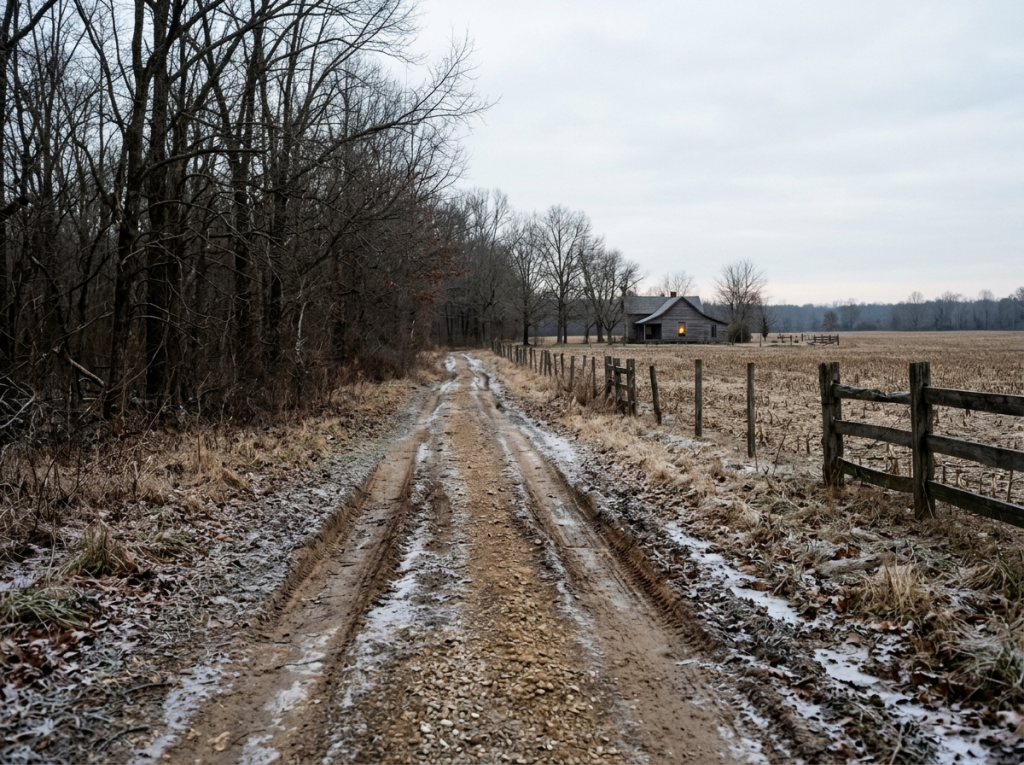
So a visitor has no marker to stand beside. He would have to stand in a dozen places along a dozen roads and still not be sure which one was right. The Blackburn beast belonged to the whole neighbourhood and to none of it in particular, the way weather belongs to a county.
The season was February 1912, when farm families are in by lamplight and the stove is the best seat in the house. After supper the talk dies down and the dishes are done. A scream that carries a mile wants a night that still, and February in north Alabama has plenty of them.
By the twenty-fifth the Montgomery Advertiser had it in print. It ran as a report from one small corner of the state, the Blackburn beat of rural Lauderdale County, near Florence, and it was written as news about a strange animal. No ghost was named in it, and no curse.
5 How It Behaves
The mule lot at dusk is where it gets told best. The lantern sits on a post, the rails creak, and the mule stands rigid in the corner of the lot with her ears back, looking at nothing the family can see. Out past the fence line the light gives out, and that is where the screaming starts.

The dispatch says only that it frightened the neighbourhood. What the neighbours kept was the sound. It was loud enough to cover a mile or more and shrill enough that people took it for a woman in terror, and nobody who heard it forgot it.
Some of them settled on the Bell Witch of Tennessee, supposing the old haunting had stepped over the state line into Alabama. The Bell Witch was the biggest tale anyone near Florence knew, and when something new and loud turned up in the dark, folks laid the old story over it. The dispatch itself went another way. It described a flesh-and-blood animal, and left the witch out.
A mother in the community might have put it this way, years on, with the dishes dried and put away. You stood in the kitchen with your hand on the door latch. You told the children to stay in their beds. You did not light another lamp, as though a lamp would call it nearer. And in the morning the road looked like a road, and the mule was in her corner, still watching the fence.
6 Telling It From Other Things
A night, told start to finish by someone who was there, goes about like this. Supper is over and the hound is under the porch, where he has lain since dark. The scream comes from the east, and the hound flattens himself to the boards. Father takes the lantern to the door and stands in it. Nothing is seen. The scream comes again, and from farther off, down toward the Tuckers' side of the county. Then it stops, and the house waits a long time before anyone says a word.
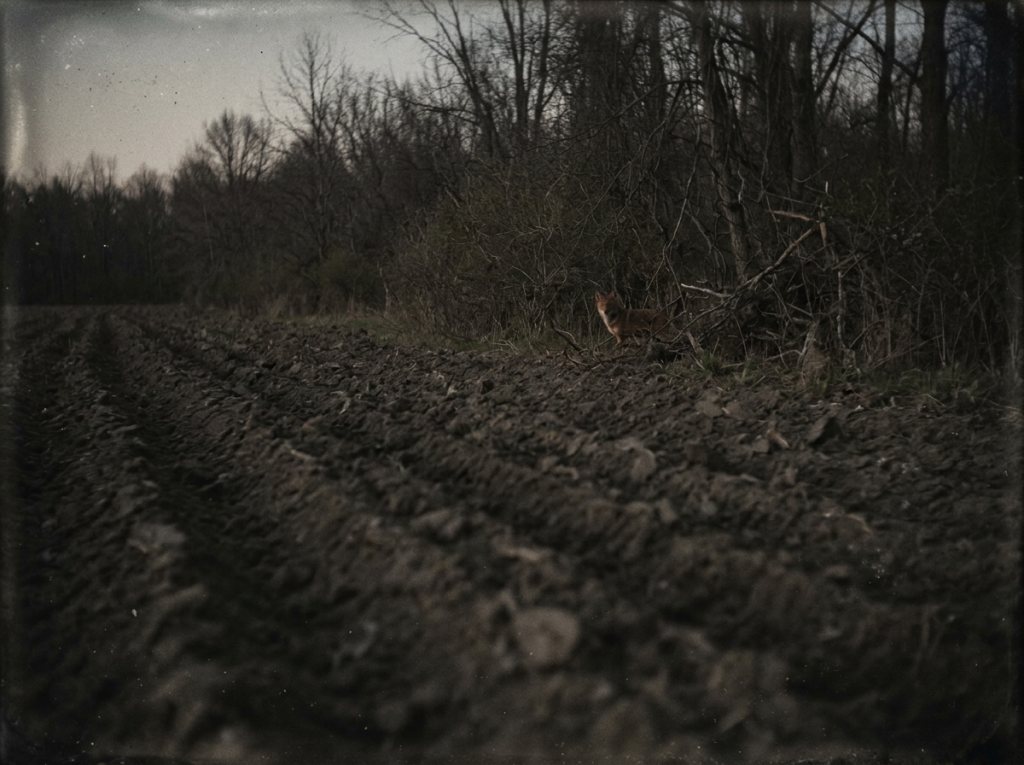
Old Mrs. Tucker had her answer ready the next morning, and it was the Bell Witch. A few other residents agreed with her. She was not wrong to reach for it. It was the oldest frightening story in reach of the valley, and a scream out of the dark wants an old name to put on it.
The report itself did not agree. It spoke of a strange animal, and the people who gave the description gave it a body, a coat and a white throat. A witch has no use for any of that. This thing had all three.
The porch grew quiet on the subject after a while. Somebody would say the word witch, and somebody else would say the word dog, and then a man would go in to see about supper.
7 How the Story Holds Together
Hold the pieces in your hand one at a time: a big dog, a reddish coat, a white streak, a scream, a mile, a month, a place. The scream travels as far from one yard as from another, and the dog wears the same coat at the Tuckers' as at the next farm over. Nobody in Blackburn is on record quarrelling with a neighbour about it.

It is told from many porches, but it belongs to one set of back roads and one cold stretch of 1912. The mule in her corner, the dishpan, the cornbread and the lantern on the post all come from the same few miles of Lauderdale County.
Some folks wrapped the Bell Witch around the whole thing. The grand old Tennessee haunting, they said, had come across into their county. The paper did not follow them, and the dispatch kept to the animal. But a thing that screams out of the dark at a whole neighbourhood is likely to put people in mind of the oldest stories they know.
Then the paper is folded and set aside, and the lamps are lit along the road, one farmhouse at a time. A big reddish dog with a white throat stands at the edge of the road, and out past it the mule is waiting in the corner of the lot.
Sources
Field Guide is drawn from the legends as they are recorded. Its first-hand account is imagined. Its pictures are imagined scenes.