
Wampus Cat is told of in Alabama and Tennessee.
Where it is told
Field Guide
The Wampus Cat of Walker and Cleburne
A bear that wasn't quite a bear in the Sipsey woods, and a wartime wolf-and-lion cross up on Cheaha, both going by one old name.
How to know it
- Size
- Large, and big enough that the first people to see it in Walker County thought bear.
- Build
- Cat-like features on a body that goes on four legs; the Cheaha story says it descends from a mountain lion crossed with a gray wolf.
- Movement
- It travels on four legs but can rear up and stand upright.
- Sound
- A scream, which is the part of the Sipsey stories people remember best.
- Where
- Around the community of Sipsey in Walker County, and in the forests around Cheaha Mountain in Cleburne County.
- Where else
- Rumours of big cats and hairy giants have drifted from Sipsey toward Jasper.
- When
- Reported in the 1940s and again in 1967 at Sipsey; the Cheaha story starts in the Second World War.
- Habits
- It prowls the woods, and one man said in 2015 that something attacked him there.
- Mistaken for
- A bear, at first.
- Also called
- The Swamp Cat around Sipsey, and the Wampus Cat in both places.
1 Sipsey Woods, Walker County
I'll call him Delmer, since he never cared for his name in print. He was a boy in 1967 on a place outside Sipsey, and he is an old man now. He tells it plainly, with his hands flat on his knees.
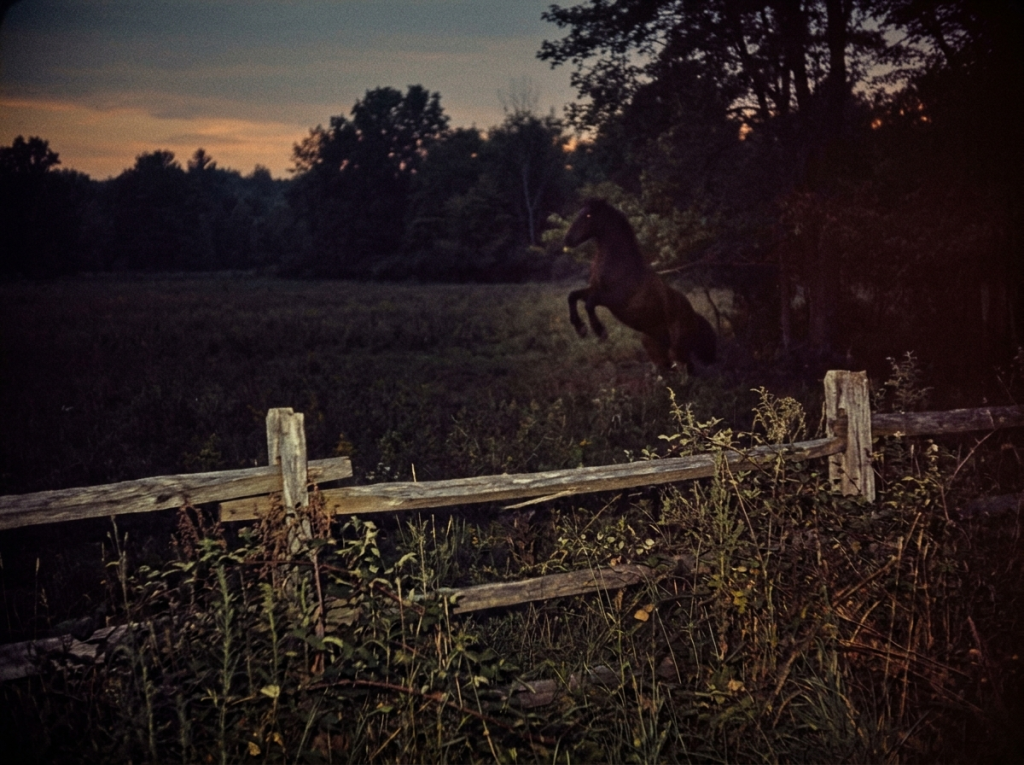
"We'd all heard there was something back in those woods, and my daddy said it was a bear and to leave it be. So when I saw it, that's what I told myself. Big, dark against the trees, moving on all fours down the edge of the field. A bear, I thought, and I was glad it was going away from me.
"Then it stopped, and it came up. I mean it stood up on its hind legs like a man would, and I'll tell you a bear does that, I've seen it. But the head was wrong for a bear. The way it carried itself was wrong. Something about it was cat. I couldn't have told you what, and I still can't. I just knew it, the way you know a face.
"Then it screamed. I have heard a lot of things in those woods in all my years. That scream is the one I'd know in my grave. I don't remember running. I remember my mother's porch light and my own breath.
"Daddy still said bear. But my granddaddy had told us it was around in the forties, and he never called it a bear. He called it the Swamp Cat, and he said it with a straight face."
2 What They Call It
On a porch around Sipsey, on a warm evening, the chairs get pulled into a half-circle and somebody's uncle points at the treeline. Ask what lives out there and you get an argument. The youngest says Wampus Cat, the way you'd say it at a campfire. The oldest says Swamp Cat, and says it quieter, like a name he got from his own father and never saw reason to change.
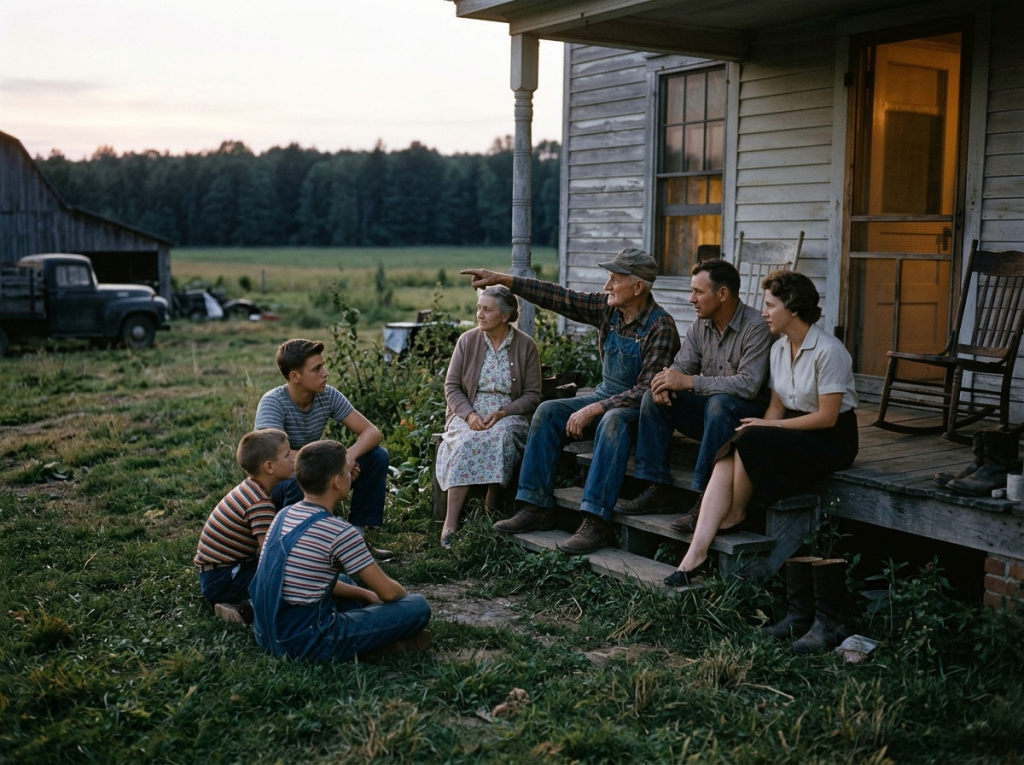
Both names get used in Walker County, and the families will tell you the animal answers to either. Nobody on that porch starts with the name, though. They start with something big. Delmer's family started with a bear. When the bear wouldn't hold, they talked about cat features, and only after a good while of that did anybody say Wampus Cat out loud.
Over in Cleburne County the same name turns up in a different mouth. The story told around Cheaha Mountain takes the wampus cat, the old cat-like terror of mountain folklore with its Appalachian and Cherokee roots, and hands it a new history. Nothing on a porch in Sipsey sounds like that history. It has a war in it, and a government.
So one name covers two animals. One is a thing a boy saw at the edge of a field. The other is a thing a hiker heard about from somebody who heard it from somebody else.
3 What Witnesses Say They Saw
Ask a Sipsey family about the body and the talk slows down. A large animal, the first witnesses said, and large enough that they took it for a bear. They weren't guessing at shadows. They saw something that size move across open ground and gave it the biggest name they had.
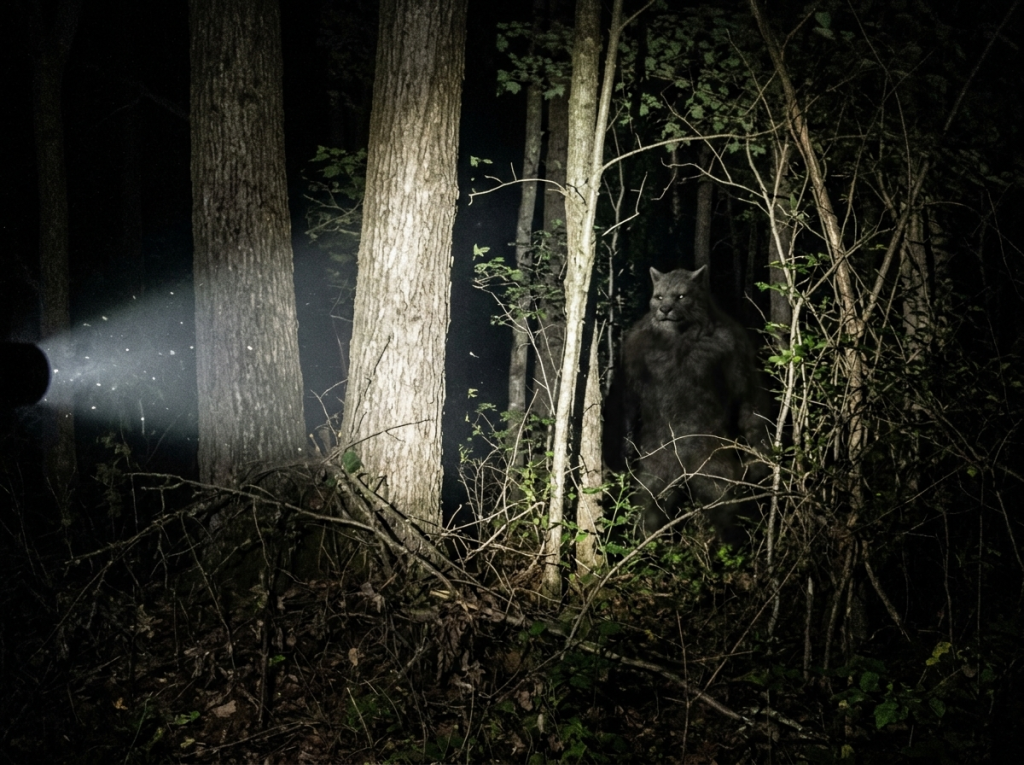
Then the families kept talking, and the bear wore off. Cat features took its place. Nobody in those stories says exactly which features. One person says the head sat wrong, another says it was the way it moved, and a third just says cat and stops, like Delmer with his hands on his knees.
The legs are the part nobody can settle. It goes on four, the way a bear or a cat would. But it can rear up and stand, and a person at the edge of a field watching that happen stops having a tidy opinion. It is easy to see how a big cat that stands like a man turns, a few miles down the road, into talk of hairy giants.
And then the scream. Fur and head and height wander from one telling to the next, but the scream stays put. People who can't agree on what it looked like can all tell you what it did to their evening.
Up on Cheaha nobody describes it standing in a field. What they have is a parentage. During the Second World War, the story says, the government tried to cross a mountain lion with a gray wolf to make a super-animal, and a breeding pair got loose. Take that at its word and you're hunting something with cat in it and wolf in it, which is an odd thing to find walking a ridge.
4 Where and When It Turns Up
Sipsey sits in Walker County, and the accounts there come from private land around the community. These are people's farms and woodlots, and the stories belong to the families who live beside them. Strangers don't walk in and find the animal. They get told about it, if they're asked in, and the families have been telling it a long time.
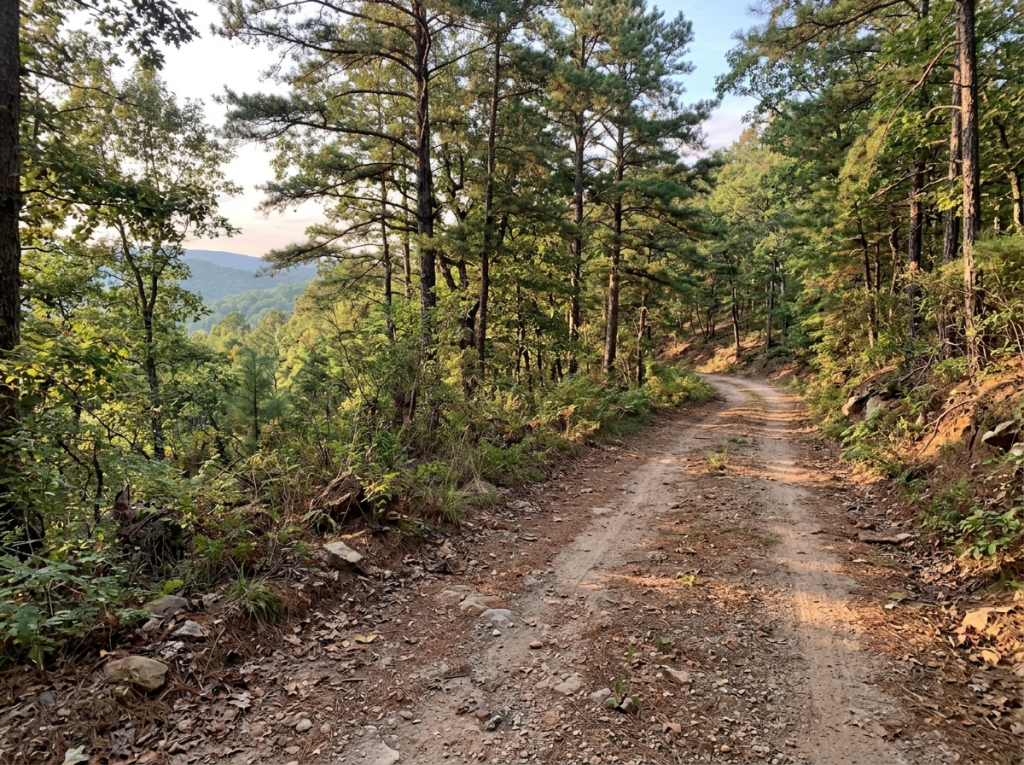
There were reports in the 1940s, and then another run of them in 1967. Delmer is the link. A boy in 1967 had a grandfather who knew it in the forties, and the Swamp Cat came down to him that way, as a name before it was ever an animal he'd seen. Rumours of big cats and hairy giants have drifted from Sipsey toward Jasper, getting less exact the further they go.
Then in 2015 Animal Planet aired a special, I Was Bitten: The Walker County Incident. A man on it said something had attacked him in these woods, and the old stories were being talked about again.
Cheaha is a different place with a different story. Cheaha Mountain, in Cleburne County, is the highest point in Alabama, up in the Talladega Mountains. A woman I'll call Renee told it to me at an overlook with a thermos in her hands, the way she had it from a friend of her father's who walked the ridge trails.
"The way I heard it, it was the war. They wanted something that could out-fight anything, so they took a mountain lion and a gray wolf and tried to make one animal. A pair of them got out. Up here, somewhere. And their descendants are still up here, that's how he told it. You walk the trail long enough and you start to feel it. He never said he saw anything. He said you feel it."
She laughed when she said it, and she looked at the trees anyway.
5 What It Does
For all the talk, the Sipsey animal does very little. It walks. It stands up. It screams. The one account of real harm is the man in the 2015 special, who said something attacked him in these woods. Beyond that, people tell you about seeing it and hearing it, and about wanting to be somewhere else.
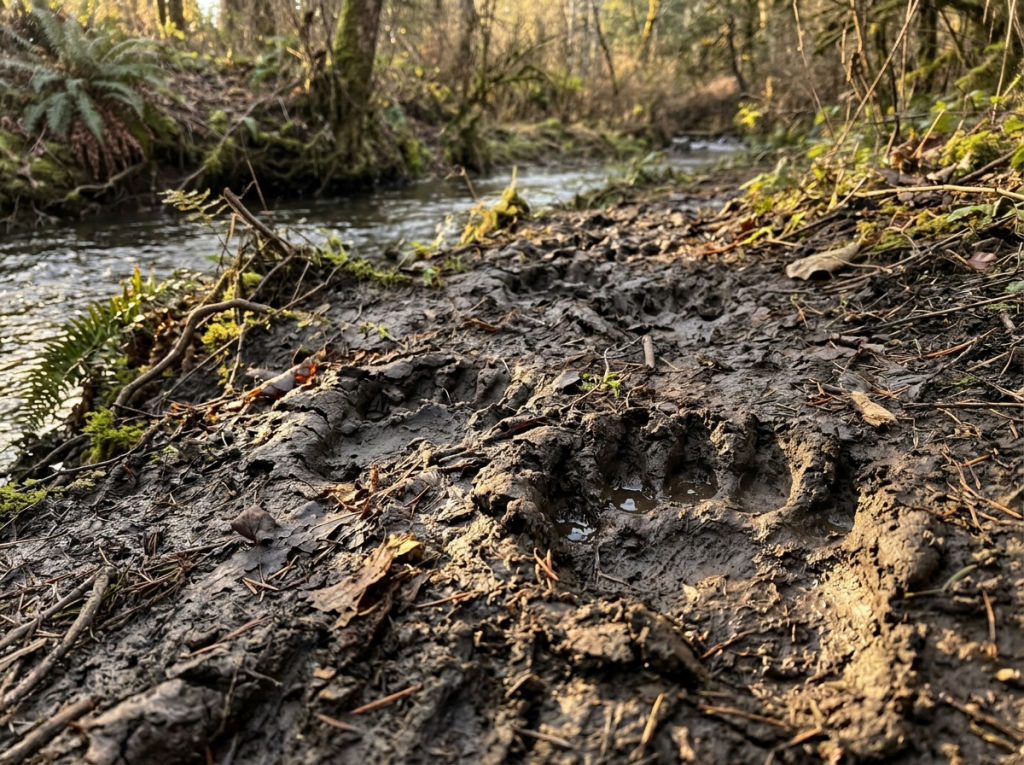
The morning after Delmer's evening, he says, he walked down to the creek with his father. The ground there was soft, and they stood over it a while. His father said deer. Delmer says he looked at the mud and didn't know what he was looking at, and nobody asked him to put it in words. They walked back up for breakfast.
That is all the proof Sipsey has. A boy at a creek bank, a father with a one-word answer, and a scream nobody forgot.
Cheaha's animal does even less in the story. It prowls. The descendants prowl, that is, and the word carries the whole of what they do. It is in the woods the way a rumour is, assumed more than met. Renee's father's friend never saw anything. He felt it on the trail, and he said so, and that was the whole account.
Neither animal is said to chase a man across a field. One screams in the dark and one waits in the telling, and people on both sides have been willing to leave it at that for a long time.
6 Telling It From Other Things
Start with the bear, since that is where every Sipsey story starts. A bear is the sensible guess for a big dark animal moving on four legs, and it was the guess the first witnesses made. Delmer's father held to it for the rest of his life. What spoiled the guess for the boy was the head, and the way the animal carried itself once it stood. Bears do stand, so the standing alone proves nothing. It was the standing and the cat together that sent the family back to the grandfather for a better name.
Take the dog next, which is the easy mistake on Cheaha, where the pedigree has wolf in it. Picture a gray shape on a ridge trail at the far end of the light. A story that puts a gray wolf in the family tree makes you see a dog, and then wonder what kind of dog. But the same story puts a mountain lion on the other side, so you're looking for something with a dog's frame and a cat's face, or the other way around. Nobody in the tellings gives a measurement.
Then there is the man in the dark. An animal that rears up at the edge of a field is what a person might see and take for a man, or for something bigger than a man with fur on it. That may be where the hairy giants around Jasper come from. A bear on its hind legs could do that, and so could a stranger at the fence.
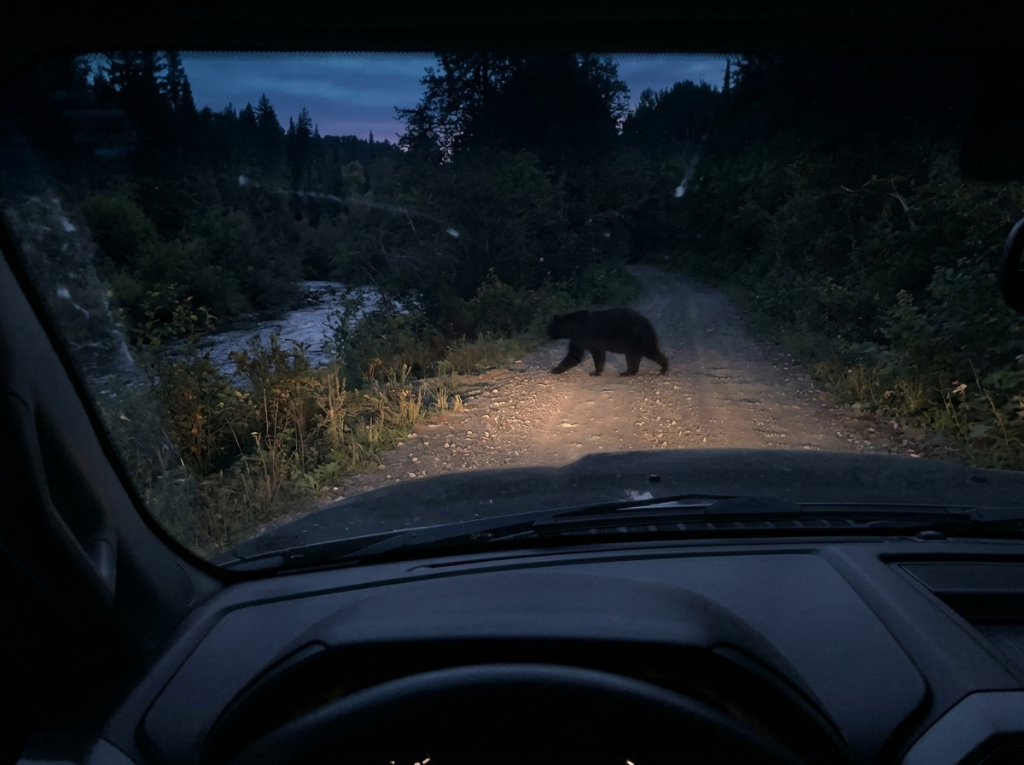
Picture yourself on a gravel road at dusk, the headlights half-lit, a broad dark shape crossing toward a creek on four legs. You'd say bear. Most people would. The families around Sipsey would say it too, until it stopped in the road and came up.
7 How the Stories Fit Together
The two legends sit in different counties and tell different tales, and they still share a name. Both are set in rough, wooded Alabama hill country. Both are about a large, cat-like thing that gets talked about more than it gets caught.
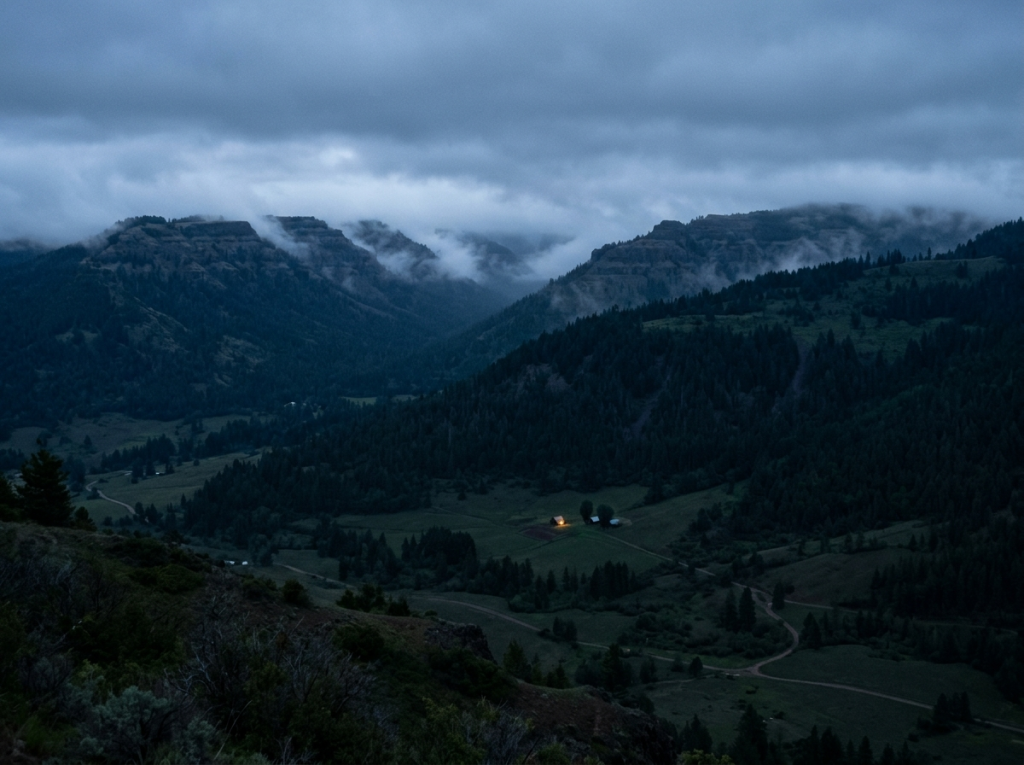
The Sipsey story is the one with a face in it: a boy, a field edge, a granddaddy who kept a straight face, a scream that outlasted the years. It lives on private land with the families who keep it. The Cheaha story is the one with a cause and a date. It comes with a war, a mountain lion, a gray wolf, and a pair that got out.
They share a little more than the name. The 2015 special brought Walker County's stories back up, and the man on it said something had attacked him. Up on Cheaha, a woman at an overlook will tell you her father's friend never saw a thing and felt it anyway.
If you're going to read them, start with the Sipsey Creature, for the field and the porch light and the scream. Then go up to Cheaha, for the wartime cross and the highest ground in Alabama. In one place somebody swears they saw it and in the other somebody swears it's up there, and neither county has ever said the animal isn't out in the dark right now.
Sources
Field Guide is drawn from the legends as they are recorded. Its first-hand account is imagined. Its pictures are imagined scenes.