
Lake Guntersville Shark is a figure of Alabama folklore.
Where it is told
Field Guide
The Lake Guntersville Shark
A three-foot saltwater fish keeps turning up dead beside an Alabama lake, and the people who find it have never agreed on how it got there.
How to know it
- Size
- About three feet long in the 2008 find; the 2012 find gives no length.
- Movement
- None to speak of; the 2008 one was floating near a dock, and the 2012 one lay on the bank.
- Where
- Lake Guntersville in Marshall County, the dock, the bank and the boat ramp.
- Where
- A Tennessee River landing in Morgan County, for the 2015 copy.
- When
- July 2008 and July 2012, both in the hot part of the year, and again in 2015.
- Habits
- Dead every time it is found, and never seen alive.
- Habits
- The 2008 shark had a bass lure in its mouth.
- Mistaken for
- A bull shark, the first name state officials gave it, before a marine biologist called it an Atlantic sharpnose.
1 A Boat Ramp at Guntersville
I go down to the ramp in July now, early, before the heat, with a thermos and no plan. I have fished that lake most of my life and I know the ramp like my own kitchen: the crack in the concrete, the post somebody is always clipping with a trailer, the smell of wet rope.
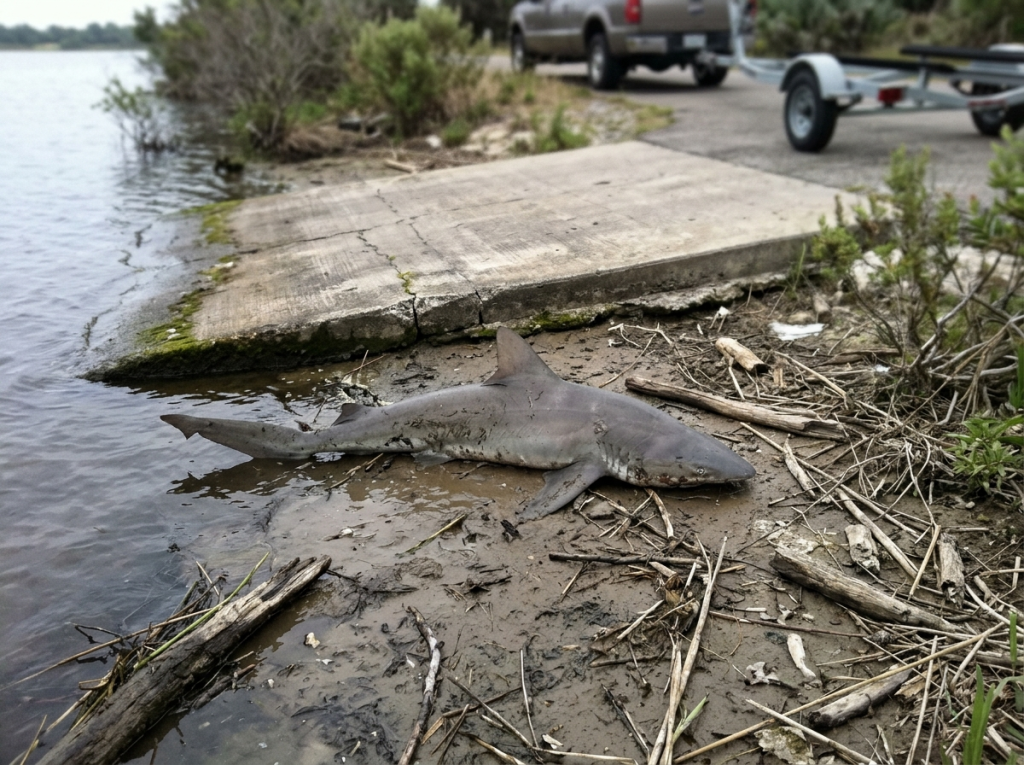
The second shark was found along the bank from where the trucks back in, in July 2012. I wasn't there that morning. I have only stood where it was said to lie and looked at the mud, which looks like any mud. Still, I can see it. A small gray shape on its side, a long way from any salt water, and the kind of wrong you notice from across a field, the way you notice a stranger's dog in your yard.
A state park naturalist came out and found it had been dead a long time. Then the police came and used the word I would have been too polite to say. Hoax. I have put a lot of hooks in that water and never had a shark on one, so I did not argue when I read it.
I sit on the tailgate with the coffee going cold and try to work out the trip it took. Somebody had to bring that fish a long way, and my guess is a cooler and a truck bed, though nobody has said so. Then somebody had to pick the spot, a place where a man like me would trip over it. It is a great deal of trouble for a laugh. I haven't decided whether I admire it.
2 What They Call It
Nobody I know at the ramp reaches for a grand name. It is the shark, or the lake shark, said the way you would mention a cousin who once did something you can't forgive and can't stop retelling. The name on the record is plainer still: a shark in a freshwater lake, where the Tennessee River spreads into the big water in Marshall County.
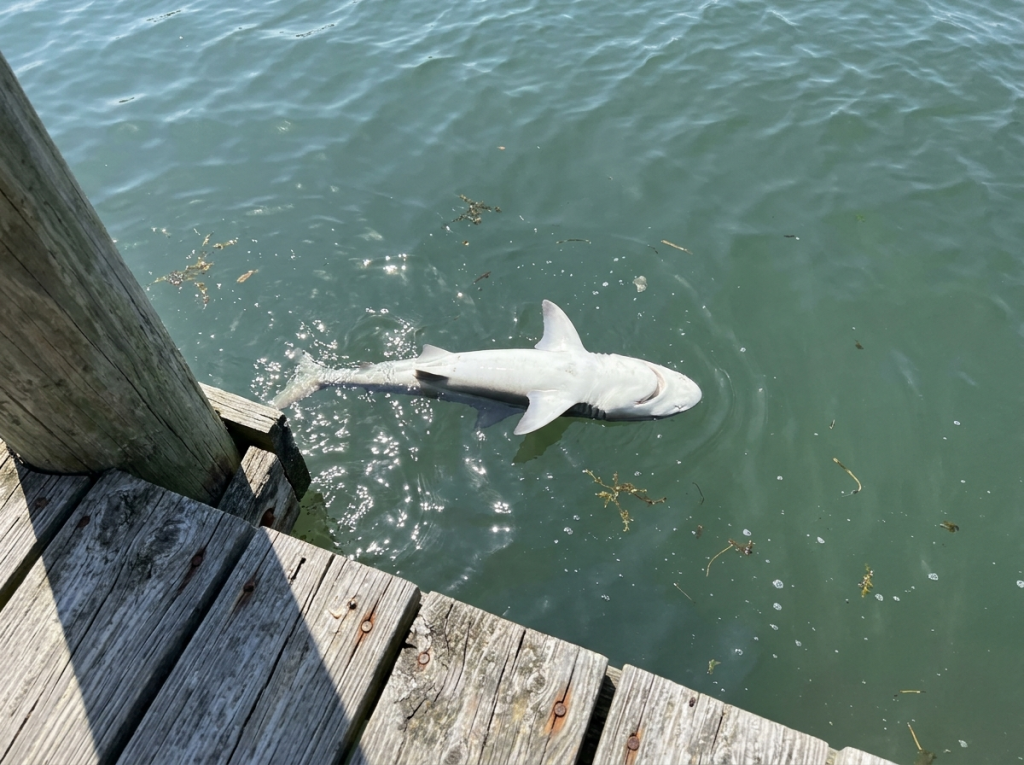
In 2008 the name was bull shark. State officials gave it after a Jackson County teenager found a dead three-foot fish floating near a dock. The bull shark is the one known to travel up rivers, so it was a fair guess, the sort a sensible person might hold for a day or two.
Then a state marine biologist looked closer and changed it to Atlantic sharpnose. That is a saltwater fish, and a smaller, plainer one than the fish people had pictured. Conservation officials said somebody must have put it in the lake. So the fish had a name now, and nobody had an answer for how it got there.
In 2012 the word was hoax, and it came from the police. In 2015, at a landing on the Tennessee River in Morgan County, the find was called a similar prank shark.
I can guess how the talk goes at a bait counter. Nobody argues about whether the thing was real. They argue about whose cousin did it, and I would bet somebody has a theory about the ice.
3 How Witnesses Describe It
The best look anyone has had was in July 2008, near a dock on Lake Guntersville. A teenager from Jackson County found it floating there. It was dead, about three feet long, with a bass lure in its mouth.
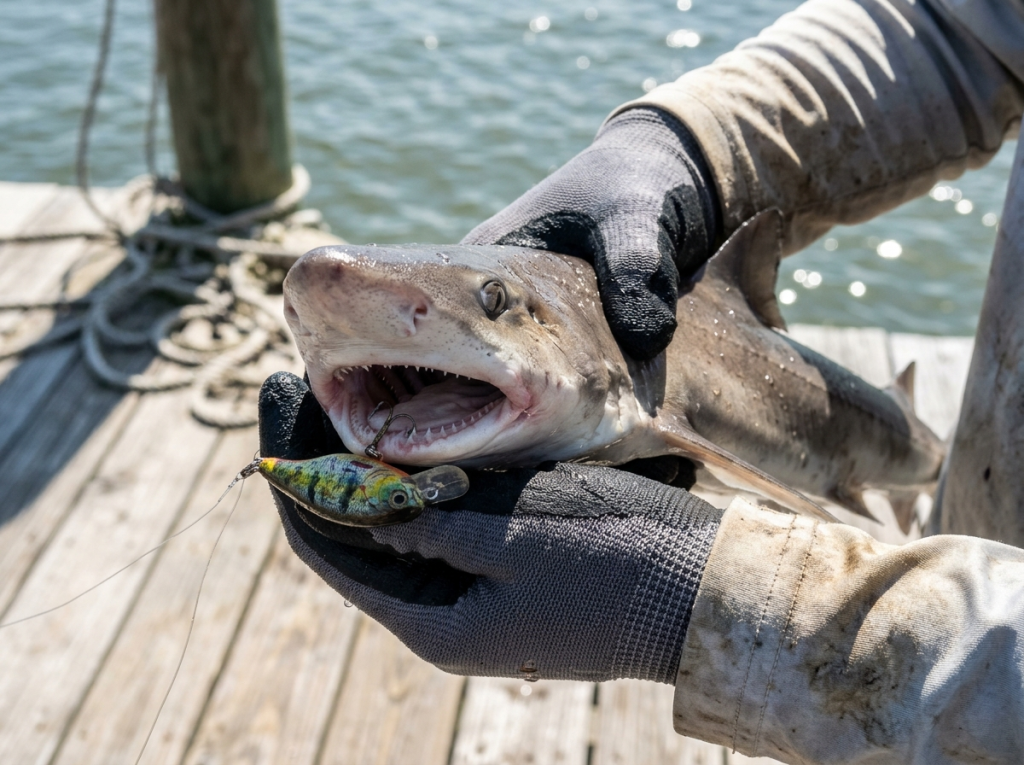
I think about that lure more than the fish. I like to picture the boy standing over the water and seeing something pale turn slowly below the boards. I picture him taking it for a gar or a big carp. That part is mine, not the record's. But the lure is on the record, hanging in the mouth, and the boy had to have come to terms with it.
Any fisherman reads that lure at once. A shark that took the wrong bait in the wrong lake is a funny picture. A shark carrying somebody's tackle to a public dock is a picture that goes the other way, and it does not hold up long.
The 2012 shark gives much less. It lay on the bank near a boat ramp, and the naturalist found it had been dead a long time. No length or color comes down with the story. All that is left is a shark, a ramp, and a fish that had been dead well before anyone stepped over it.
The 2015 find at the Morgan County landing is described only as a similar prank shark. That is a copy of the first two, and copies are generally short on description.
4 Where and When It Turns Up
Go to the lake in July and walk the edge, and the places on this list are not hard to find. Lake Guntersville, near a dock, July 2008. The same lake, on the bank by a boat ramp, July 2012. A Tennessee River landing in Morgan County, 2015.
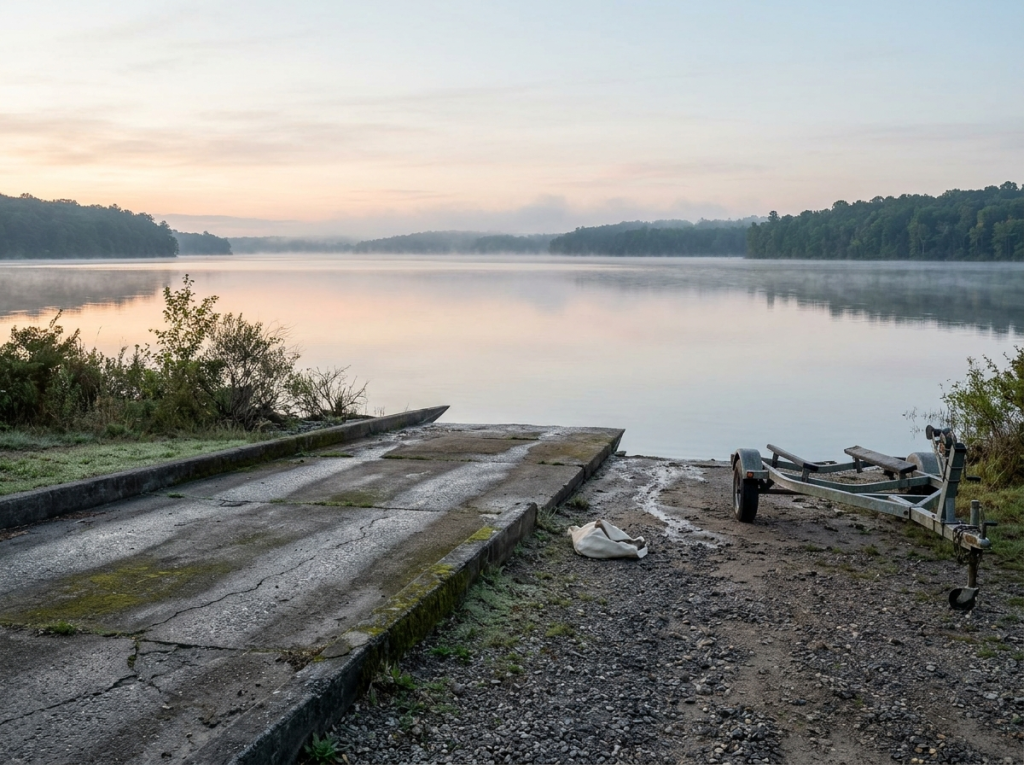
A dock, a ramp, a landing: all of them are built for boats. People walk them every morning, so a dead fish left there would not stay unseen for long. The tellings say nothing of a shark in open water, or one pulled up on a trotline in the dark. These came ashore where somebody with a coffee would walk up.
July turns up twice. On the bank at ten in the morning in July the lake is full of trailers and coolers and kids, and the heat does its work on anything left out. The tellings I have do not give a month for the 2015 shark, so I won't guess one.
The Marshall County finds sit on the big water at Guntersville, and that much is plain on any map. The 2015 landing is on the same river, in Morgan County. The tellings give the town and county for the lake and for the landing, and no more than that about the third.
5 Telling It Apart
Say you come on a small dead shark beside a Guntersville dock. The first thing it will be mistaken for is a bull shark, because that is what the officials called the first one, and it makes a tidy story of a fish that swam up from the Gulf. The marine biologist said otherwise. An Atlantic sharpnose is a saltwater fish.

Next, you might take it for a lake fish. A bass belongs in this lake and a shark does not, but a lure in the mouth proves nothing about either one. The 2008 find had a bass lure in its mouth, and that has talked more than a few people into thinking the fish lived and fed here.
Last, you might ask whether it was ever alive in that water. Conservation officials said it must have been put there. The naturalist said the 2012 one was long dead, and the police called it a hoax. What came ashore were small, dead, saltwater fish, lying close to a ramp or a dock. How long one might have lasted in the lake, nobody I have read says.
I would not touch one with bare hands. Anything that has lain dead in July sun has its own opinion of you.
6 How the Stories Connect
At the ramp the story gets told in one order. It starts with the Jackson County teenager and the lure, goes on to the naturalist and the long-dead fish on the bank, and ends at the Tennessee River landing in Morgan County, where the thing was hardly news at all. People tell it with a grin.
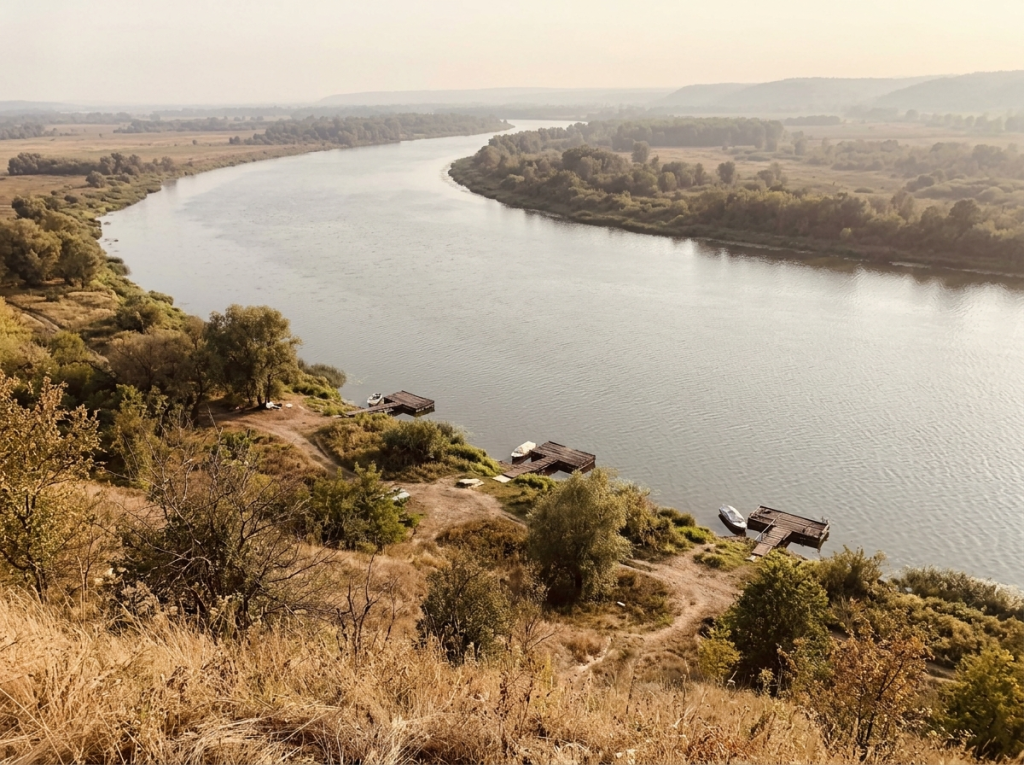
Each telling takes its word from somebody different. State officials had bull shark and then sharpnose. The conservation people said someone must have put it there. The police said hoax. By 2015 the third was a similar prank shark, and the tellings do not show anybody losing sleep over it.
Two finds were on Lake Guntersville in July, four years apart. The third was on the Tennessee River in Morgan County, three years after that. Tell one and the other two come up in the same breath, and that is how the three get told together.
The tellings I have name nobody who put a shark in the water. They give a dock, a bank and a landing, and a lure that somebody once cast for bass. The lake is still a freshwater lake, and on a July morning the ramp is busy with trucks.
Sources
Field Guide is drawn from the legends as they are recorded. Its first-hand account is imagined. Its pictures are imagined scenes.