
William Grancer Harrison is a figure of Alabama folklore.
Where it is told
Field Guide
Grancer Harrison, Who Never Called It a Night
Long after a Kinston man’s Saturday dances ended, people told of hearing a fiddle and dancing feet near his grave.
How to know it
- Sound
- A fiddle and feet keeping time, heard near his grave.
- Where
- Near the grave of William "Grancer" Harrison, around Kinston in Coffee County, Alabama.
- When
- Long after the dances ended.
- Habits
- He was known around Kinston for Saturday dances.
- Burial
- The story says he was buried in his dancing shoes.
1 Heard from the Kinston road
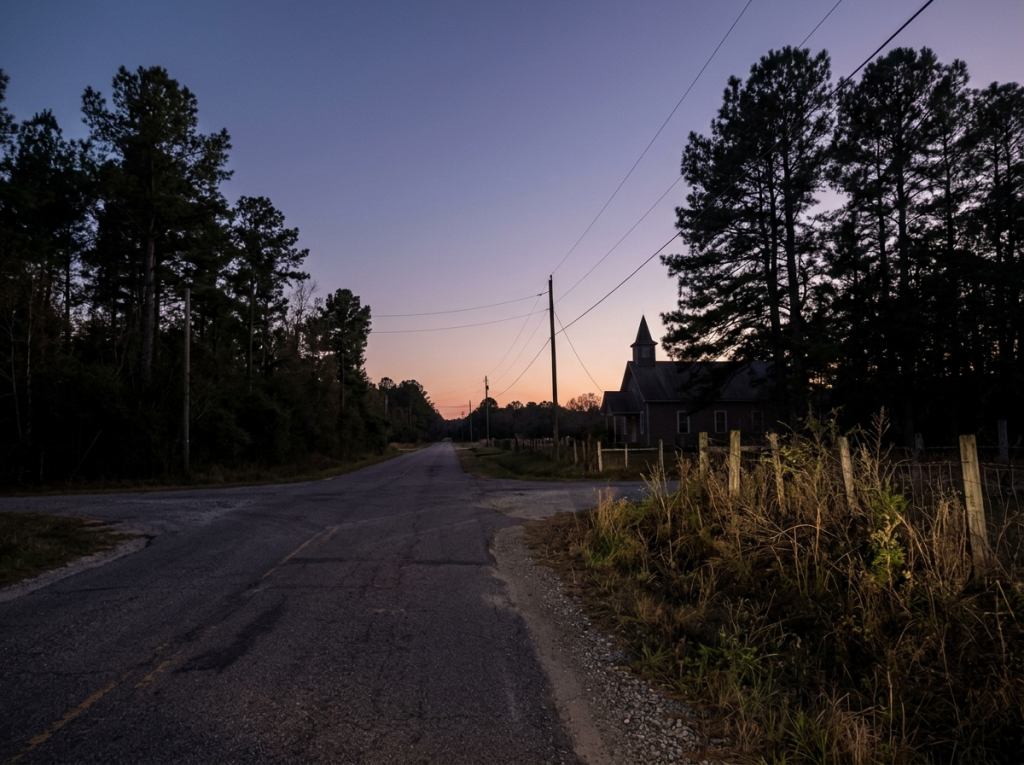
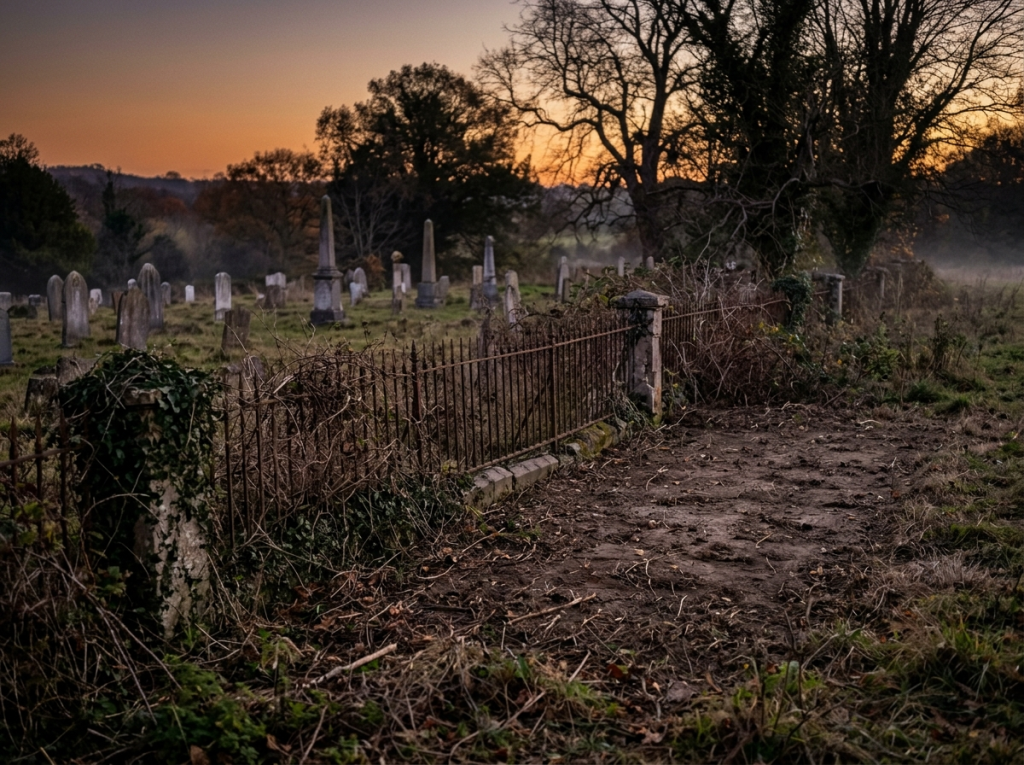
I like to imagine a boy and his uncle walking past a burying ground near Kinston one Saturday night. They have come to bring a heifer home, but the uncle stops and holds up a hand. The boy thinks he has heard the heifer.
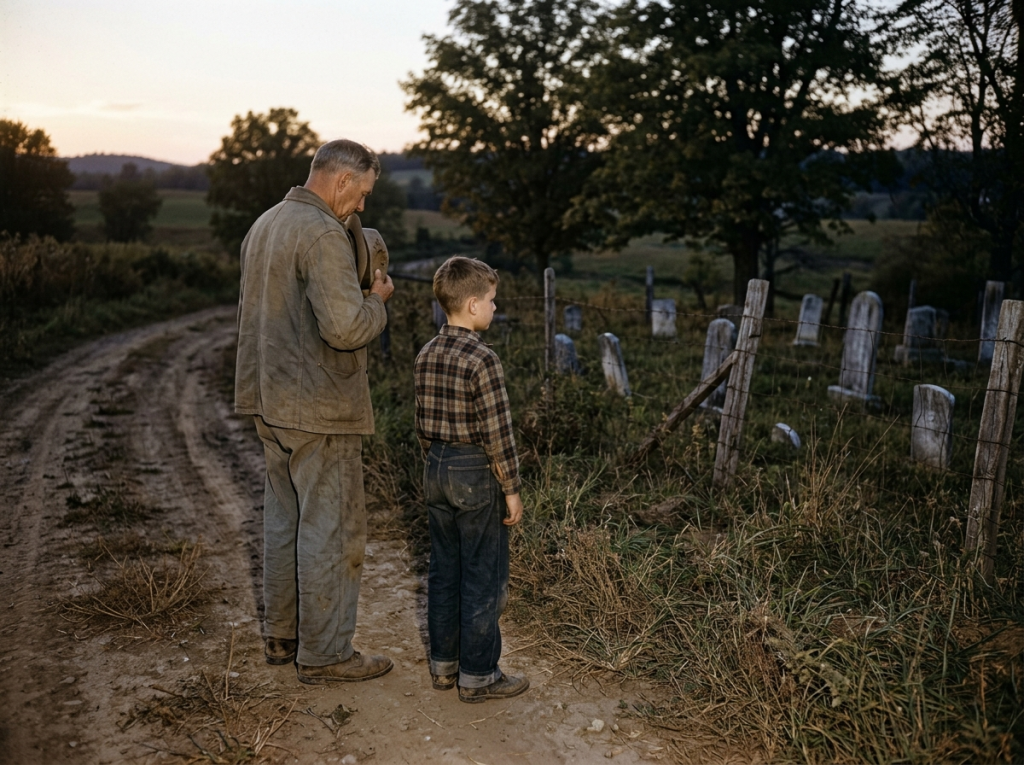
Instead, there is a fiddle in the distance, and beneath it a sound the boy cannot place. His uncle listens.
2 William on paper
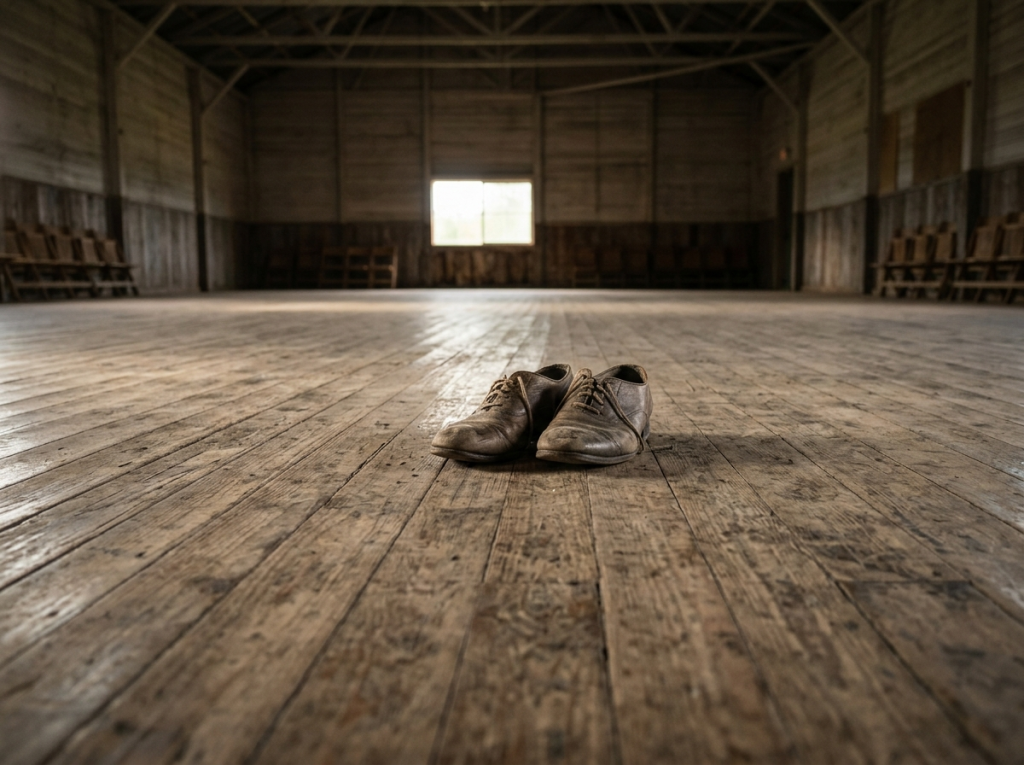
Before I tell you what the uncle says, there is a story he knows. William Harrison, known as Grancer around Kinston, was known for his Saturday dances. The story says he was buried in his dancing shoes.
3 What got heard
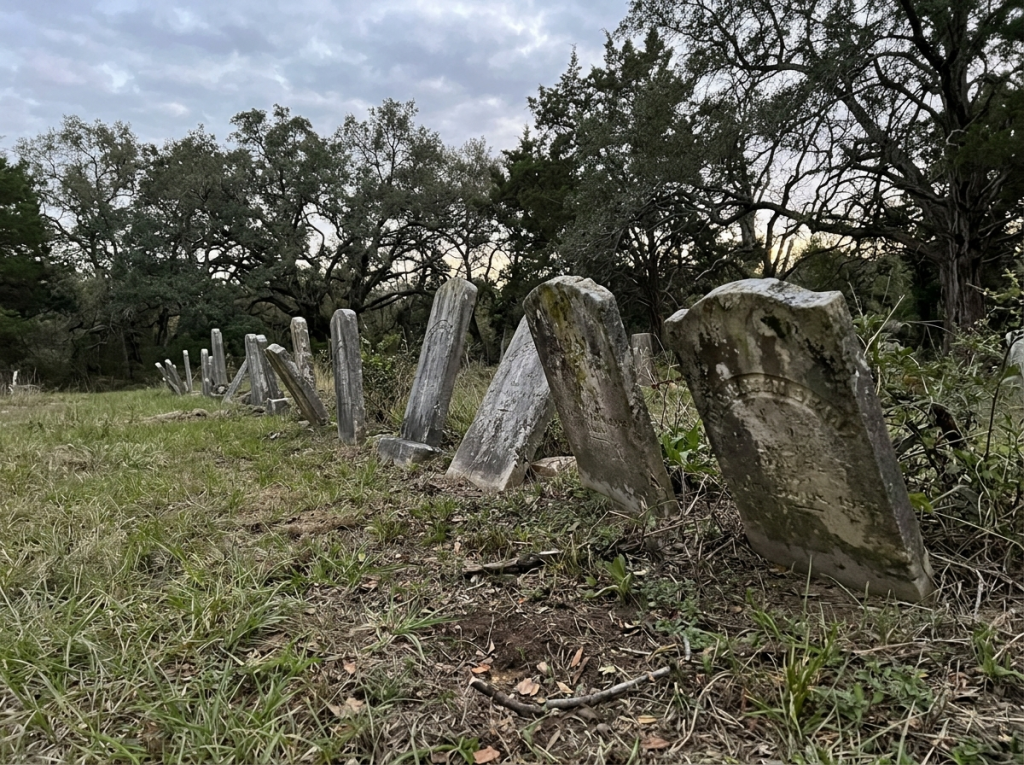
Long after the dances ended, people told of hearing a fiddle near Grancer’s grave. They also heard feet keeping time, as if he had never called it a night.
4 Where the music is
In my imagined scene, the uncle knows that story. He takes off his hat as he listens beside the graveyard.
“Those are feet keeping time,” he tells the boy. “That’s Grancer.”
5 The shoes
The boy looks toward the stones, trying to make out who is there. He can hear the fiddle and the feet, but he sees no one.

His uncle tells him about Grancer’s dancing shoes, and the boy listens until the tune is carried away on the night air.
6 Not calling it a night
The boy and his uncle do not go closer. The uncle puts his hat back on, and they walk on to fetch the heifer. She is where they left her, chewing.
Sources
Field Guide is drawn from the legends as they are recorded. Its first-hand account is imagined. Its pictures are imagined scenes.