
Goddess of the Tennessee is a figure of Alabama folklore.
Where it is told
Field Guide
The Goddess of the Tennessee
She is a prisoner under the rushing water at Muscle Shoals, and the weather in Colbert County is how her lover keeps her company.
1 Muscle Shoals, Colbert County
A man I'll call Harlan Pruitt was eighty-one when he told it, and he had never left the county for longer than a church trip. He said he first heard about her before he was ten. His grandmother told him on a bank above the Tennessee, the summer before they started on the big dam. The water made its noise the whole time, so she had to lean close and say it twice.

"She said there was a lady under there," Harlan said. "Beautiful, and shut in. Been shut in since before there was a world to speak of, right under where the river runs hardest."
He remembered the shoals before the work changed them, white and loud over the rock. His grandmother pointed at the shells along the edge. "Those were fish once," she told him. "Magic fish, mussels. They piled up and made all of that." He said he looked a long time for the lady. He didn't see her, and his grandmother didn't mind.
What she did make him watch was the sky. On an evening with a small wind coming down the river she would stop in the middle of a sentence and say, "That's him." The Prince of the Air, she meant, sighing over the one he couldn't reach. When a storm came up out of the west and the whole bank went dark and loud, she said that was him too, and he had his reasons.
Harlan laughed at himself, telling it. "Saddest weather report I ever got," he said. "A fellow can't get to his girl, and all he's got to be sorry in is the whole sky."
2 What She Is Called
Goddess of the Tennessee is a grand title for a prisoner, and the old tellers also call her a water sprite, the smaller word. Nobody on the bank minded having both.
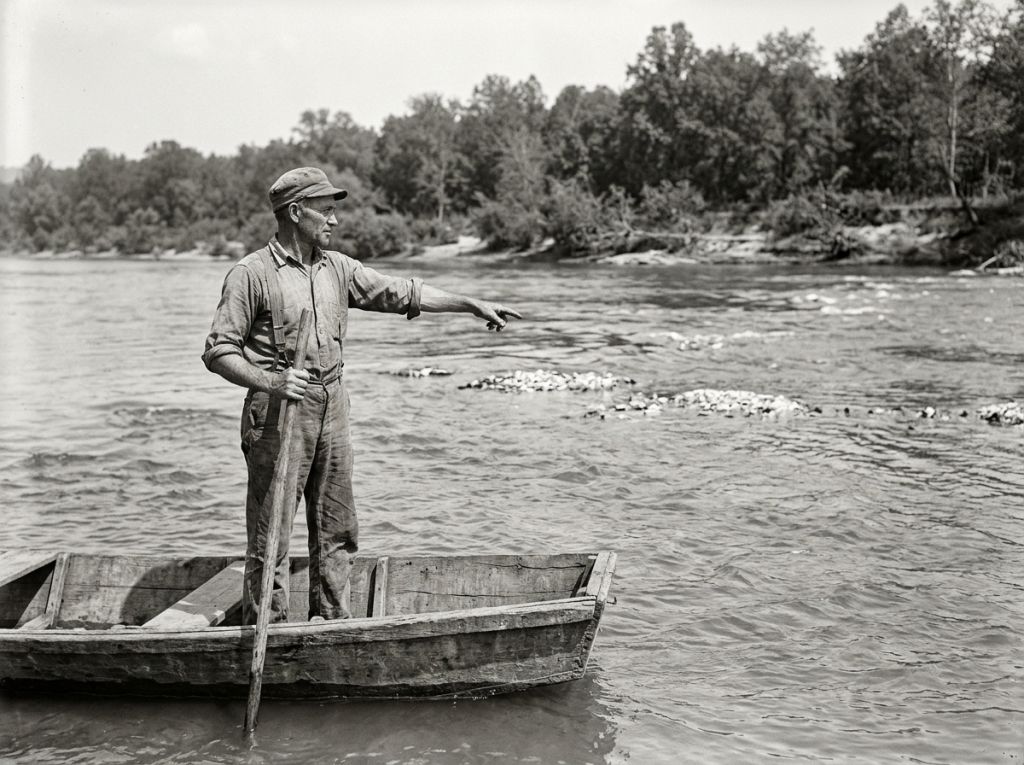
Odell Teague ran a skiff across the river below the shoals for thirty years, or so he said, and he had his own way of putting it. "Goddess is what you call her when you're being polite to the river," he told a boy once. "Sprite is what you call her when you're scared of it." He kept both words in his mouth and used whichever the weather suggested.
Her lover has a name that sounds like a job: the Prince of the Air. Not a wind, not a ghost. A prince, who sighs in breezes and rages in storms. Odell said you could read his mood off the rope on the landing post. Slack and swaying meant sighing. Snapping against the wood meant you should already be on the other side.
The telling came down credited to the Cherokee, adapted by Mrs. Emmett O'Neal, and Odell never heard of her. He had it from a woman who ran the landing before him, and she had it from somebody else.
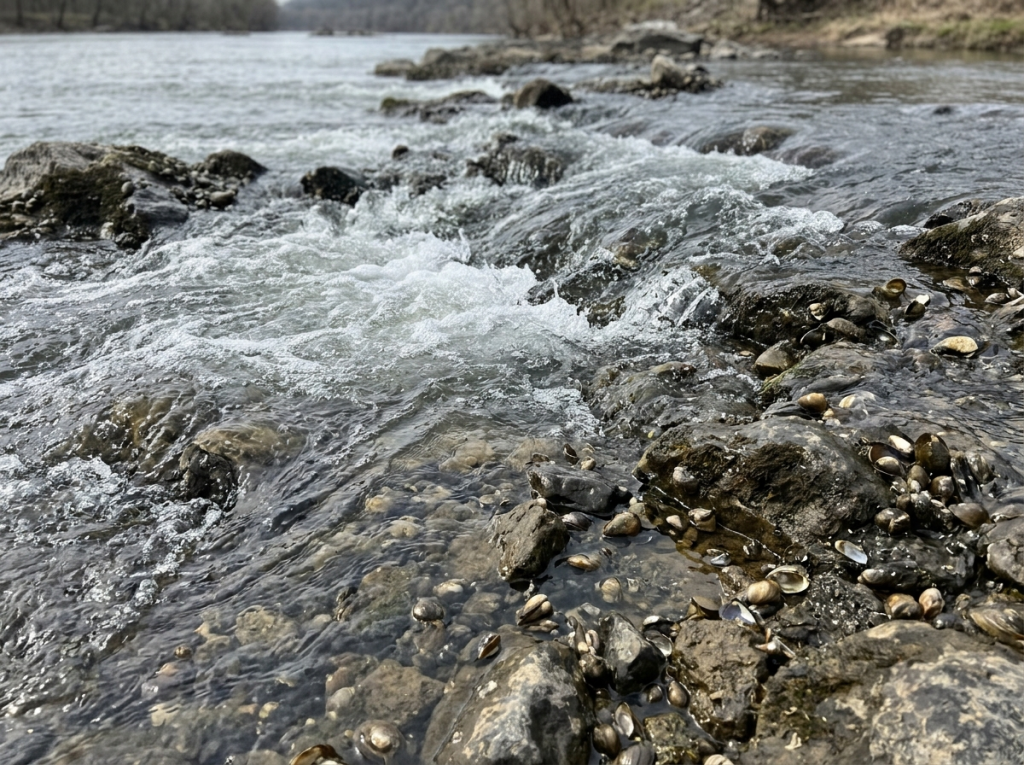
The shells were the part he would not let a passenger skip. He would swing his pole at the pale heaps showing through the current. "There's your fish," he said. "And she's under all that, listening to every boat that goes over."
A salesman once asked him if she minded the boats. Odell took his time answering. "Never heard her say."
3 How She Is Described
Ask what she looked like and you get one word. A woman I'll call Ruth Ann Cobb hung wash on a line above that bank for forty years, and when a cousin from Memphis asked her, she took a clothespin out of her mouth and said, "Beautiful." The cousin waited for hair or a dress or a voice. Ruth Ann put the clothespin back and reached for the next sheet.
What she could tell you about was the Prince. "When he sighs, the sheets lift and settle, lift and settle, like somebody breathing in their sleep," she said. "When he's raging, you've got about four minutes to get them in before the line goes."
She had stood in the yard after one of those storms with a basket of wet linen and the river still roaring below, and she said the noise was so total you couldn't have heard a person shout from ten feet. "That's where she is," she said. "Down in that. You don't see her. You hear where she is."
Harlan's grandmother had said much the same. She pointed at the water, told him the lady was down there, and went back to shelling beans. A hundred yards of white water and rock were all the portrait anyone on that bank ever got, and nobody asked for more.
4 Where and When
Muscle Shoals, in Colbert County, on the Tennessee, where the river runs roughest and the shells are heaped.
She has been held since the world began, which makes her older than the county and the state and every house along the bank. Nobody on the bank tried to put a year to the day she went under, and nobody expected a day she would come out. The Prince is still sighing.
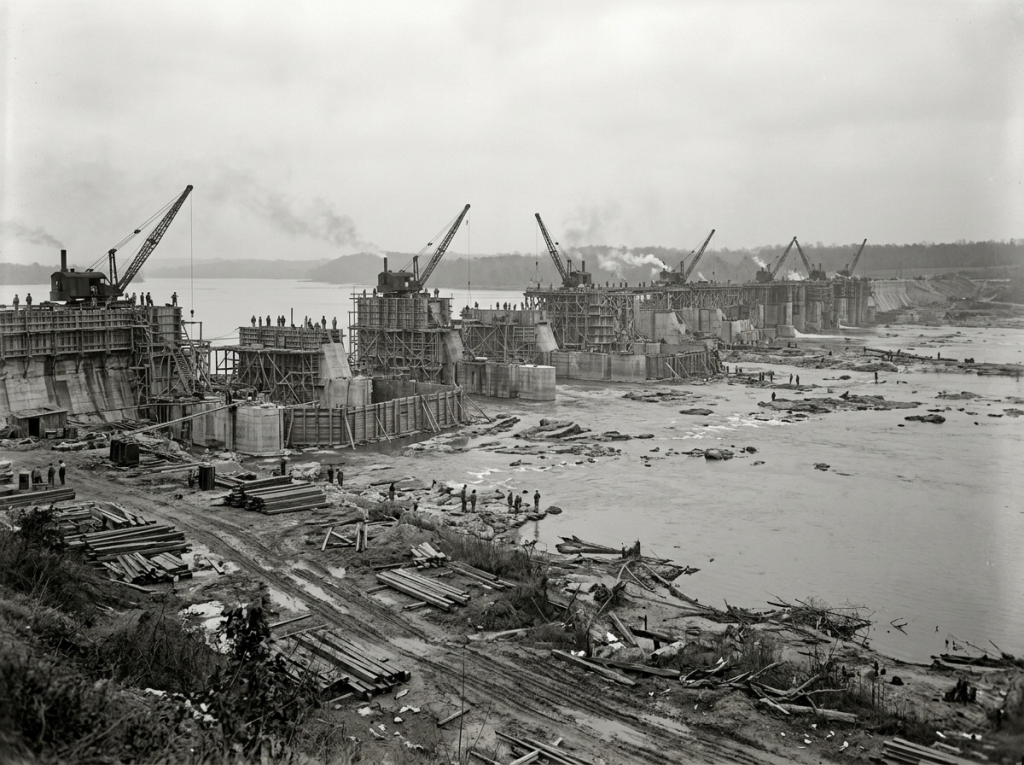
One date does sit in recent memory. Writers of the dam-building era read the legend as a prophecy of the canal and Wilson Dam that tamed the shoals. A great magician was to free the lady, and the concrete going up looked, to them, a good deal like his work.
A man I'll call Wendell Hiatt worked a form crew on the dam in those years. He remembered the week the forms went up along the rock, the noise of the saws, the smell of wet cement, and a handful of men who would stop at the edge of the water at noon with their sandwiches and not say much. "Nobody said a word about her," he said. "But a few of us looked at that shell a long time, and nobody ever put his boot on the biggest heap."
The hour that suits her is whatever hour the river has. For the Prince, wait on a still evening for the sigh, or a hard afternoon for the rage.
5 What She Does
She stays put. A prisoner held since the world began is not out making trouble, and nothing has been taken from a farm or a boat on her account. The doing in the legend belongs to the Prince.
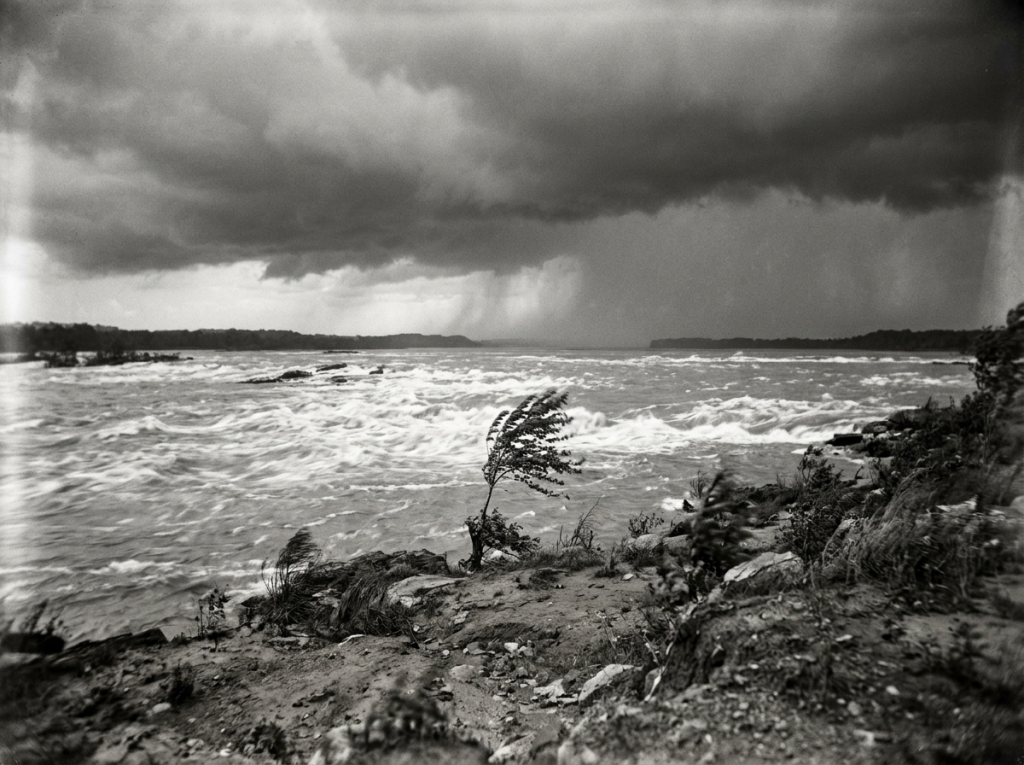
When he sighs, there are breezes. When he rages, there are storms. Odell Teague had been caught out in one, midriver, with a load of cotton sacks and a preacher. The sky had gone the color of an old bruise before the first drop fell, and the cold came across the water ahead of the rain like a hand.
"Preacher asked me should he pray," Odell said. "I told him go ahead, but to make it a short one, because the fellow up there wasn't mad at us. He was just mad." They made the Colbert side with water over the floorboards and the sacks ruined. Odell never blamed the weather for it, only the timing.
The freeing is the other thing, and it is done for her, not by her. A great magician is to release her, and the two are reunited, and the valley gets peace and plenty. The telling gives him no name and no day.
The only animals in it are the mussels. Those magic fish did their work long ago, and what is left of them is the shoals.
Odell took the preacher's hat home to dry, the way he told it, and the man came for it the next Sunday and did not mention the crossing.
6 Telling Her Apart
Nobody ever described her out of the water, so there is nothing on a road to mistake for her. A deer on the bank is a deer. A shape at the edge of the headlights at night belongs to some other tale.
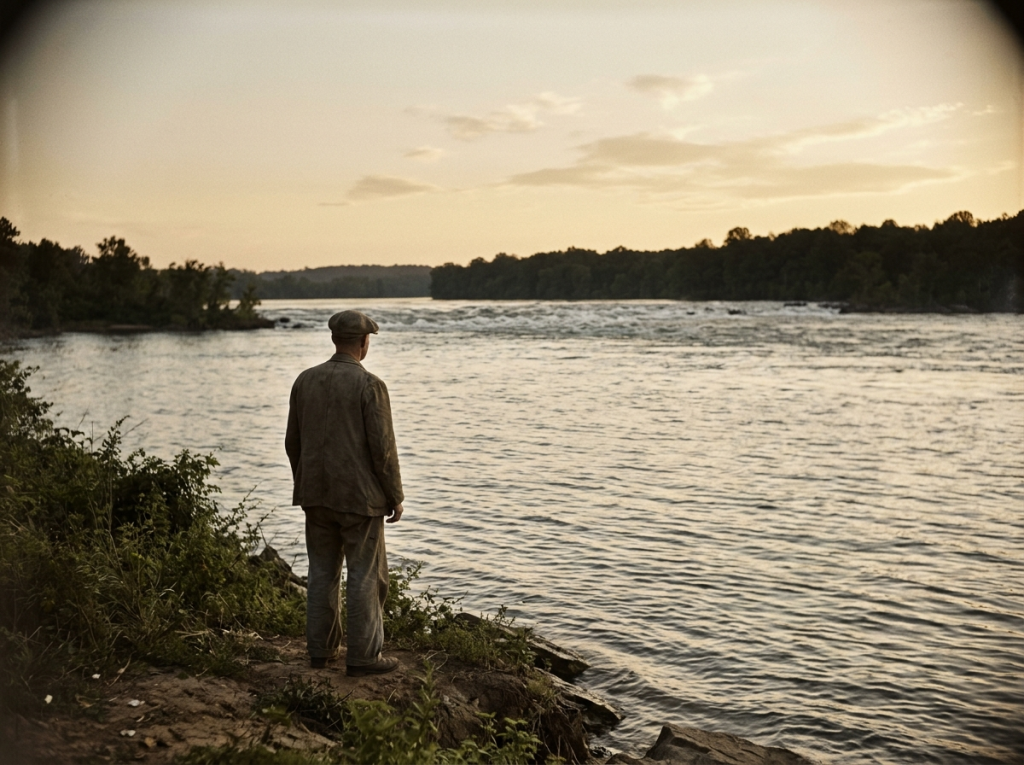
What people took for her lover was weather. A breeze on a still evening off the Tennessee could just be a breeze, or it could be the Prince sighing, and on that bank both were allowed. Ruth Ann Cobb put it her own way. "I never once thought it was only wind," she said. "I never once went looking for a face in it, either."
Her grandson, home from the army, once teased her about it while she stood pinning a pillowcase against a gust. She told him to hold the other end. The breeze dropped as soon as he did, and the case hung straight and still between them. Neither of them said a thing. Ruth Ann just nodded at the river as if she had been proven right in some small matter.
A storm was the same, weather to a farmer and rage to anyone who knew the telling. An ordinary river and an ordinary wind would do. Nobody went looking for more.
The shoals were the surer mark. A heap of shell and white water at Muscle Shoals is where the tale is set, and a person could stand quiet on the bank there for a minute without anyone thinking him foolish.
7 How the Stories Meet
There is a second water-spirit legend of the Shoals, and it shares the same stretch of river. Old hands on the bank spoke of the two together, the way you speak of two families on one road.
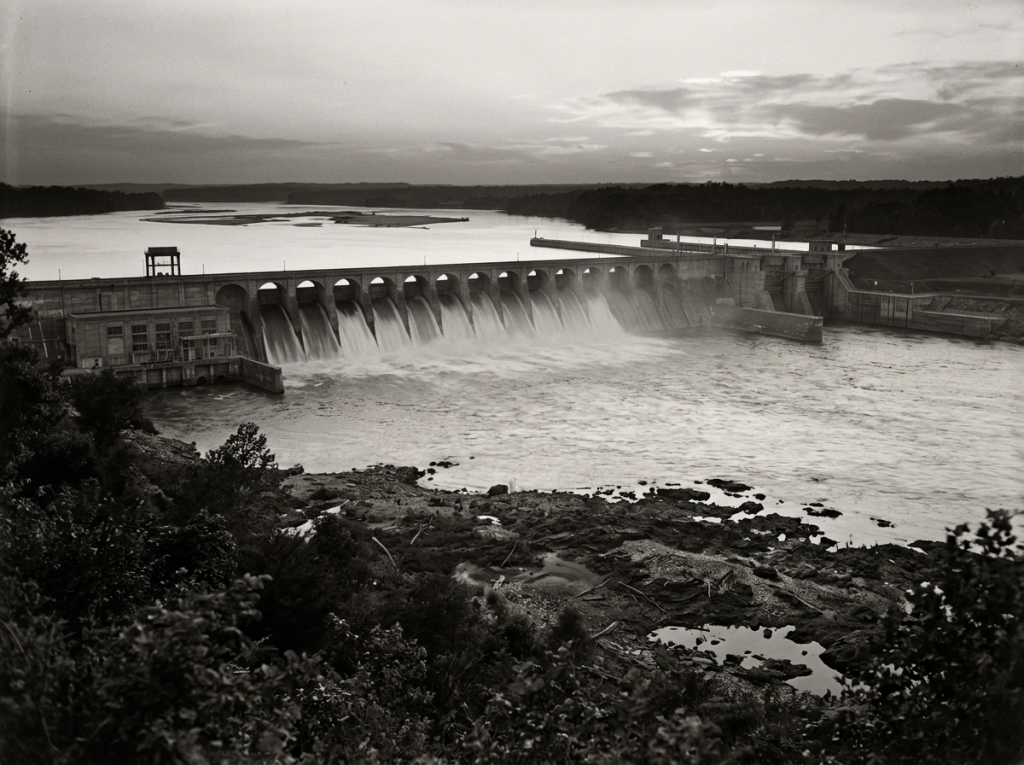
The lady's tale ties to the rest through the shoals. They are shell, the water goes over them loudly, and a lady is beneath. Any teller could point at that much. The Prince ties it to the sky, which anybody could check on an evening.
The last tie is the dam. Writers of the dam-building era took the old legend and read it as a forecast, with the canal and Wilson Dam as the magician's work. Wendell Hiatt had his own opinion. "Magician never wore boots like ours," he said, "and I know who poured the concrete."
Still, he kept a shell from the shoals on the dash of his truck for years. It was pale as a tooth, and he would never say why he had it. On windy evenings, with the windows down, it rattled a little against the glass, and Wendell would reach over and settle it with one finger, the way you would quiet someone sleeping.
Sources
Field Guide is drawn from the legends as they are recorded. Its first-hand account is imagined. Its pictures are imagined scenes.