
Smith Lake Alligator is a figure of Alabama folklore.
Where it is told
Field Guide
The Smith Lake Alligator
A young gator turned up near Duncan Bridge in April 2017, and a lake with no business holding one has been talking about it since.
How to know it
- Size
- A young animal, by the state officer's judgment, and nothing in the tellings says it was big.
- Where
- Smith Lake, near Duncan Bridge at Crane Hill in Cullman County, Alabama.
- When
- April 2017, when the photographs went up on Facebook.
- Habits
- It was caught in the water near the bridge, and fishermen and neighbours have wondered since what else swims there.
- Mistaken for
- A South American caiman, which is what many people called it first.
- Also taken for
- A hoax, which was the other early guess.
- Seen by
- Fishing guide Rex Chambers, who shared a photograph and said he had seen the animal himself.
- Seen by
- A Winston County resident, who posted a second picture.
- Origin
- Most likely a released pet, since the state never stocked the lake.
- Law
- Keeping an alligator in Alabama is a felony, as the conservation officer reminded everyone.
1 Duncan Bridge, Crane Hill
Smith Lake has no likely way to get an alligator, and the state never put one there. So when photographs of a gator near Duncan Bridge started going around on Facebook in April of 2017, the first thing most people did was laugh.
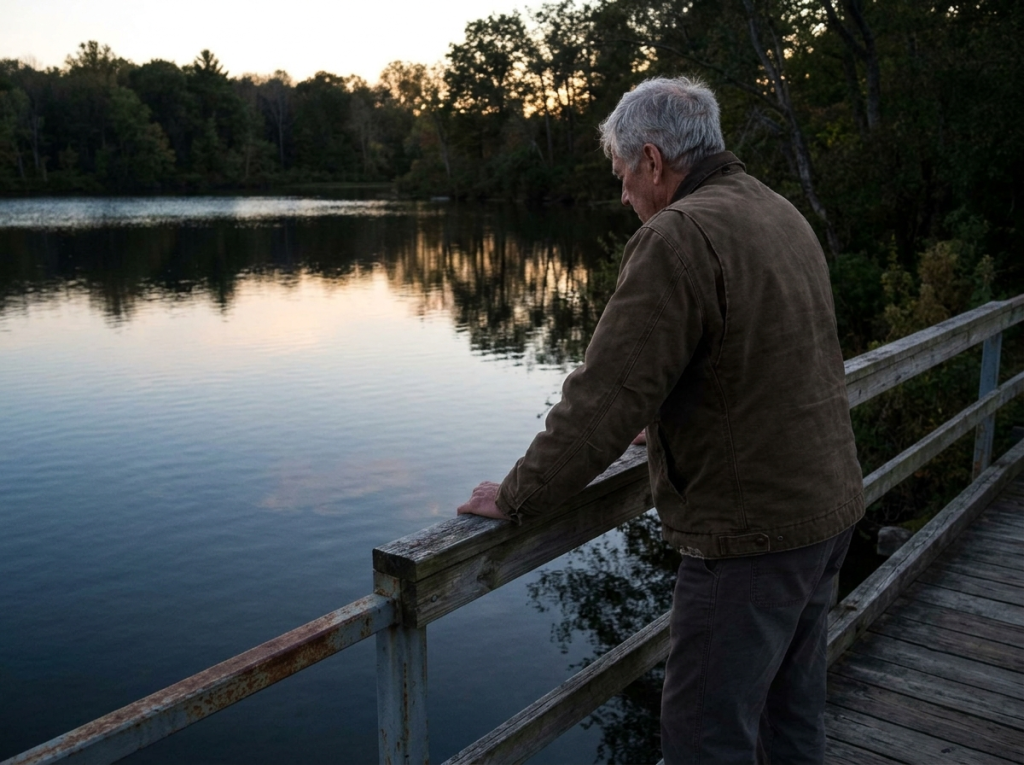
Dale Pruitt laughed along with the rest, standing at the boat ramp with his trailer half in the water. It was evening. The air smelled of exhaust and wet rope, and somebody's winch was ticking away behind him. A neighbor held a phone out across a tailgate. Dale looked at it, said that was some other lake, some other year, and went back to his straps. The bridge was a short drive from where he stood. He knew that too.
Then Rex Chambers put one of the pictures up himself. He guides fishermen on that water, and he said he had seen the animal. A Winston County resident posted a second photograph not long after. The laughing at the ramp got thinner. The next week Dale backed his trailer down and caught himself watching the bank.
2 What folks call it
Mostly they say gator. Sometimes alligator, when they want to be plain about it. On paper it gets called the Smith Lake Alligator, which is only the lake and the animal set side by side.

The other names were arguments. Hoax came first. Somebody had doctored a photograph, the thinking went, and a lot of people were glad to be the one who said so. Caiman came next, from people who looked at the animal and thought of South America, of the smaller cousins that turn up in pet shops and sometimes in the news.
You can see how it went. A kitchen table in Crane Hill, a laptop open next to the coffee, one person typing hoax and another typing caiman, and a third waiting on a cousin to settle it. Nobody at that table had been to the bridge with a flashlight, so it went on until the coffee ran out.
It was a gator, or a caiman, or somebody's idea of a joke. People said so at the ramp and over supper, and they kept saying it after the pictures stopped coming.
3 What the photographs showed
The photographs showed a young alligator in the water near Duncan Bridge. So said the state conservation officer who studied them. It looked small, and it looked like it belonged to nobody.

Rex Chambers shared one of them. He added that he had seen the animal himself, which is a different thing from passing along something a cousin sent. A resident of Winston County posted the other. The two pictures reached people from two directions, and between them they were harder to wave off than either would have been alone.
The officer had more to say than what he saw. The state never stocked Smith Lake, so if the animal was an alligator, somebody had put it there. A released pet was the likeliest answer. Then he reminded readers of the part that made people go quiet: keeping an alligator in Alabama is a felony.
Whoever let it go has never been named. Maybe it had been small enough to carry in two hands, and then it wasn't, and the law said what it said. That person would not be walking up to the ramp to say so.
4 Where it turns up
Duncan Bridge, on Smith Lake, at Crane Hill, in Cullman County. That is the one place the story is pinned, and it was in the water there that the animal was caught on camera.

The month was April, and April matters on that water. The boats come out of the sheds, the trailers back down the ramps, and everybody takes a first long look at the banks after winter. The light is low and the shadows are long.
Run a boat along a shaded bank some early morning and you will see how it works. The bow slides past the roots, a dark shape sits at the waterline, and for half a second the eye makes a head of it. Then the boat gets closer and the shape comes apart. After April of 2017, folks on Smith Lake say, that half second ran a little longer than it used to.
The pictures showed one animal in one spot. What they could not say is what else might be out there in the coves where nobody has a camera, and that is the part that stayed.
5 Telling it from the rest
Nobody mistook it for a deer or a dog, or for a man standing in the dark. It was an animal in the water, in a photograph, and that is a different sort of sighting from a shape at the edge of a headlight.
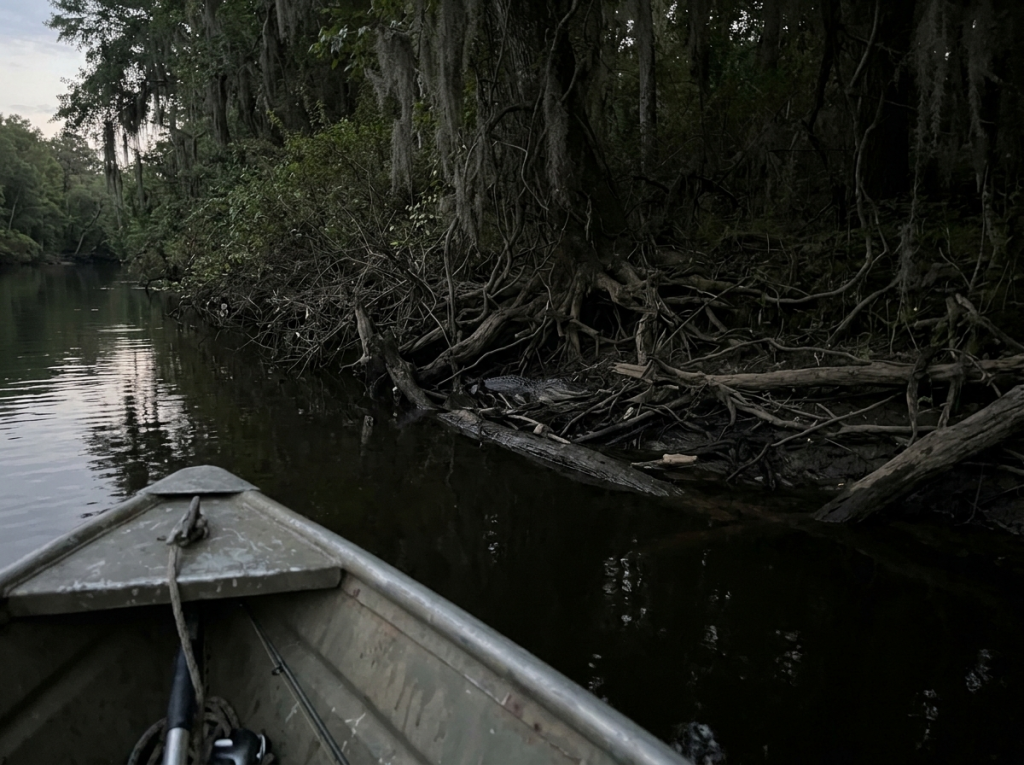
What people took it for were things nearer its own kind. A hoax, first, a doctored picture with no animal behind it at all. A caiman, second, the sort of animal a person might keep, and one that sounded a shade more reasonable to some ears than an alligator in a north Alabama lake. Then the conservation officer looked at the photographs and said it did look like a young alligator.
It took no calf off the bank. It took no dog and no man's catch. It sat in the water near the bridge, young and small, and nobody has said more about it than that. A story with blood in it belongs to some other animal.
The rest is a matter of how it got there. Smith Lake has no likely way in for an alligator, and the state never stocked it. A gator there did not wander up out of a creek. Somebody carried it in.
6 How the stories hang together
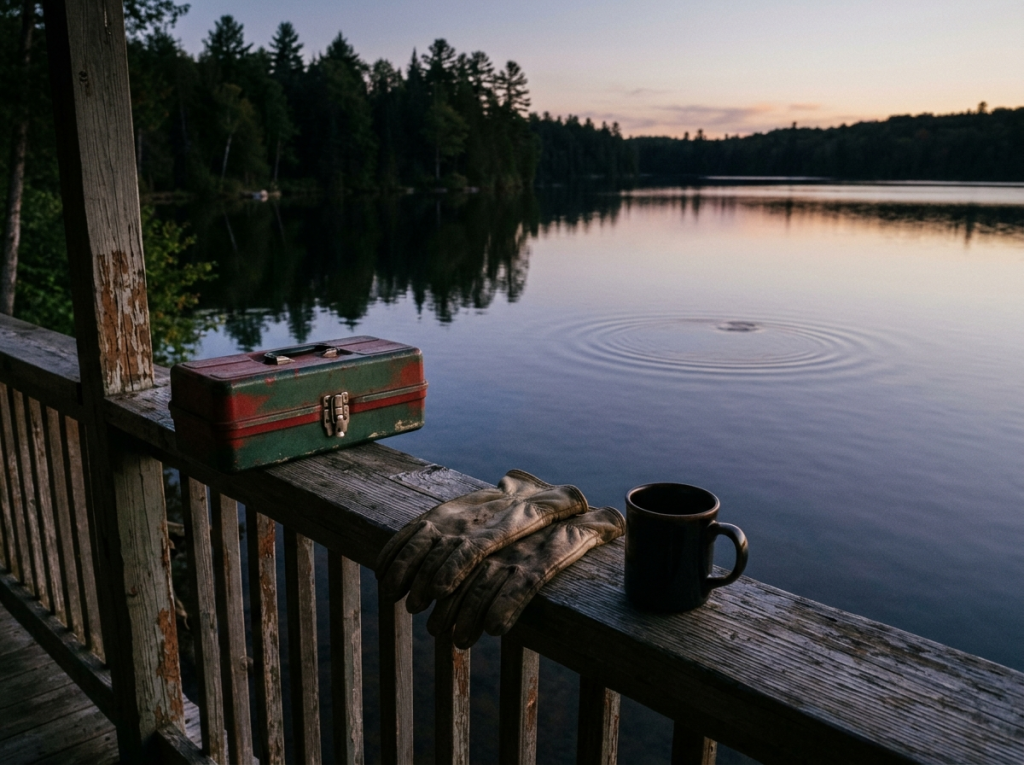
Think of it as a porch at evening, with a few men and a thermos and the lake going gray beyond the rail. One says the picture was fake. Another says he has seen what a caiman looks like. A third says a guide on the lake put his own name to it and said he saw the thing. The talk goes round and ends where it started, which is the water.
Somebody once had a young gator and then didn't. Maybe it grew too big for wherever it lived, or maybe the law caught up with the idea of it. Whoever it was drove to a lake with no gators in it and let it go at the edge of the water, near a bridge, and left. That person has no name in any of it, and the felony is a good reason why.
The animal got a name from the lake, a photograph from two people, and a verdict from the state officer. All that was left for everyone else was to wonder. They still do, at the ramp in April and from the porch at dusk, every time the light goes flat on the cove.
Sources
Field Guide is drawn from the legends as they are recorded. Its first-hand account is imagined. Its pictures are imagined scenes.