
Tie-Snake is a figure of Alabama folklore.
Where it is told
Field Guide
The Tie-Snake of the Chattahoochee Bend
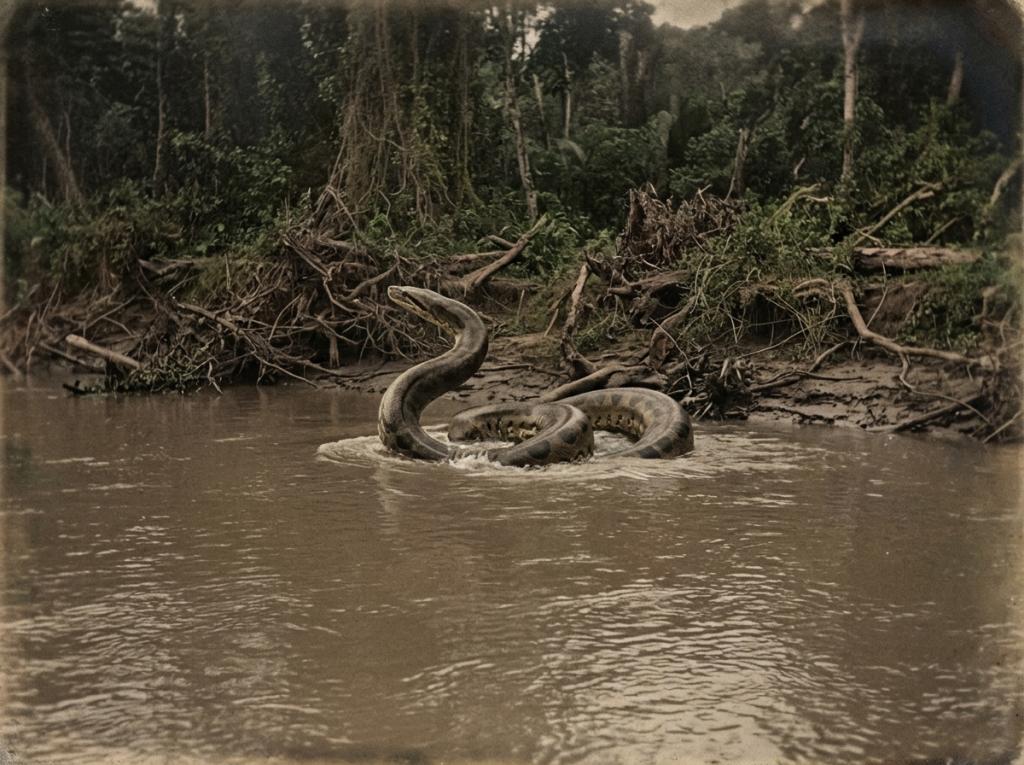
A giant snake that the Creeks said held one stretch of the river at Phenix City, Alabama, and pulled the careless down into the water.
How to know it
- Size
- Giant, and that is all the old stories commit to; no length is given.
- Where
- A stretch of the Chattahoochee River at Phenix City, Alabama.
- Where
- The Alabama bank, in Russell County.
- When
- In the old Creek stories, handed down well before anyone set up a marker for it.
- Habits
- It snared people who were careless around the water.
- Habits
- It is a river animal that lives in the river; the stories keep it there.
- Movement
- It dragged what it caught down, and did not let go at the surface.
- Where
- Its home is an underwater world, which the people it took were pulled into.
1 Phenix City, Alabama, Riverbank
My uncle Dell took me down to the Alabama bank at Phenix City when I was twelve. He had a cane pole, a bucket of chicken livers and a folding stool that sank into the mud. The Chattahoochee ran brown and slow in front of us, and he said catfish liked it that way.
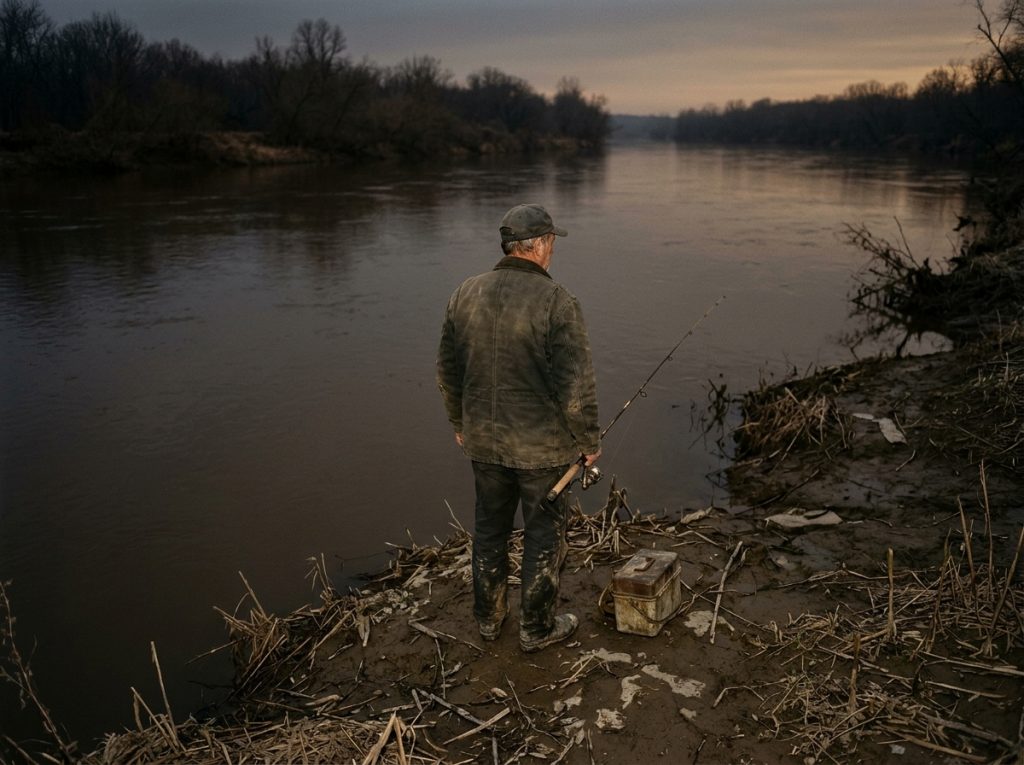
Around four o'clock my line went tight and the rod bent toward the water. It wasn't a nibble. Something took the line and kept going, steady, like a hand closing. I dug my heels in and the mud gave way under them. Dell caught me by the belt and said, "Let it go, Roy." I let go. The pole slid in, rode out into the current a few feet and vanished.
We stood there. The water where it went down smoothed over and the river looked the way it had all afternoon. Dell stared at it a good while and then said, quietly, "Tie-Snake." He laughed a second later, and he didn't laugh well.
I didn't see anything. I want to be plain about that. I saw a pole go in and a brown river close over it.
Years later I found the historical marker on that same bank. The Historic Chattahoochee Commission and the local chamber of commerce put it up in 2004. It says the Creeks believed a giant Tie-Snake lived in this stretch of the river, that it snared careless people and dragged them down to an underwater world. I read it twice, and then I stepped back from the edge.
2 What They Call It
Tie-Snake. The first word is the one that matters. It ties.
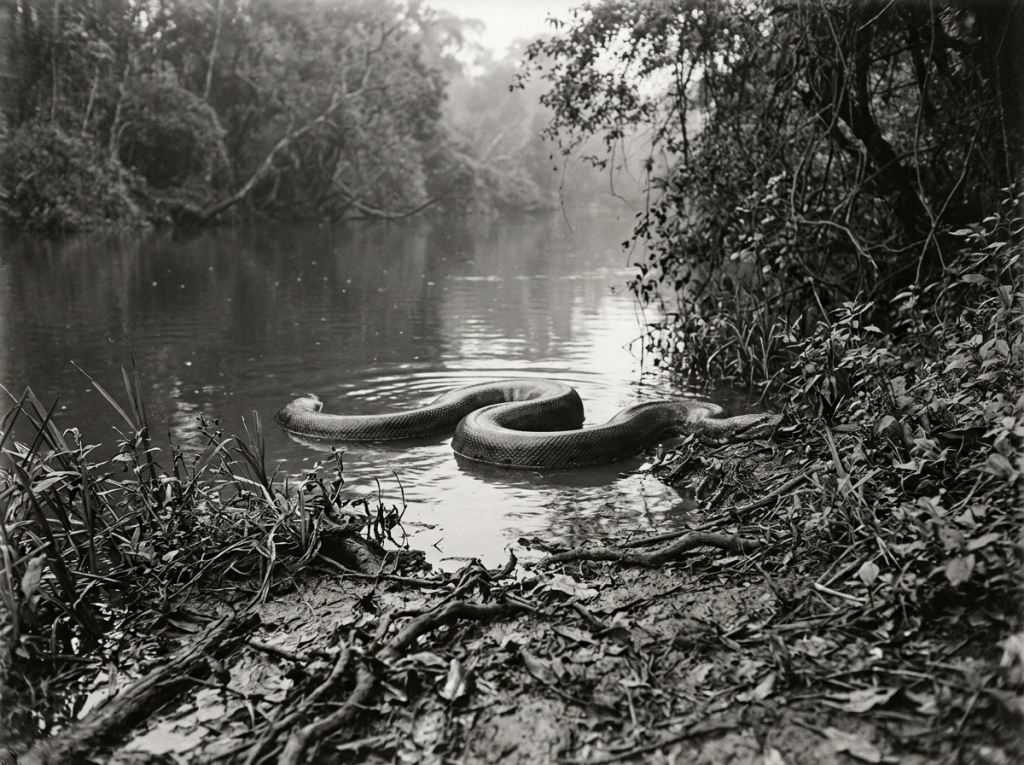
The Creeks gave the name to the snake in the Chattahoochee, and the marker at Phenix City repeats it. The legend on file is called "The Tie-Snake of the Chattahoochee." It is short. A giant snake, a stretch of river, careless people, an underwater world. Someone could tell it in a breath.
Plenty of names for river monsters talk about size or age or where they were last seen. This one talks about what the snake does to a person. In the telling, it snares the careless and drags them down, and the name is the first half of that.
The marker puts the word Creek right up front. The belief belonged to the people who lived along the river, and the Commission and the chamber of commerce wrote it down because it was already part of the region's stories. They didn't make it up for a sign. They set it on the bank where the stories said it happened.
My uncle never read the marker. He had the name from his own grandfather, and he said it the same way the sign spells it. A man at the bait shop on Broad Street said it the same way too, flat, like the name of a road. Nobody I asked tried to dress it up.
3 What Witnesses Say
I asked around, after the marker. I wanted to know who had seen it.
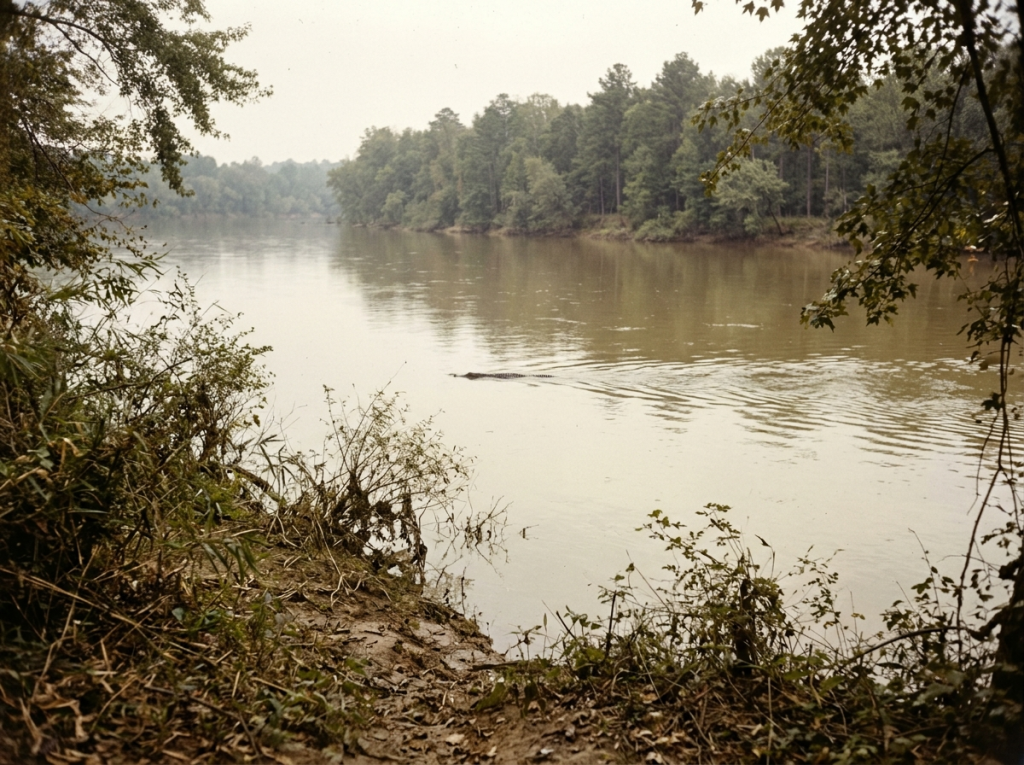
Mostly I got the same answer I would have given. A woman fishing below the bridge said she had seen the river do things. A boy on a bike said his cousin had seen something, and when I asked the cousin, he said he had seen a log. An old man with a thermos told me the snake was a story to keep children off the bank, and then he told me not to go in past my knees.
That fits what the marker holds onto. The stories say giant. They give no length, so I won't make one up. They give no color and no description of a head. What they hold onto is what happened to people. The snake snared them. It dragged them down. They went into an underwater world.
Size comes through anyway. A snake that can snare a grown person and pull the person under has to be giant, and the story says giant and stops there.
When my uncle said the name that afternoon, he wasn't describing anything. He was telling me what had just happened to the pole, and what could happen to me. He kept one hand on my belt the whole way back up the bank.
4 Where It Turns Up
The marker stands on the Alabama side of the Chattahoochee at Phenix City, in Russell County. It recalls the Creek belief that a giant Tie-Snake lived in this stretch of the river. That is the only place the telling puts it.
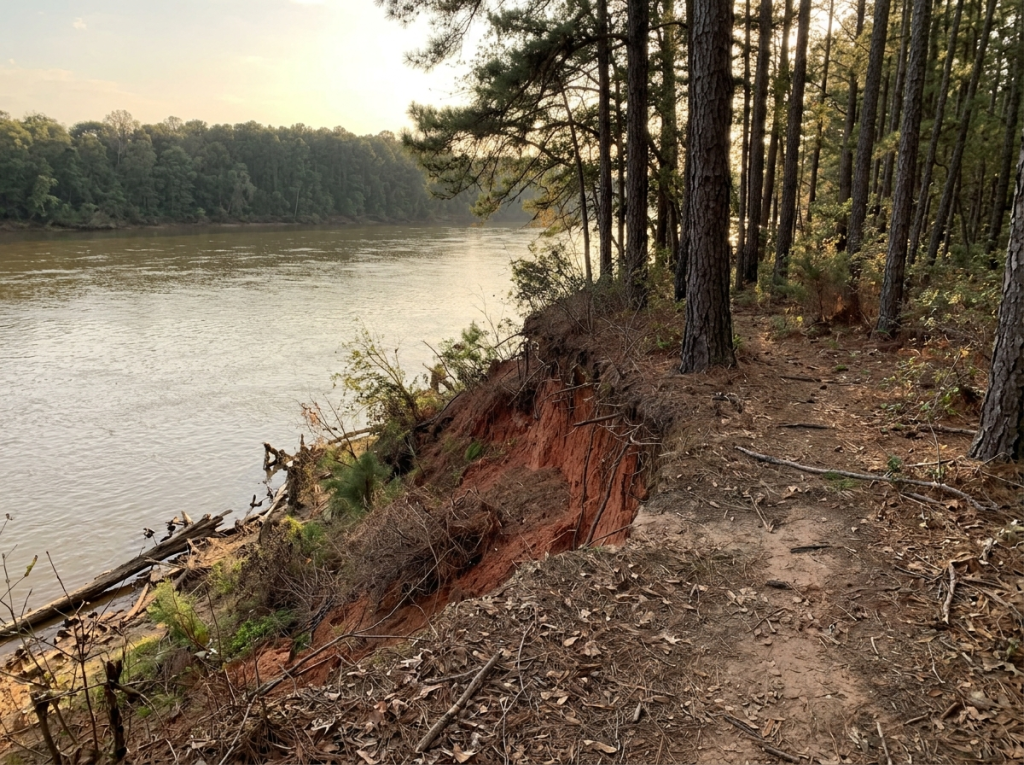
The stretch isn't long. You can walk the path above it in an afternoon, with red clay showing under the pines on one side and the wide water going by on the other. The marker doesn't say how far the snake ranged or where it went when the river rose. It says this stretch, in the old Creek stories, and leaves the rest alone.
It also doesn't say when. The marker went up in 2004, but the belief is much older than the sign, handed down well before anyone had a reason to cast it in metal. I can't tell you whether it was a summer snake or a flood snake or a snake for any hour. The record doesn't say, and I stopped asking.
Other places are tied to it through the people who passed it on. LaGrange, Georgia, is one. W. O. Tuggle, a lawyer there, wrote down many Creek tales of the region in the late 1800s, and the marker places the Tie-Snake among them. So the snake is in the river, where the Creeks put it, and it is in the pages a LaGrange lawyer filled.
Between the two is the bank at Phenix City, with the marker on it and the brown water moving behind.
5 Telling It From Other Things
Say you are on the bank near dusk and something moves out on the water. A swell rolls toward you. A dark shape rides the current.
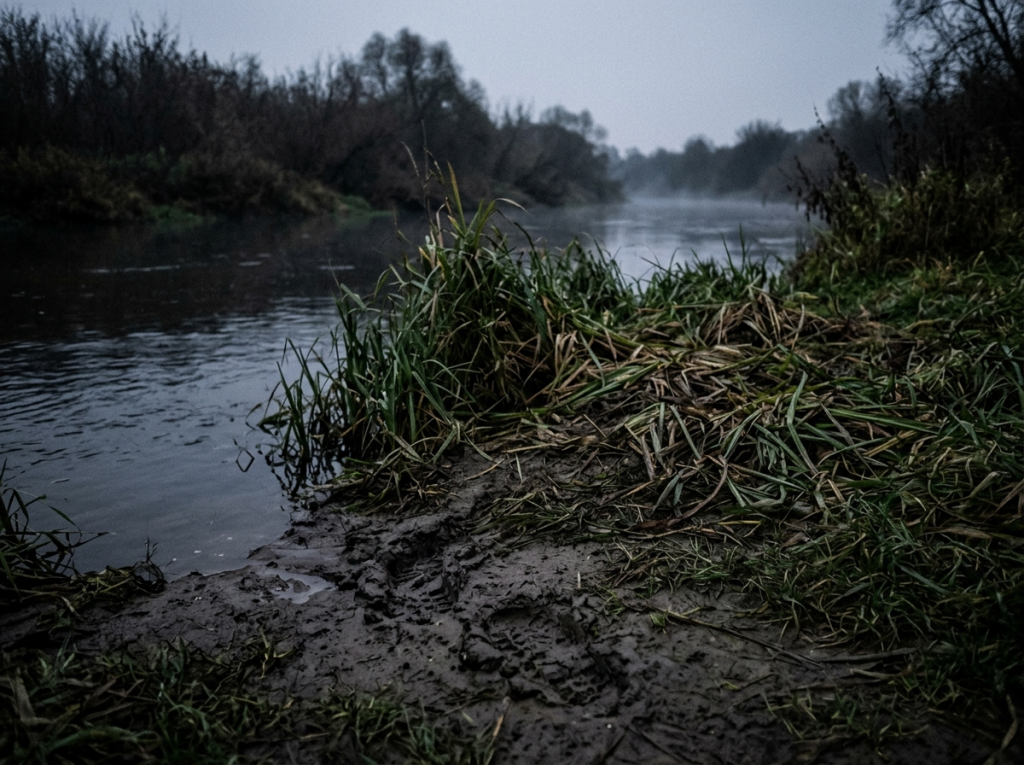
Most of the time it is a log. Logs drift in the Chattahoochee, and an old one can roll over slowly enough to look alive. Sometimes it is a fish coming up, or a boat wake arriving late from somewhere upstream. The river has plenty of ways to move without anyone in it.
The old stories don't judge by markings. They judge by what the thing does. The Tie-Snake is giant, and it snares people who are careless around the water and drags them down to an underwater world. If a thing in the river is not doing that, it is not the Tie-Snake.
If it is doing that, if something huge has wrapped a person and is hauling the person toward the water, I doubt anyone on the bank stops to wonder about logs.
I think of my pole that afternoon. Something took it and didn't let go at the surface. Dell said the name, and I haven't been able to put a better one on it. A snag under the water could have held the line. A big catfish could have run with it. I know that. My hands remember it the other way.
6 How the Pieces Fit
There is one legend on the file, and it passes through several hands.
The first is the river. The belief is about the Chattahoochee at Phenix City, and the Creeks who held it lived along that water. The second is the pen. W. O. Tuggle, the LaGrange lawyer, wrote down many Creek tales of the region in the late 1800s, and the marker puts the Tie-Snake among them.
The third is the Uncle Remus stories. Those Creek tales later influenced Joel Chandler Harris's Uncle Remus stories, which many Americans heard as children without knowing where they came from. A snake belief on the Alabama bank sits in the same family as those tales.
The fourth is the marker, put up in 2004 by the Historic Chattahoochee Commission and the local chamber of commerce. It carries the story back to the bank. I went again last spring and read it once more. A man was fishing a little way down, with a cane pole and a bucket. I watched his line for a while. It sat still on the brown water, and I kept a pace back from the edge.
Sources
Field Guide is drawn from the legends as they are recorded. Its first-hand account is imagined. Its pictures are imagined scenes.